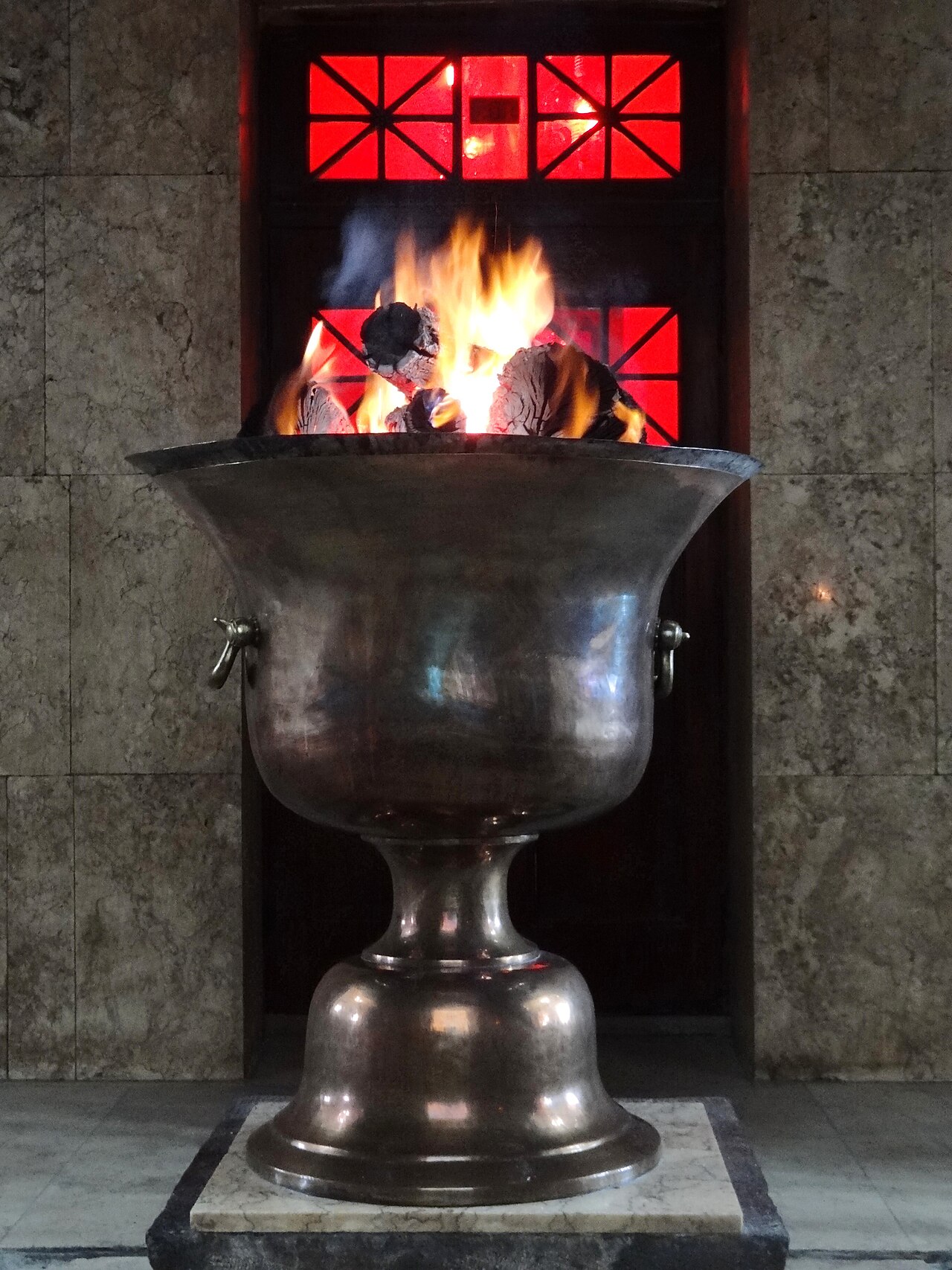
Zoroastrian veneration of fire began in an Indo-Iranian cult of the , where the flame was the visible embodiment of the divinity Atar. A household fire is simply lit and then never allowed to go out. A great temple fire is not lit at all in the ordinary sense.
Embers from many fires, repeatedly purified. By a tradition first recorded in post-Sasanian times, such a fire is created from embers taken from many fires, lightning fire included, purified over and over before being combined and . It is then carried in procession and installed in its sanctuary, escorted by priests carrying swords and maces.
Zoroastrian veneration of fire has its origin in an Indo-Iranian cult of the hearth fire, going back in all probability to Indo-European times. Providing warmth, light and comfort, the hearth fire was regarded as the visible embodiment of the divinity Atar, who lived among men as servant and master and received regular offerings in return.
Fire also carried judicial and cosmological weight. used it to establish innocence, which gave it an association with truth. Ancient Iranian cosmogonists regarded it as the seventh creation, forming the life-force within the other six and so animating the world.
The temple cult came later than people assume. Herodotus mentions the great veneration in which the Persians held fire, but does not single them out as fire-worshippers and knows of no temples among them. A Zoroastrian temple cult seems to have arrived only in the later Achaemenid period, probably as a counter-move to an image-cult of Anahit.
The highest grade of fire is assembled rather than lit. Embers come from many fires, including lightning fire, purified repeatedly, combined and consecrated, then carried in procession and . The escorting priests carry swords and maces, later hung on the sanctuary walls to symbolize the fire’s ceaseless fight against all that opposes truth.
wat. A fire with a pedigree, assembled from the embers of many others.
wat wat
The ritual turns an ordinary flame into something with a lineage, which is why the fire can be older than the building around it.
How do we know?
Mary Boyce assembles the philological and historical evidence for the Encyclopaedia Iranica, from Avestan vocabulary through Herodotus and Diodorus Siculus to Sasanian inscriptions.
What is still unknown
No information survives from the Achaemenid period itself about categories of sacred fires or how they were constituted.
Learn something?
Where to next
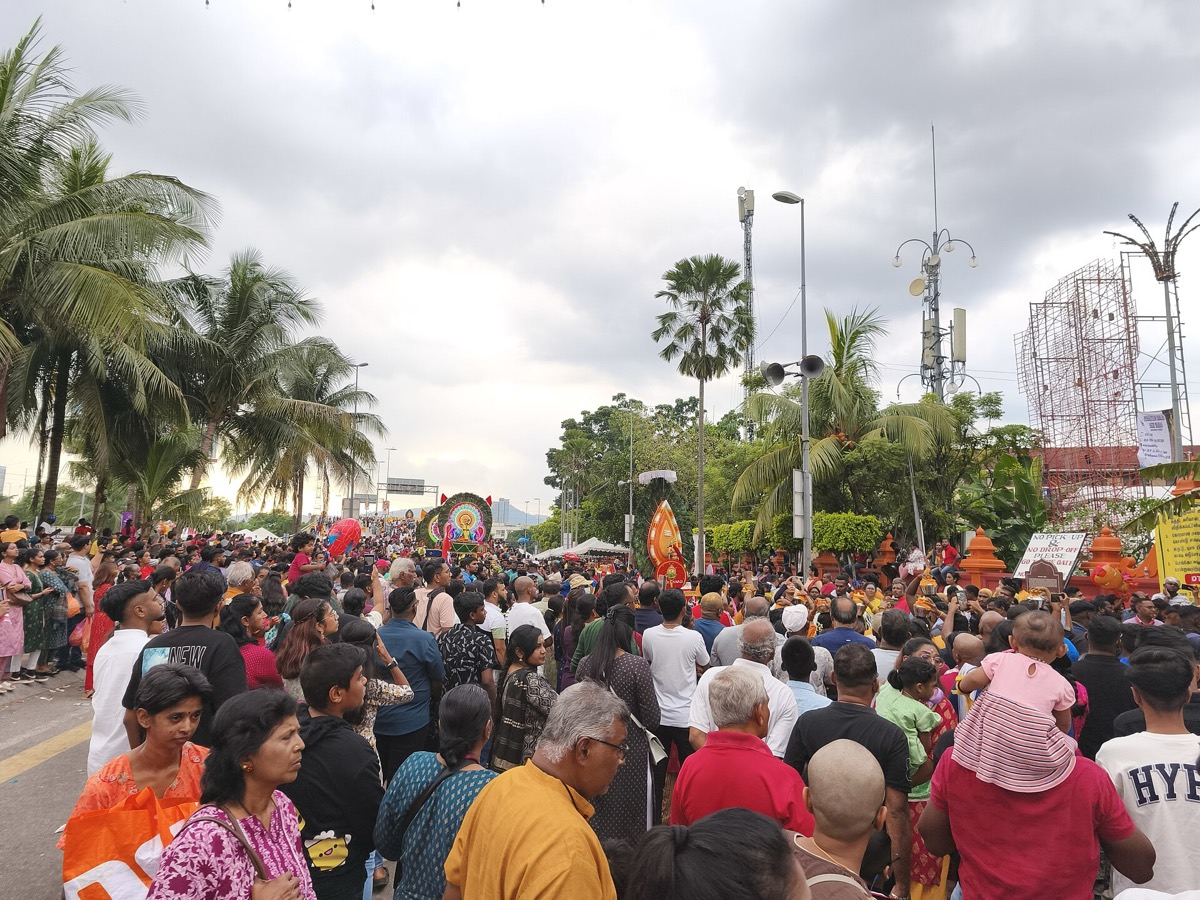 Can a painful ritual raise generosity toward a community?ritual
 Does walking in step actually make us cooperate?ritual
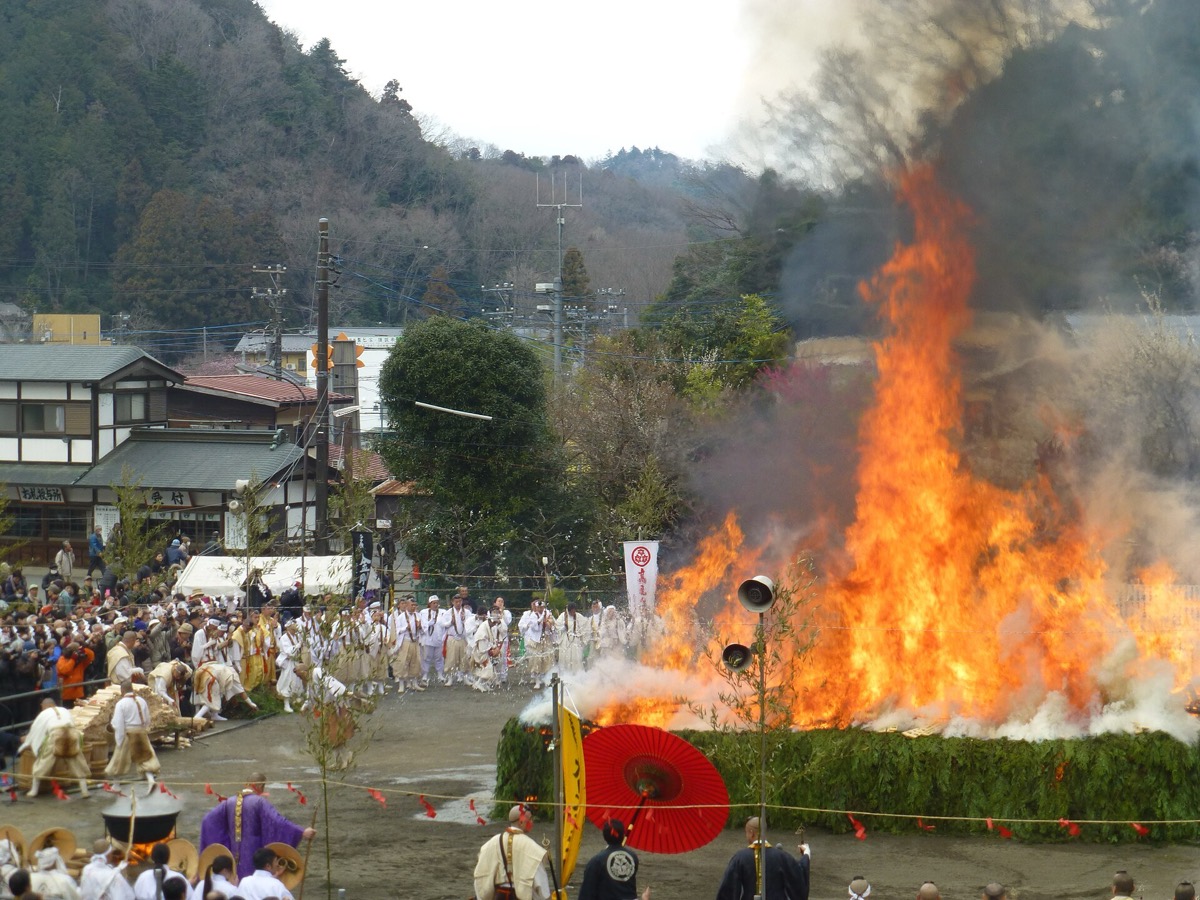 What happened to the pulse of the spectators at a firewalking ritual?ritual