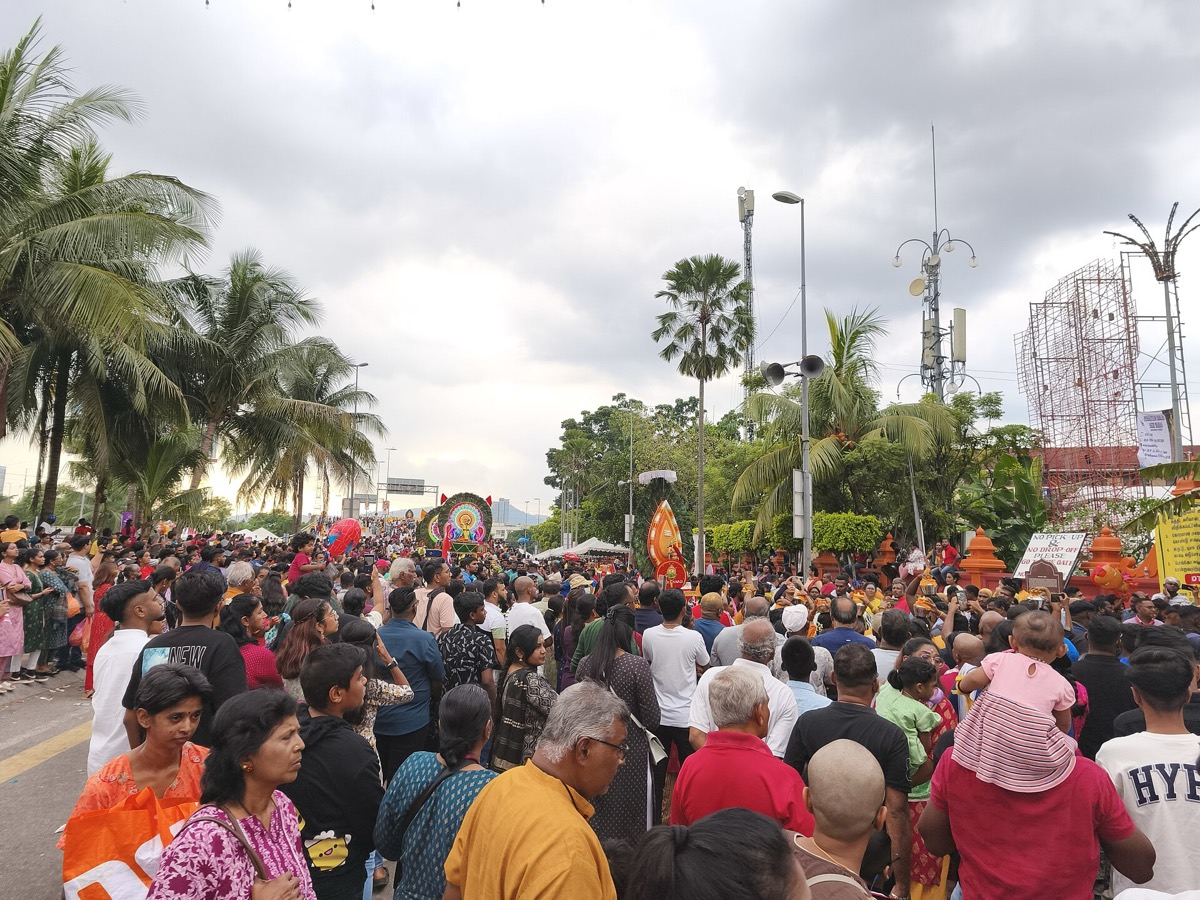
At the Thaipusam festival a mild ritual and a severe one, which involves piercing the body and carrying weights, run side by side. At the end participants were given money and decided for themselves how much to donate to the temple, and onlookers were asked too. What separated the groups?
The onlookers gave the most. Performers of the severe ritual donated about 133 rupees on average against 81 in the mild one, and gave 161. If the pain itself were the cause, the watchers should not have differed at all. Nobody was , so whoever chooses the painful ritual may be more committed to begin with.
Demanding rituals exist in nearly every culture. The question of why rests on an idea in the study of religion called : anyone can say they are committed, and only somebody genuinely committed will pay in pain.
The Thaipusam festival in Mauritius made it testable, because it holds : a mild version of prayer and singing, and a severe one involving piercing the body and carrying weights. At the end participants were given money and decided how much to donate to the temple.
Performers of the severe ritual donated about 133 rupees on average against 81 in the mild one. The surprising finding was in the third group: those who only watched the severe ritual gave the most, 161 rupees. If the pain were the cause, they should not have differed at all.
The qualification is decisive and worth holding alongside the finding. Nobody was assigned at random, so whoever chooses the painful ritual may well be more committed to begin with. Then the generosity is a sign of that commitment rather than a result of the ritual. In a real religious ritual there is no ethical way to draw lots, and that is the price of field work. A single donation right after an emotional event also does not measure lasting generosity.
wat. After the severe ritual both the performers and the onlookers gave more, and the choice to take part blocks a full causal conclusion.
wat wat
It suggests a costly, demanding ritual can turn an abstract commitment to a community into generous behavior measurable right after the event.
How do we know?
A field study with 86 people in three groups. The average donation was about 81 rupees in the mild ritual, 133 among performers of the severe one and 161 among its onlookers.
What is still unknown
Participants were not assigned at random, so people who chose the severe ritual may differ from the start. One donation does not show general, lasting generosity.
Learn something?
Where to next
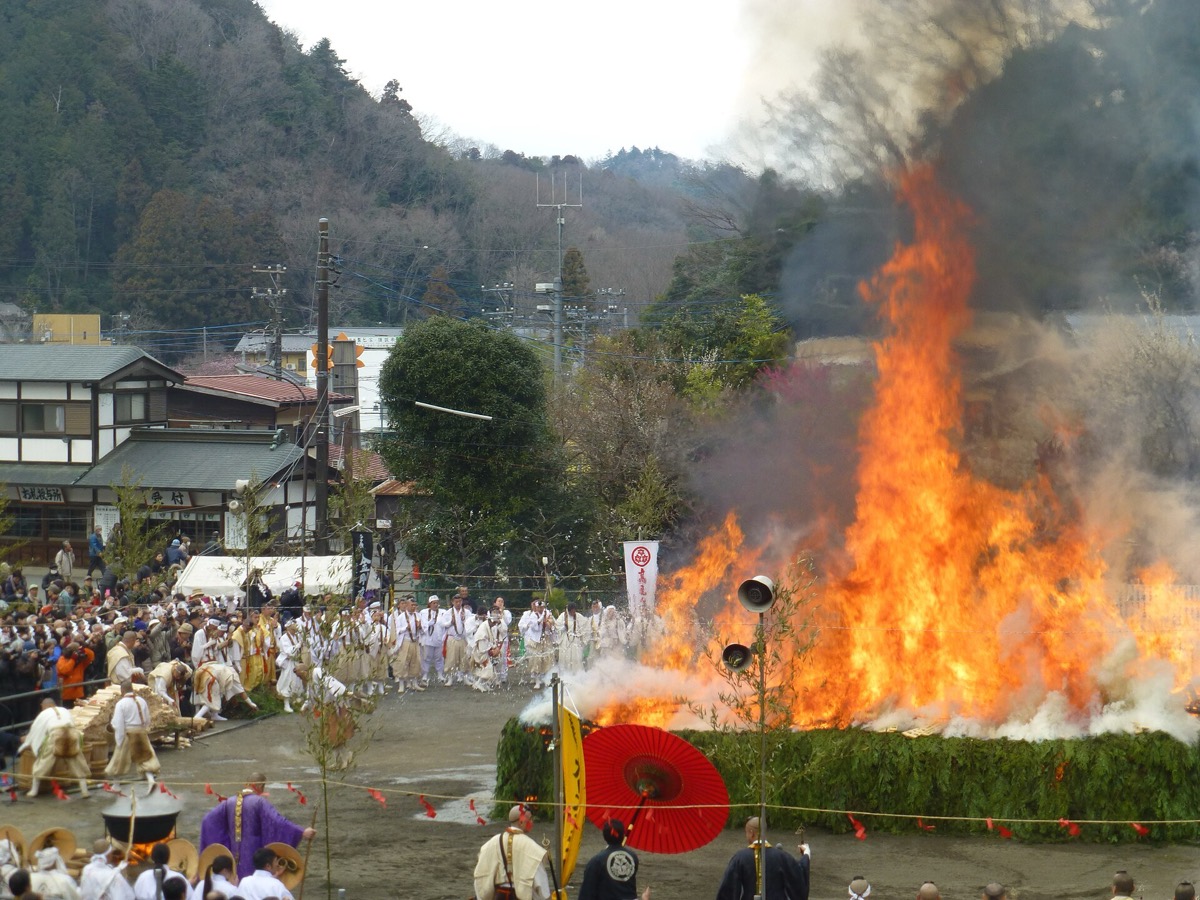 What happened to the pulse of the spectators at a firewalking ritual?ritualWhose heart keeps time with a fire-walker?ritual
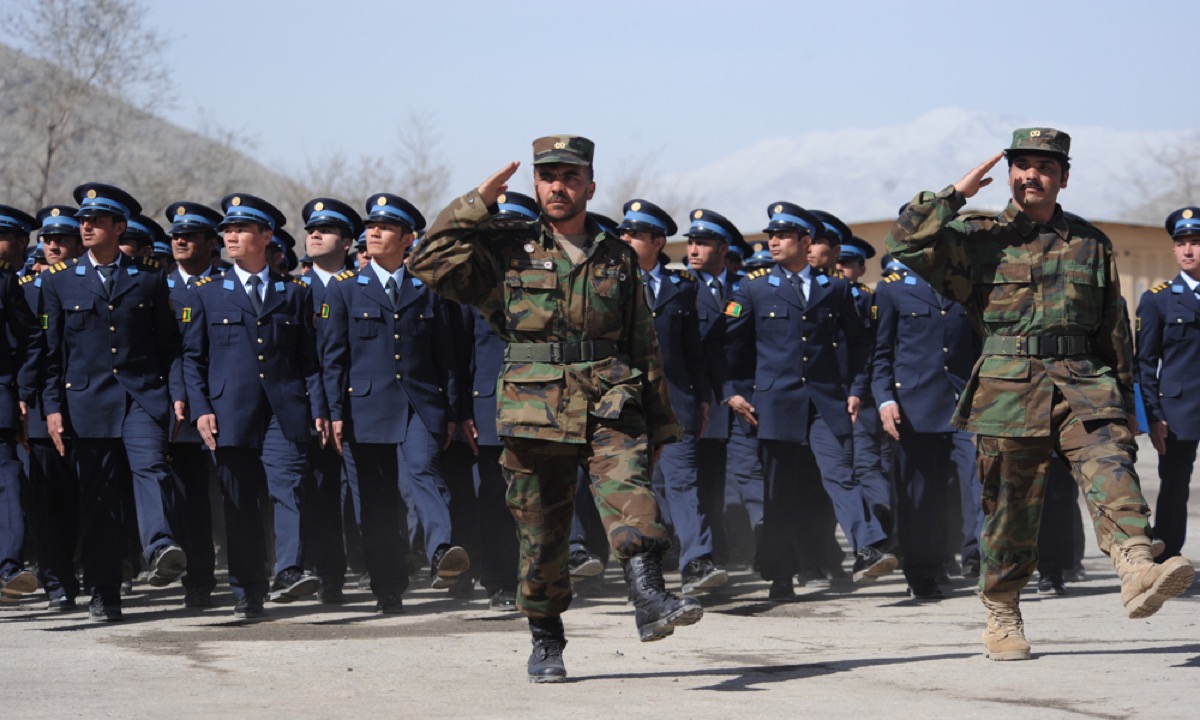 Does walking in step actually make us cooperate?ritual