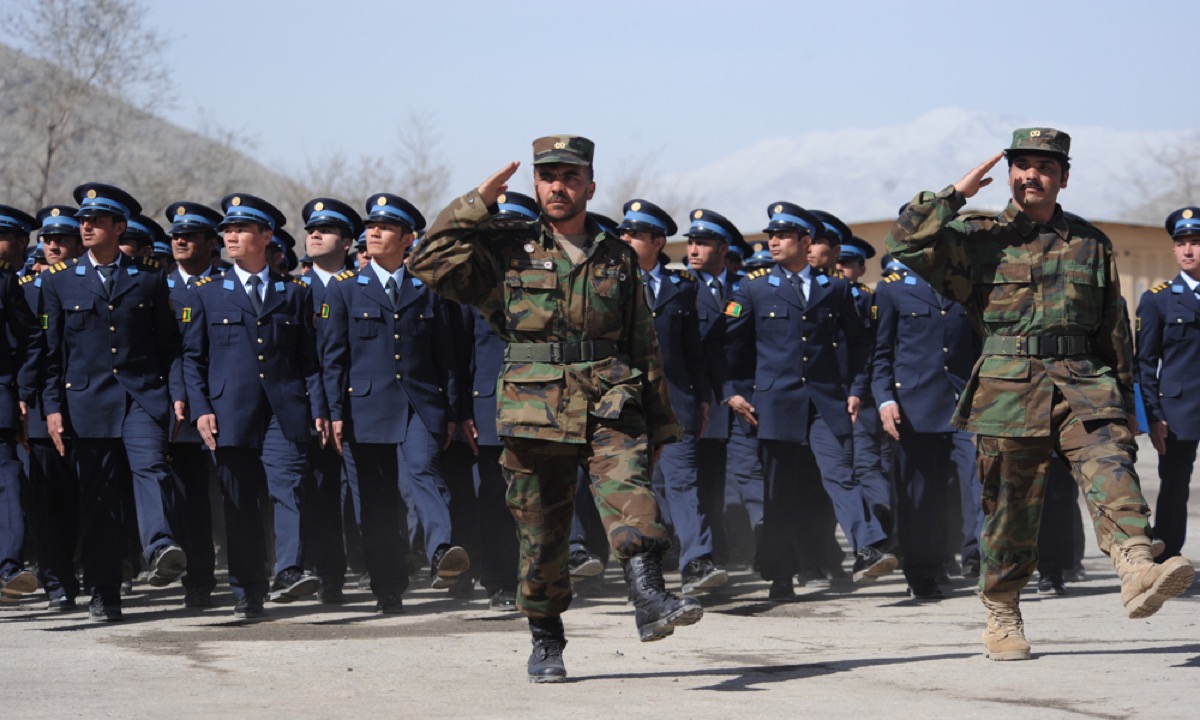
Armies, communities and rituals come back again and again to marching, singing and dancing together, and it is easy to put that down to people simply enjoying themselves. To test whether the rhythm itself does something, participants walked in step or sang together and then played a game where you can give something up for the group. What happened in the game?
The groups cooperated more, with no matching lift in . That second part is the interesting check: if singing together simply cheers people up and cheerful people are generous, mood should have improved alongside. It did not, which weakens that explanation and makes the link look more direct.
Armies march in step, communities sing together, rituals are built on shared movement. The usual explanation is that it is moving and unifying, which is not a claim you can test. The question here is narrower: whether precision in time itself changes behavior.
Across three experiments, participants walked in step, sang together or moved cups in shared timing, against groups doing the same things out of time. Afterwards everybody played in which you can act for the group at a personal cost, which is in miniature.
The synchronized groups cooperated more. The interesting check was on mood: if singing together is simply cheering, and that were the whole explanation, a matching improvement in how people felt should have appeared. It did not, which supports a more direct account.
Two qualifications. The experiments are short and artificial, and cooperation in a game with strangers over a small sum is not loyalty over years. And the second is not methodological but moral: the mechanism is neutral. The same shared marching that unites a community unites an army and a political movement, and nothing in the finding distinguishes between purposes.
wat. Moving to the same rhythm does not only look coordinated; it can change the willingness to pay a price for the group.
wat wat
It offers a simple mechanism by which shared movement and ritual can strengthen a sense of connection and help a group solve the free rider problem.
How do we know?
Wiltermuth and Heath ran three controlled experiments comparing synchronized activity against unsynchronized activity, then measured decisions in group economic games.
What is still unknown
The experiments were short and artificial, and cooperation in a game is not the same as long-term loyalty. Synchrony can also serve groups acting badly.
Learn something?
Where to next
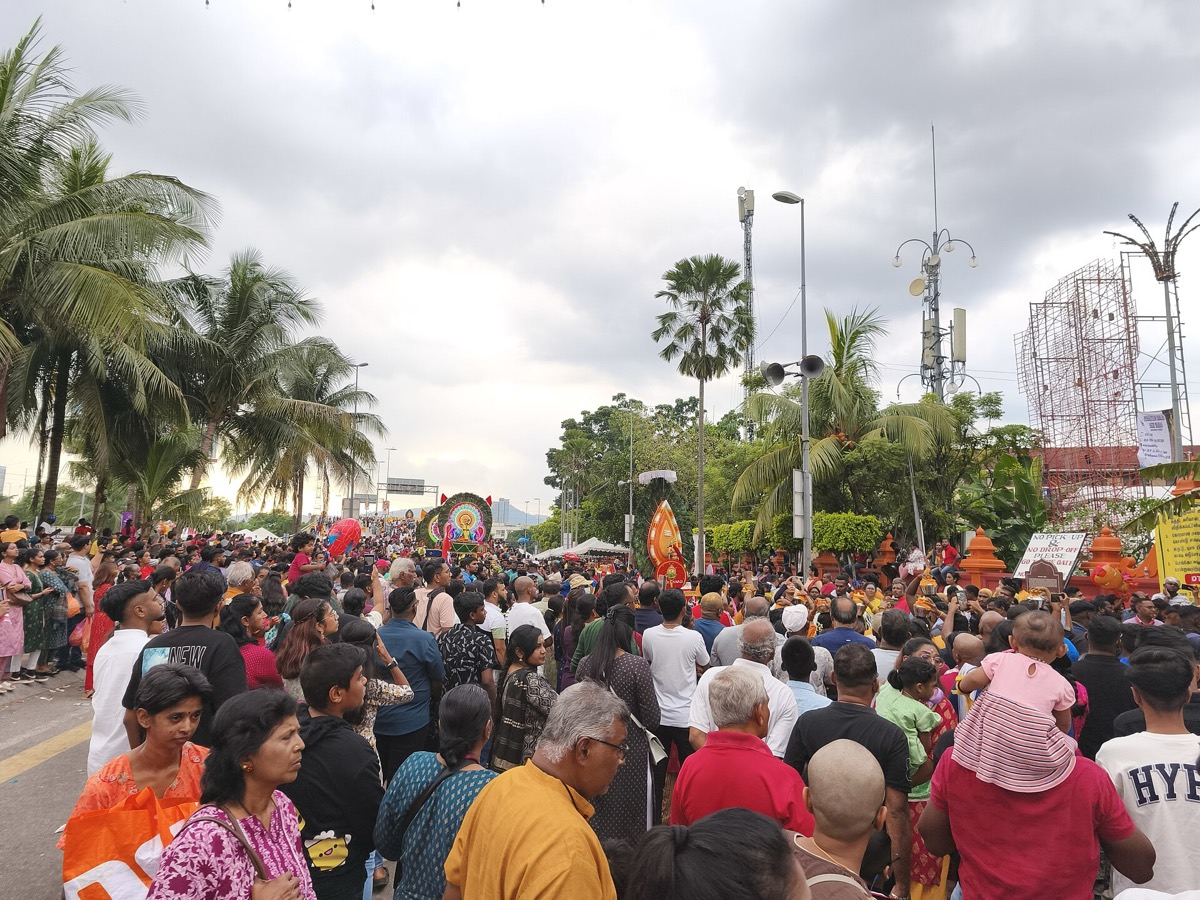 Can a painful ritual raise generosity toward a community?ritual
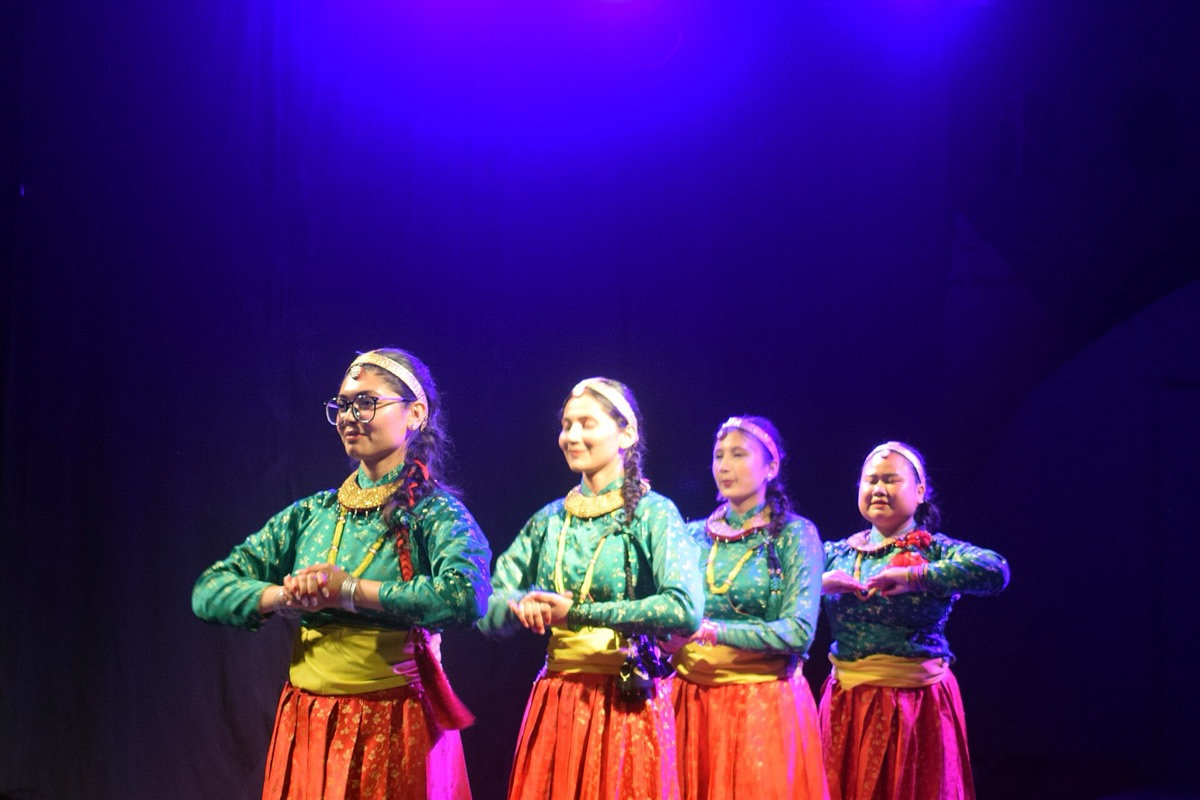 What brings dancers closer, moving together or working hard together?synchrony
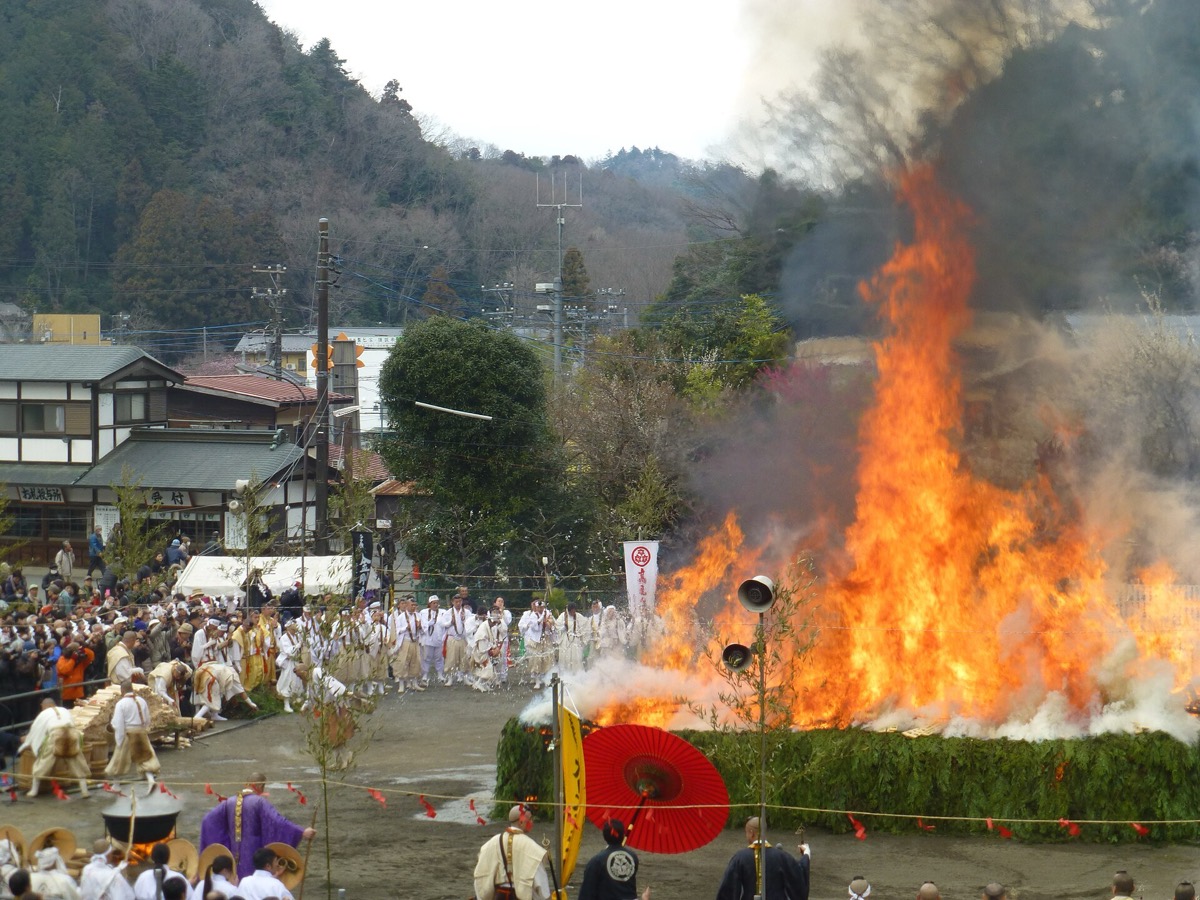 What happened to the pulse of the spectators at a firewalking ritual?ritual