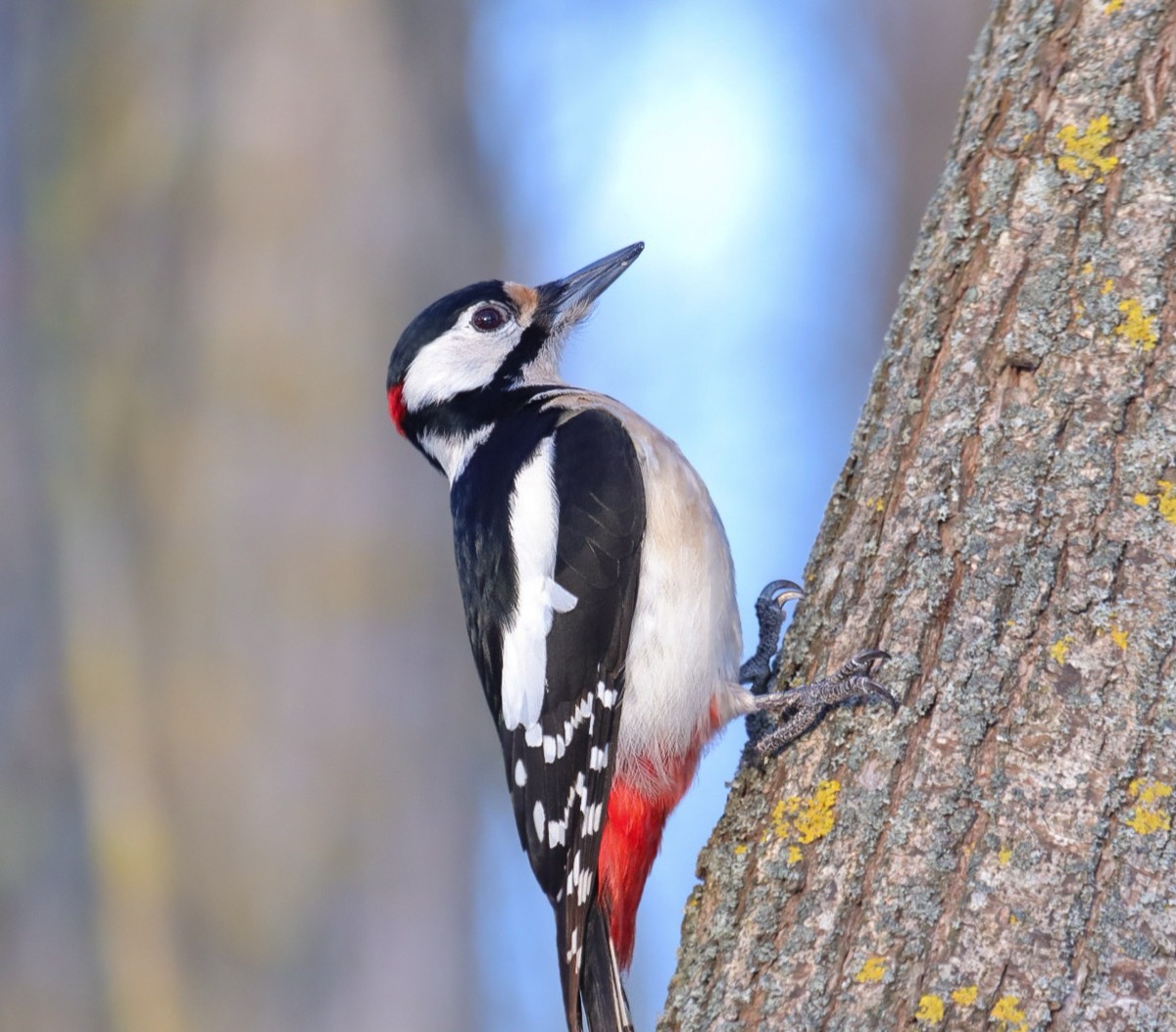
A woodpecker meets forces of 1,200 to 1,400 g while pecking, and the assumption that evolution made it immune to brain injury is strong enough that its anatomy gets copied into football helmets. Nobody had checked the brain itself. Researchers stained preserved woodpecker brains and compared them with birds that do not peck. What showed up?
Deposits that the did not have. Silver staining found deposits around blood vessels and along white matter tracts in 8 of 10 woodpecker brains, and an antibody for phosphorylated found accumulations in 2 of the 3 woodpeckers tested for it. The five red-winged blackbirds showed no staining at all. What the deposits mean is open: damage, a useful adaptation, or something normal for a woodpecker.
The numbers are the reason the woodpecker became a . It meets 1,200 to 1,400 g while pecking, and survives it thousands of times a day, so its skull and tongue anatomy have been studied by people building helmets and other protective equipment.
The assumption underneath that work had never been tested on the organ that matters. The team treated the brains of 10 ethanol-preserved woodpeckers with a Gallyas and with an antibody against phosphorylated tau, alongside 5 red-winged blackbirds as controls.
Silver-positive deposits turned up around blood vessels and in white matter tracts in 8 of the 10 woodpeckers, and tau accumulations in 2 of the 3 tested for it. The control birds showed nothing comparable, which is the contrast that makes the result worth reporting.
What the deposits are remains unsettled. They could be injury, a protective adaptation, or an ordinary feature of a woodpecker brain, and the specimens were old, few, and of unknown age and history. The modest conclusion is the useful one: pecking may induce tau accumulation, and perfect immunity is an assumption rather than a finding.
wat. Eight of ten preserved woodpecker brains carried deposits that the control birds did not, so immunity to pecking is not established.
wat wat
Copying a biological structure means understanding what it costs, rather than assuming that evolution produced perfect protection.
How do we know?
Farah, Siwek and Cummings examined 10 ethanol-preserved woodpeckers against 5 ethanol-preserved red-winged blackbirds as controls, using Gallyas silver stain and an anti-phospho-tau antibody.
What is still unknown
The samples were old and few, and the ages and pecking histories of the birds were unknown. Tau in a woodpecker is not automatically a disease the way it is read in a human brain.
Learn something?
Where to next
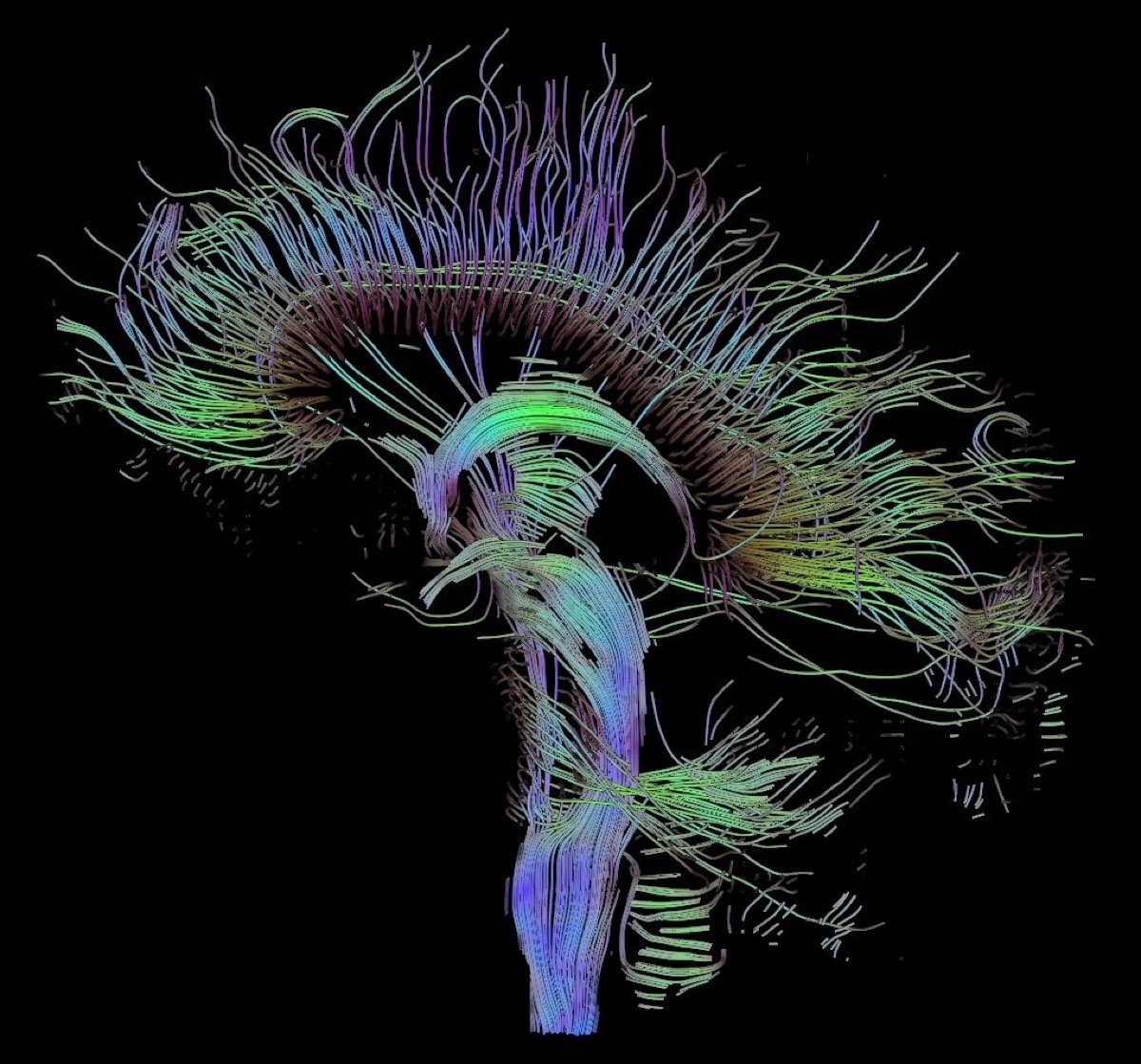 What does the brain do at night that it cannot get done by day?brain
 Why does somebody else’s yawn catch you in particular?brain
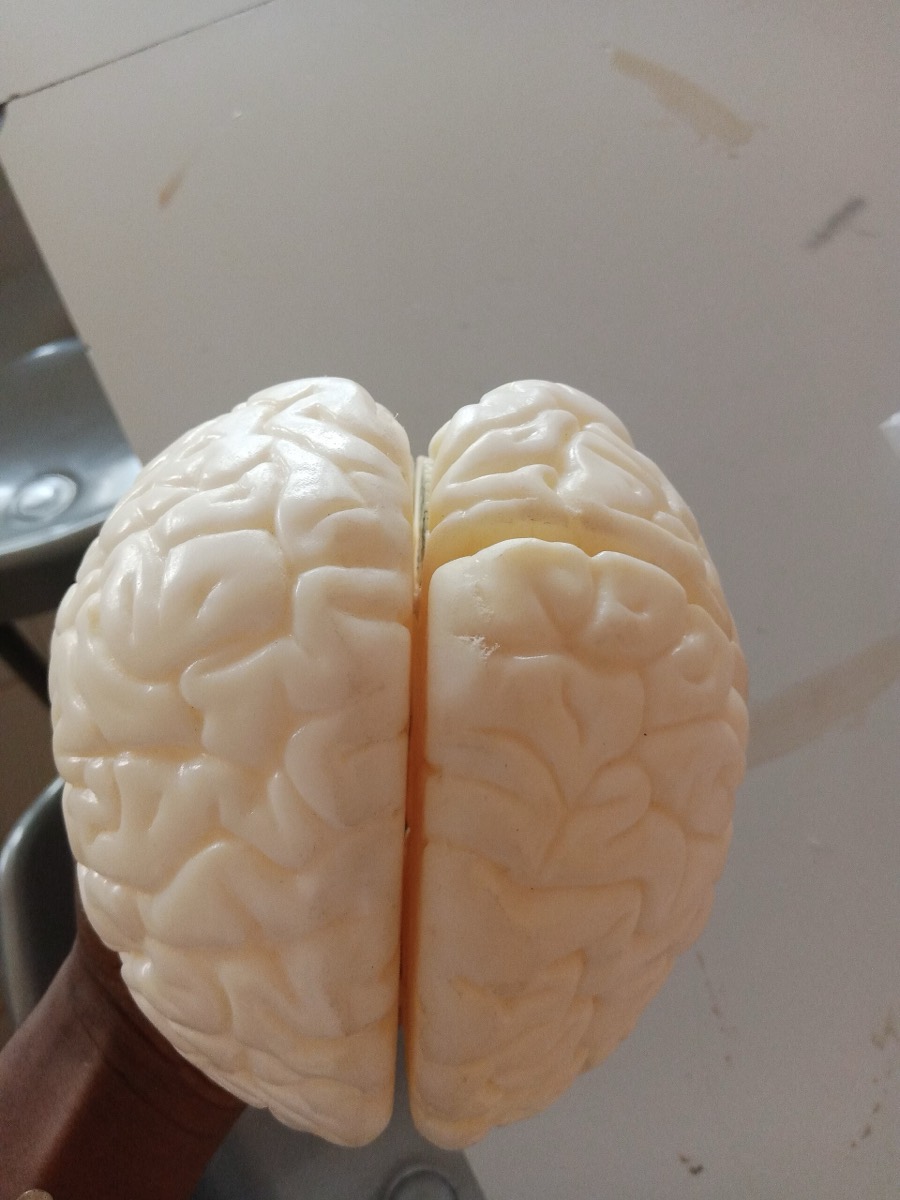 Are some people really "right-brained" and others "left-brained"?brain