
A contagious yawn is one of the harder things to resist, and it feels like a simple reflex with nothing behind it. To see what is going on inside, researchers scanned the brains of people watching others yawn, and also tracked who catches it from whom. What sets it off?
Something social. In the watcher, regions light up that would have been active had they yawned themselves, among them parts of the tied to emotional processing. That suggests a , the brain simulating the other person’s state to some degree. And matters: family and good friends catch it from each other far more than strangers or distant acquaintances do, which a visual reflex has no business doing.
The first hint that something social is going on comes from age. Ordinary yawning appears in the womb, and only around four or five, at roughly the time children begin to grasp that other people have thoughts of their own.
Brain scans add a layer. When somebody watches another person yawn, regions light up in them much like the ones active had they yawned themselves. Among them are parts of the prefrontal cortex involved in social and emotional processing. Which is to say it is not a simple visual reflex.
The strongest behavioral evidence is the effect of social closeness. The rate is higher between family members, then friends, and only then acquaintances and strangers. A reflex is not supposed to be sensitive to who is standing in front of you.
Hence the suggestion that this is motor empathy, an internal running of what you see. It also fits the finding that in some people on the autistic spectrum contagious yawning is below average. And two leaps are worth avoiding: contagious yawning in animals does not prove they feel empathy as we do, and in people tiredness and the hour of the day affect the rate.
wat. Family and good friends catch each other’s yawns far more than strangers do.
wat wat
In populations characterized by difficulty with empathic processing, some people on the autistic spectrum among them, contagious yawning is found at below-average rates.
How do we know?
Imaging studies recorded which regions activate while a person watches somebody else yawn, and compared different populations on their rates of contagious yawning.
What is still unknown
Not every animal that shows contagious yawning necessarily experiences empathy in the human sense. In people too, tiredness and the time of day affect the rate.
Learn something?
Where to next
 Why would reading novels make somebody better with people?brain
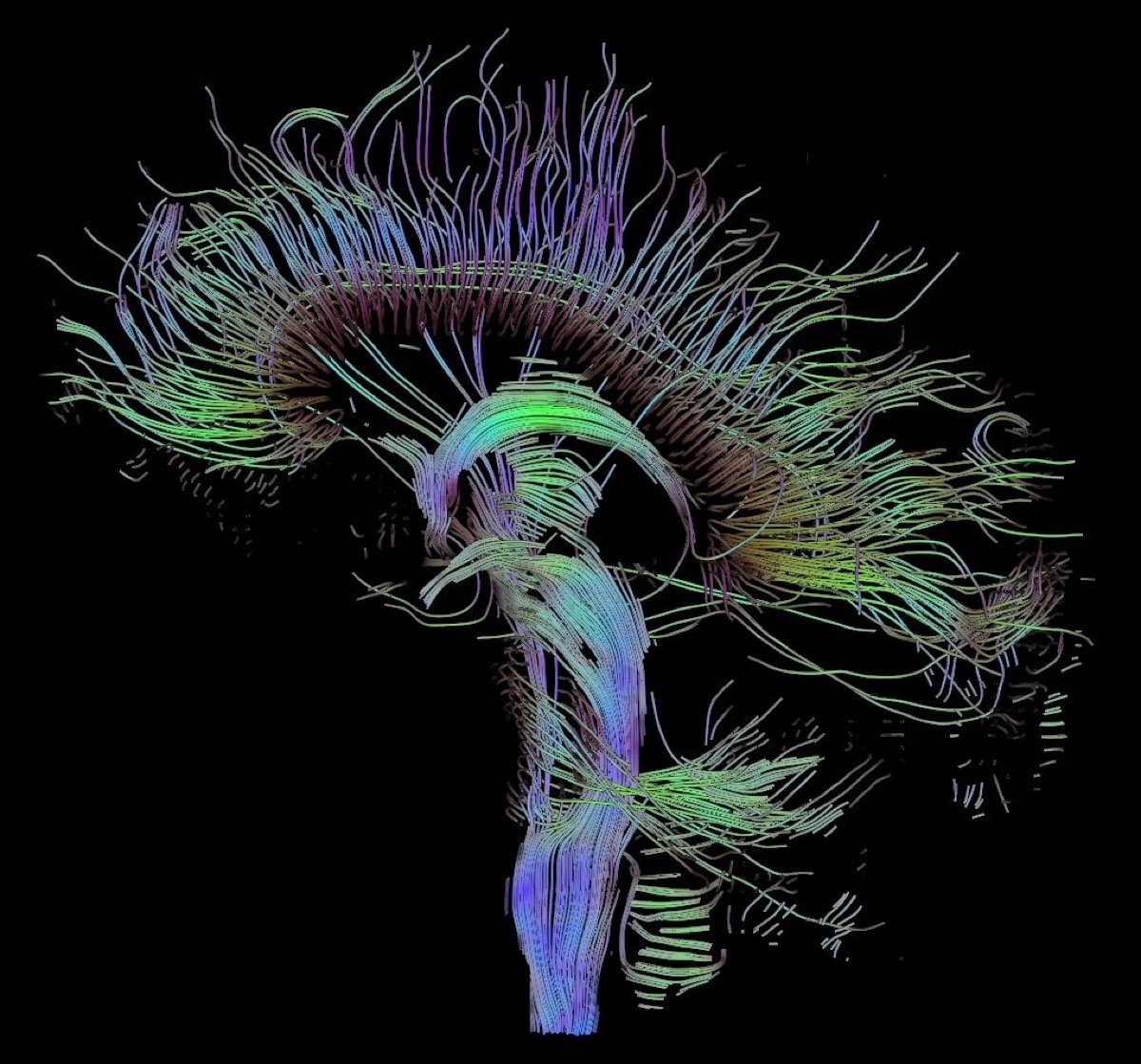 What does the brain do at night that it cannot get done by day?brain
 Are some people really "right-brained" and others "left-brained"?brain