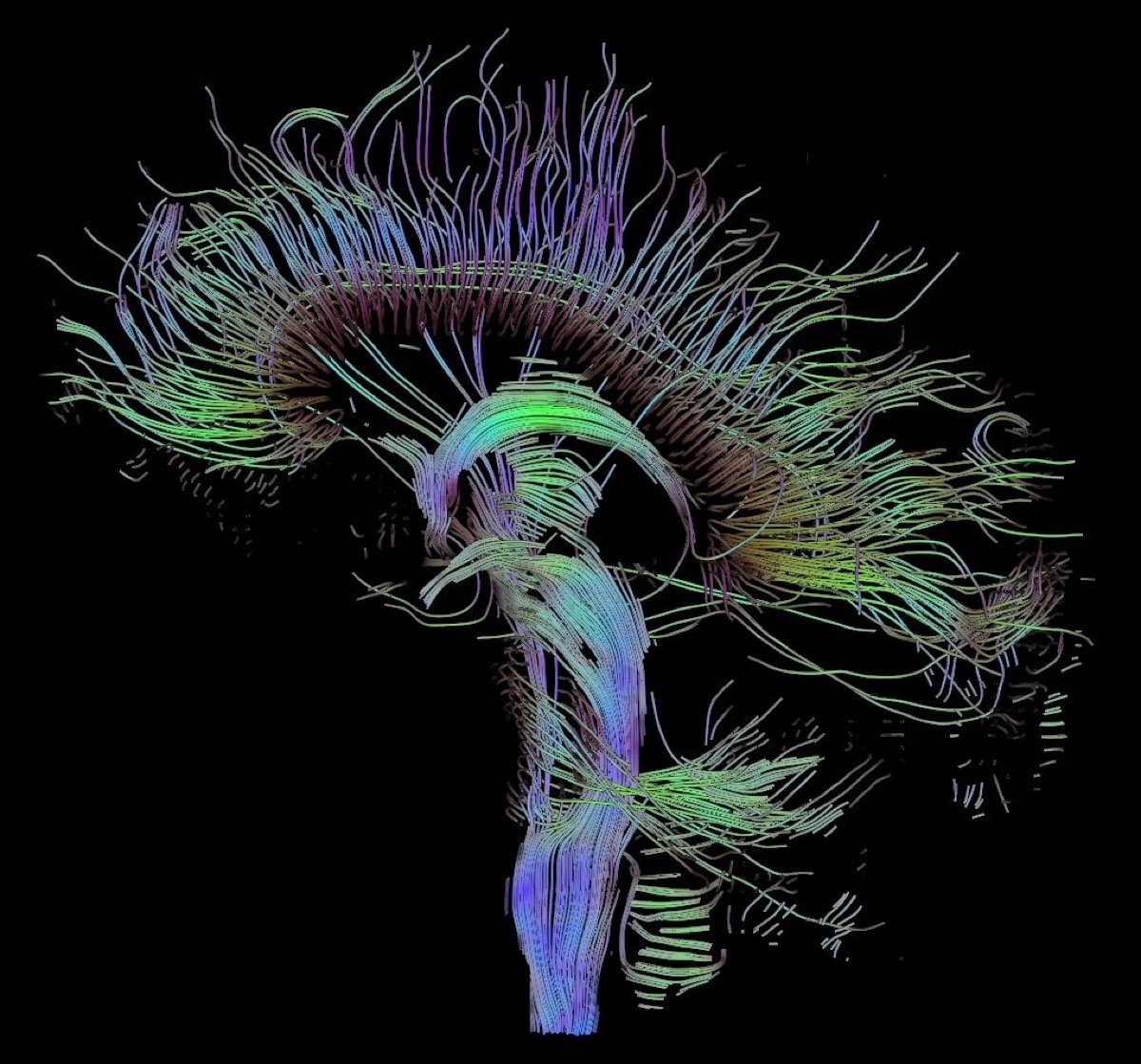
Every tissue in the body has a to carry waste away, and the brain has none, although it burns about a fifth of the body’s energy. To see how it clears anyway, researchers injected a glowing tracer into the of mice and filmed the living brain awake and asleep. What changed between the two?
In place of a lymphatic system the brain has another route: spinal fluid runs along the blood vessels into the tissue, sweeps up proteins and by-products, and carries them out. The surprise was the timing. That flow strengthens sharply during sleep, because the widen and the fluid passes far more easily. Cleaning the brain is mostly a night shift.
The gap this starts from is anatomical. Every tissue in the body has a lymphatic system draining waste, and the brain does not. That is odd, because the brain burns about a fifth of the body’s energy and so produces by-products at a high rate.
What was found instead is another path. Spinal fluid enters the brain tissue along the blood vessels, passes through the gaps between cells, sweeps proteins and by-products along, and leaves by a parallel channel. The brain uses its own plumbing as drainage, so it needs no separate system.
The surprise was in the timing. In mice watched under a microscope in real time, that flow strengthens markedly during sleep, and the reason is simple enough: the gaps between cells widen, resistance drops, and the fluid passes easily. The cleaning does not run quietly all day. It works mostly at night.
From there follows the possible explanation for the link between poor sleep and brain health over years, because the very tied to degenerative disease leave by this route. The jump is worth resisting: most of the picture was built in mice, and in a human brain this flow is far harder to measure directly. How large the effect is in us is still open.
wat. During sleep the gaps between brain cells widen, and the fluid that flushes waste through them runs far faster.
wat wat
Proteins tied to degenerative disease leave by that same route, which is one possible explanation for the link between poor sleep and brain health over years.
How do we know?
Researchers injected glowing tracers into the spinal fluid of mice and filmed the living brain under a microscope, awake and asleep. That showed directly how much fluid entered the tissue, and what happened to the space between cells.
What is still unknown
Most of this picture was built in mice. Measuring that flow directly in a human brain is far harder, and how large the effect is in us is still being worked out.
Learn something?
Where to next
 Who decides which of today’s memories you still have tomorrow?sleep
 What is the immune system doing while you are asleep?sleep
 How does a bird sleep during a flight that lasts for days?sleep