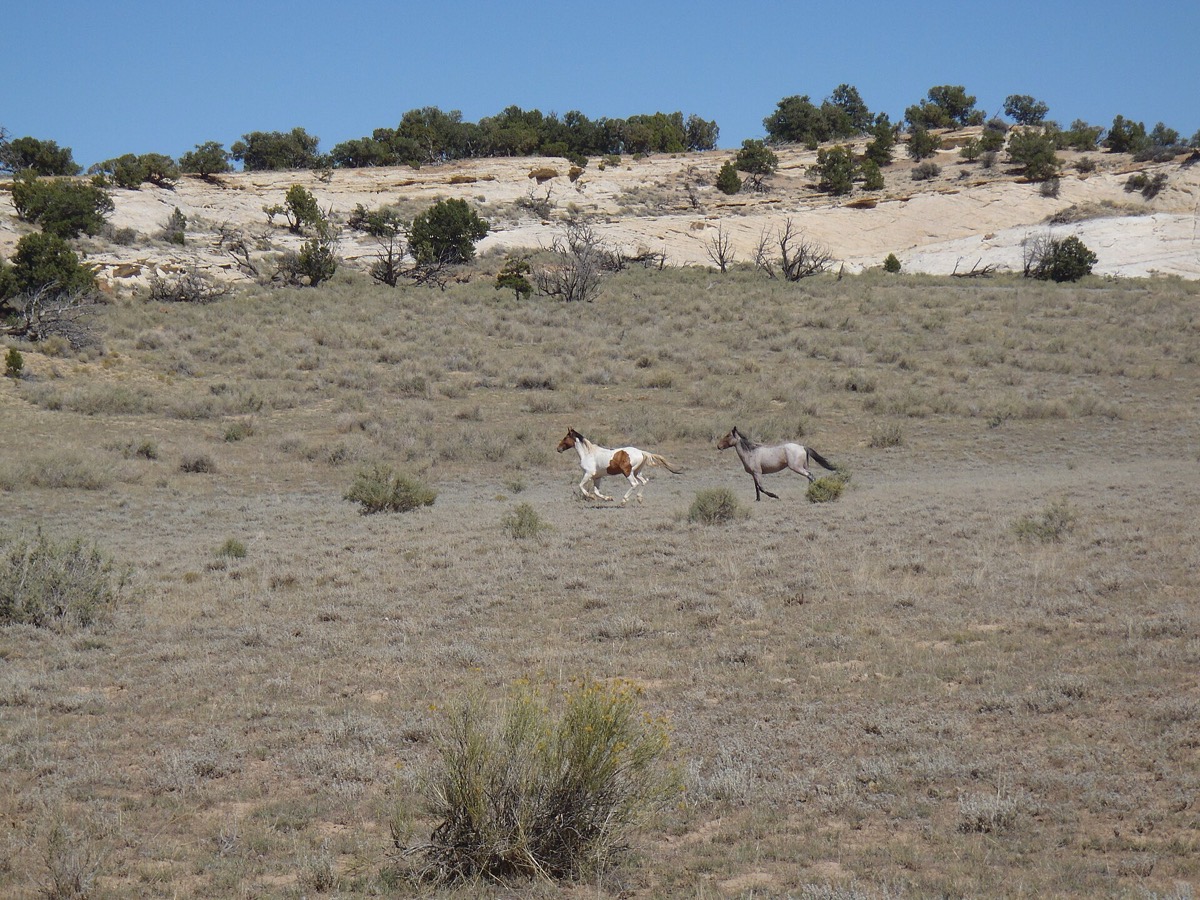
Domesticating the horse changed how far people could travel and how they fought. The oldest archaeological evidence of bridling, milking and corralling comes from in Central Asia around 3500 BC, and modern breeds turn out not to descend from that lineage. Iberia and Anatolia have been ruled out too.
The Western Eurasian steppes, and specifically the lower Volga-Don region. Mapping 273 ancient horse genomes shows that line expanding rapidly across Eurasia from about 2000 BC and replacing almost all local populations, moving together with equestrian material culture including the spoke-wheeled chariots of the Sintashta.
Horse domestication transformed long-range mobility and warfare, and until recently nobody could say where the horses people now ride actually came from. The earliest domestic lineage sits at Botai in Central Asia, with archaeological evidence of bridling, milking and corralling about fifteen centuries before these horses spread, and it is not their ancestor.
Other candidates fell too. Iberia and Anatolia had long been proposed and have both been challenged, which left the genetic, geographic and temporal origins of modern domestic horses genuinely open.
Mapping 273 of horses pins the homeland to the Western Eurasian steppes, especially the lower Volga-Don region. From about 2000 BC that population expanded rapidly across Eurasia and ultimately replaced almost all other local populations, in step with equestrian material culture including Sintashta spoke-wheeled chariots.
Two consequences follow. Equestrianism involved strong selection at the genes, for locomotor and behavioral traits. The results also reject the commonly held link between horseback riding and the expansion into Europe, roughly a thousand years before these horses spread.
wat. Today’s horses trace to the lower Volga-Don steppes and spread from about 2000 BC, not to the earliest domesticated herds.
wat wat
Horses carried languages, trade and armies, so where the modern lineage started reorders a lot of the story of the Bronze Age.
How do we know?
Librado and colleagues sequenced and compared 273 ancient horse genomes, tracking which populations persisted and which were replaced, and tested the candidate homelands against that record.
What is still unknown
Ancient genomes trace ancestry rather than intent, so the archaeology still has to supply what people were doing with the animals.
Learn something?
Where to next
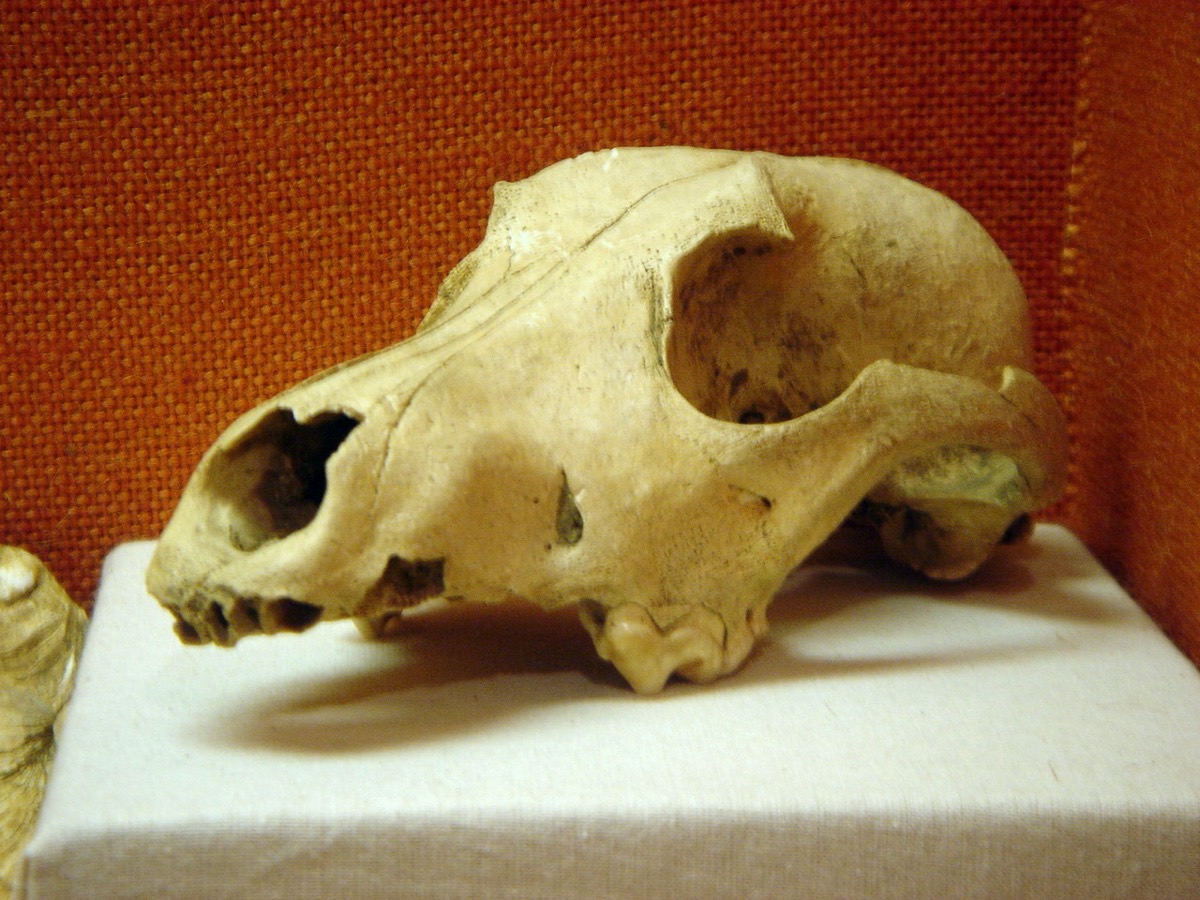 Was the dog tamed once, or did two separate peoples do it?ancient DNA
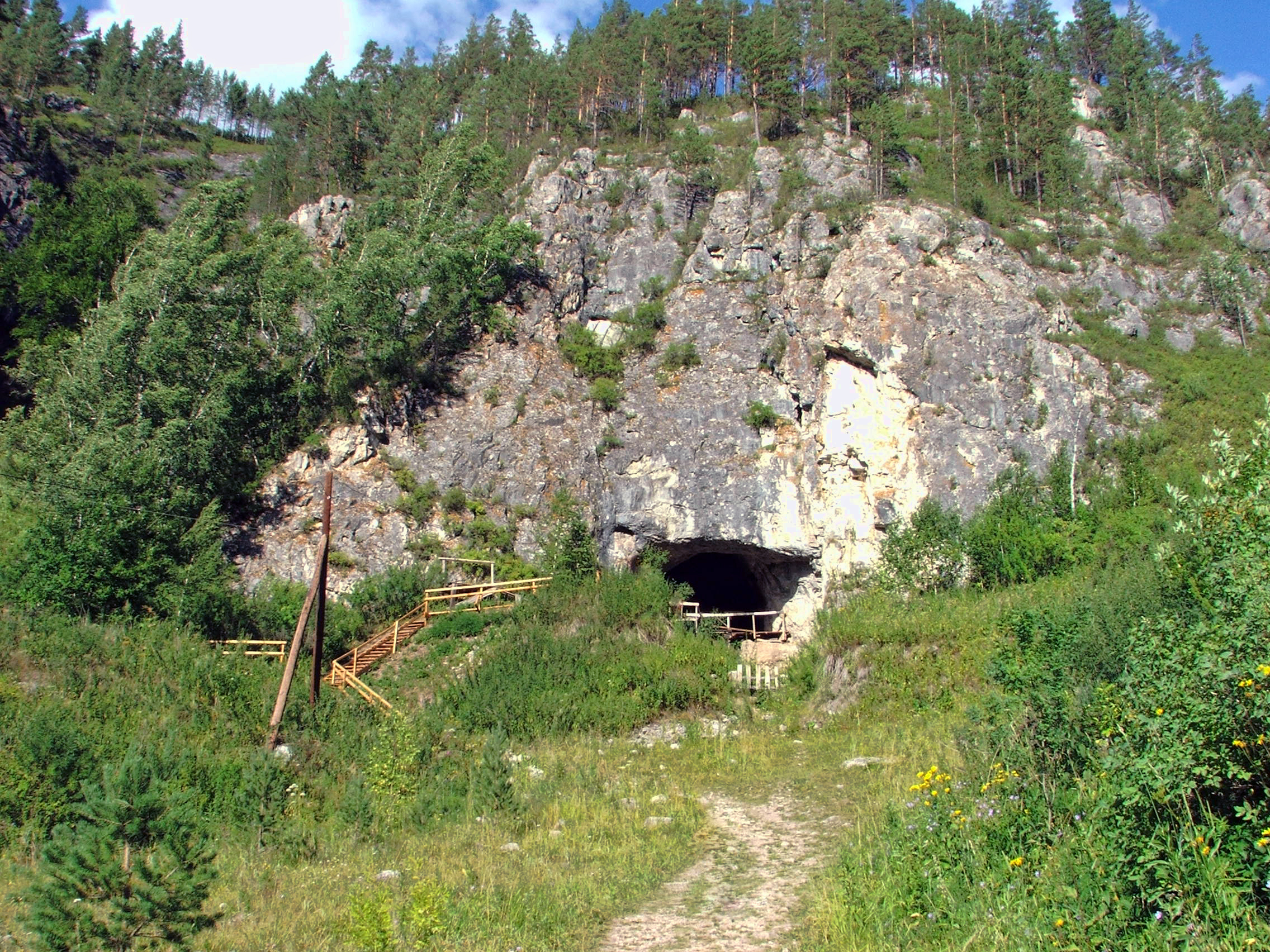 Can you tell who lived in a cave without finding a single bone there?ancient DNA
 How did one finger bone reveal a branch of humanity nobody knew?ancient DNA