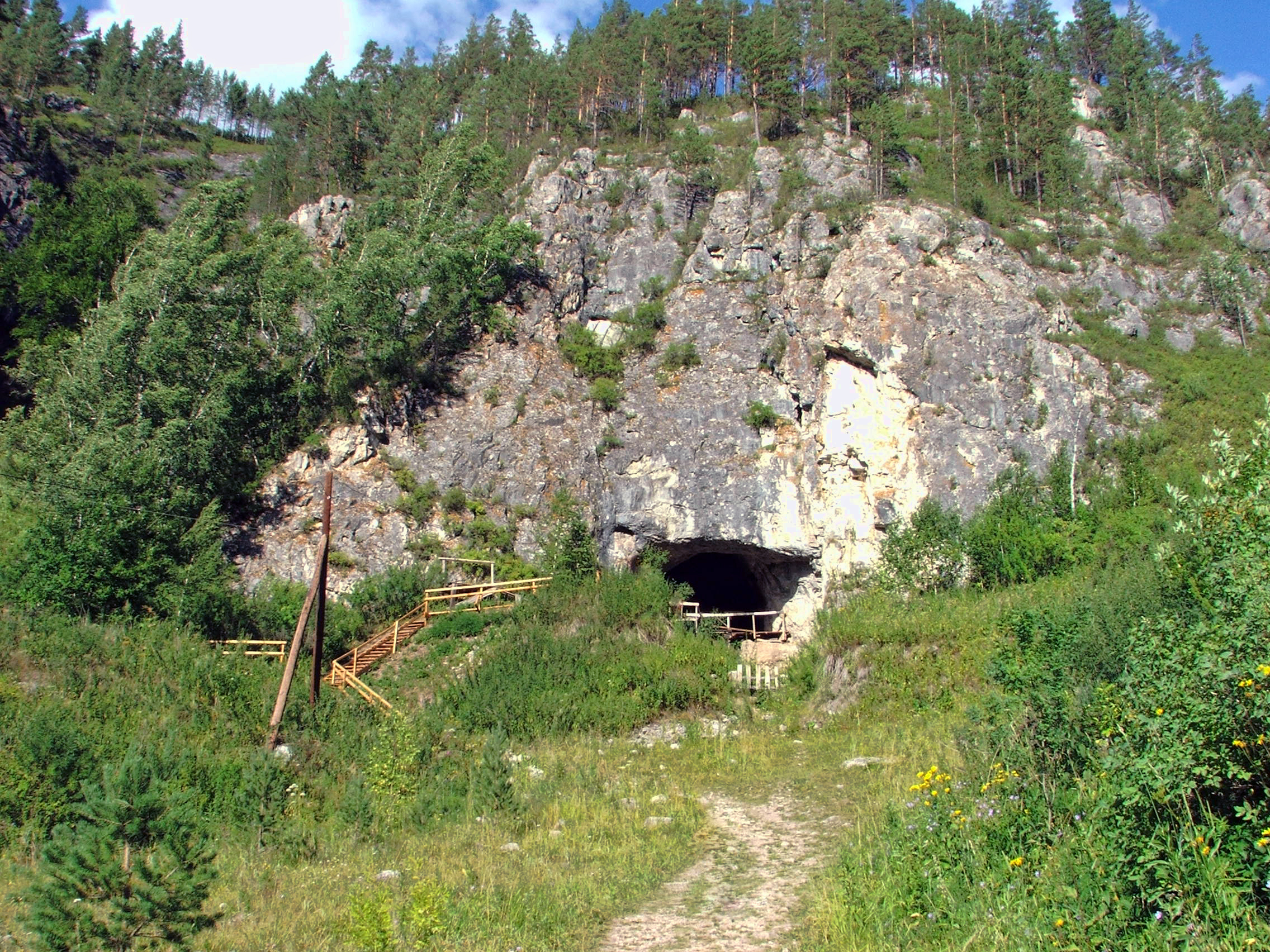
Ancient humans left more than tools and bones in caves. They also shed tiny cells into the dirt. A bone you either find or do not, and the dirt is always there. What can be got out of it?
A sequence. A research team worked out how to extract from sediment and identify Neanderthal and Denisovan sequences in it, which is at its most useful. At those signals turned up across different layers, some of them layers where no human bone was ever found. So the presence of a group can be followed through time with no body at all.
The old problem is easy to state. To know who lived in a cave you have to find a bone of theirs, and human bones in caves are an unusually rare find. Many sites have layers with stone tools and traces of fire and no bodily remains at all, so nobody could say who exactly had been there.
The idea that solves it is that humans shed cells continuously, and those cells fall into the dirt. In cold, dry conditions some of the DNA binds to mineral grains and keeps, even after tens of thousands of years. Which is to say the dirt itself is the find.
The team worked out how to extract mitochondrial DNA from sediment, chosen because there are hundreds of copies of it in every cell and so its chances of surviving are high. run alongside, because everyone in the room is shedding cells too. From the sequences you can tell whether this was a Neanderthal, a Denisovan or an animal.
At Denisova Cave such signals turned up across different layers, including layers where no human bone was found. So the presence of groups can be followed through time. The limits are plain: the DNA does not identify a particular person, and it can move between layers in the soil, so it is always interpreted alongside the geology and the rest of the finds.
wat. A handful of cave dirt can say who visited, even where no human bone survived.
wat wat
Environmental DNA extends archaeology to sites and periods where human fossils are rare.
How do we know?
The laboratories ran contamination controls, repeated the tests, and compared the sequences against known genomes of ancient humans and of animals.
What is still unknown
The DNA does not identify a particular person and can move between layers, so it is interpreted alongside the geology and the other finds.
Learn something?
Where to next
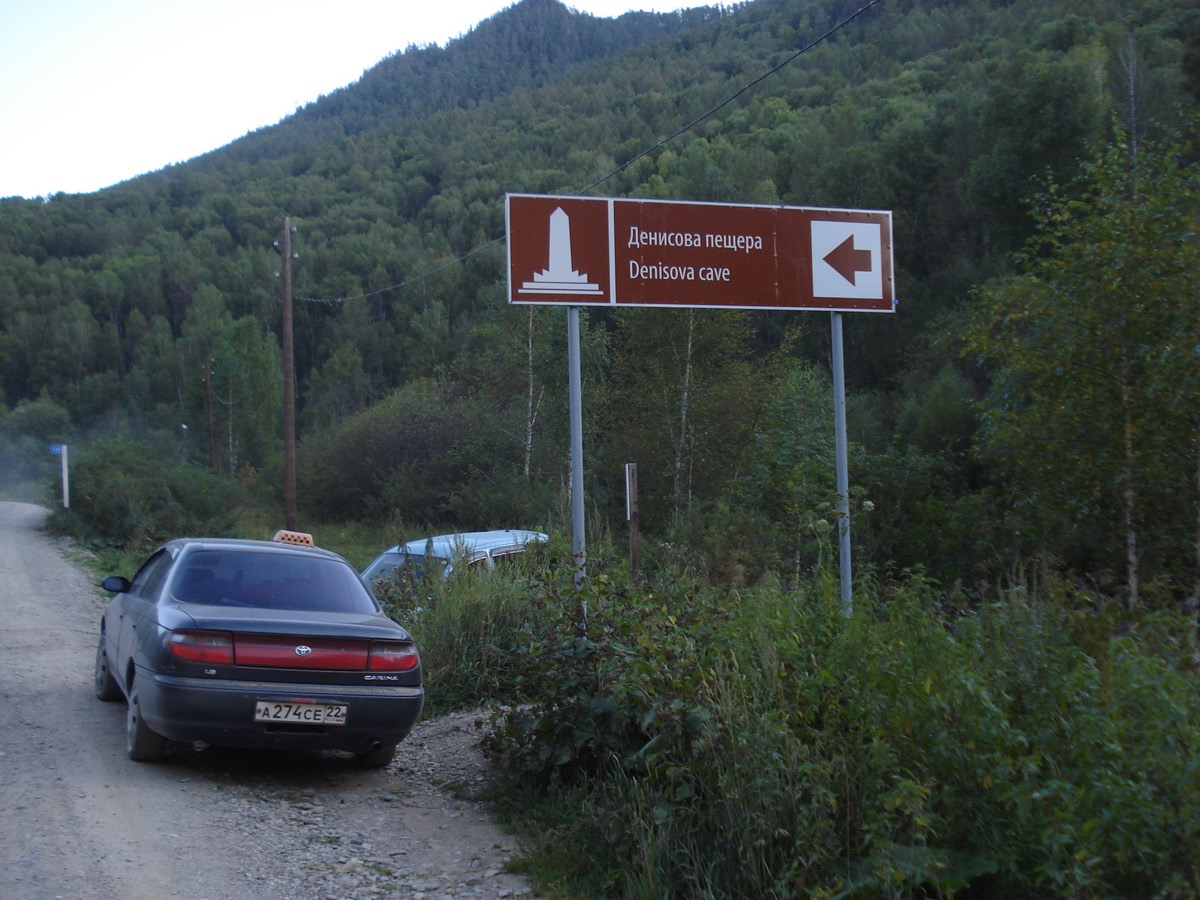 How did one finger bone reveal a branch of humanity nobody knew?ancient DNA
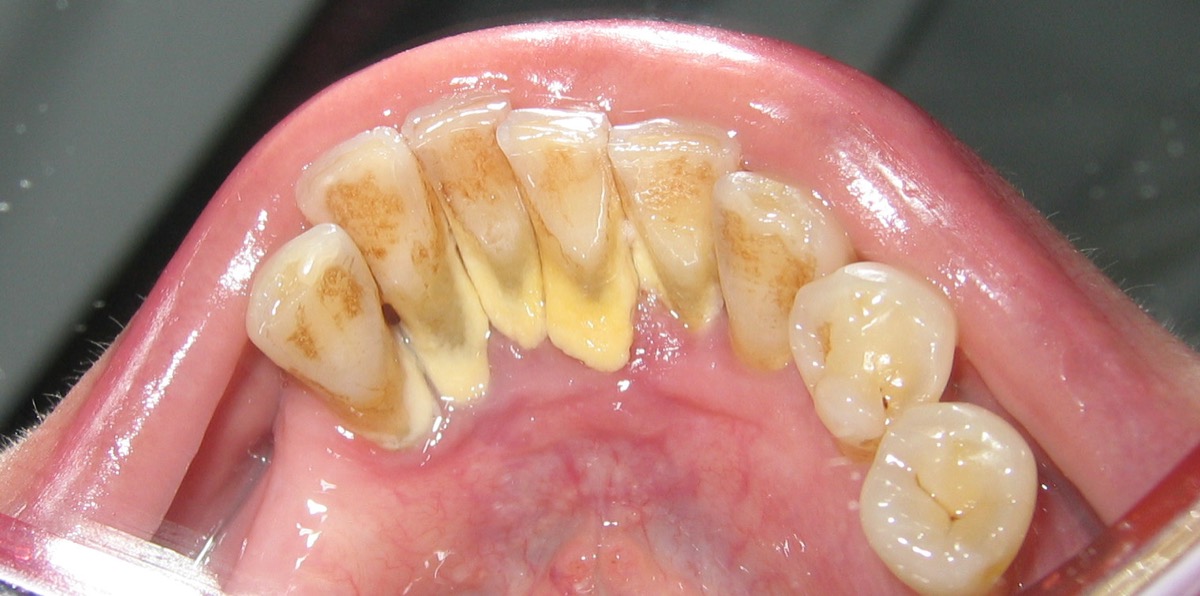 Can you tell what an ancient person ate from the DNA in their teeth?ancient DNA
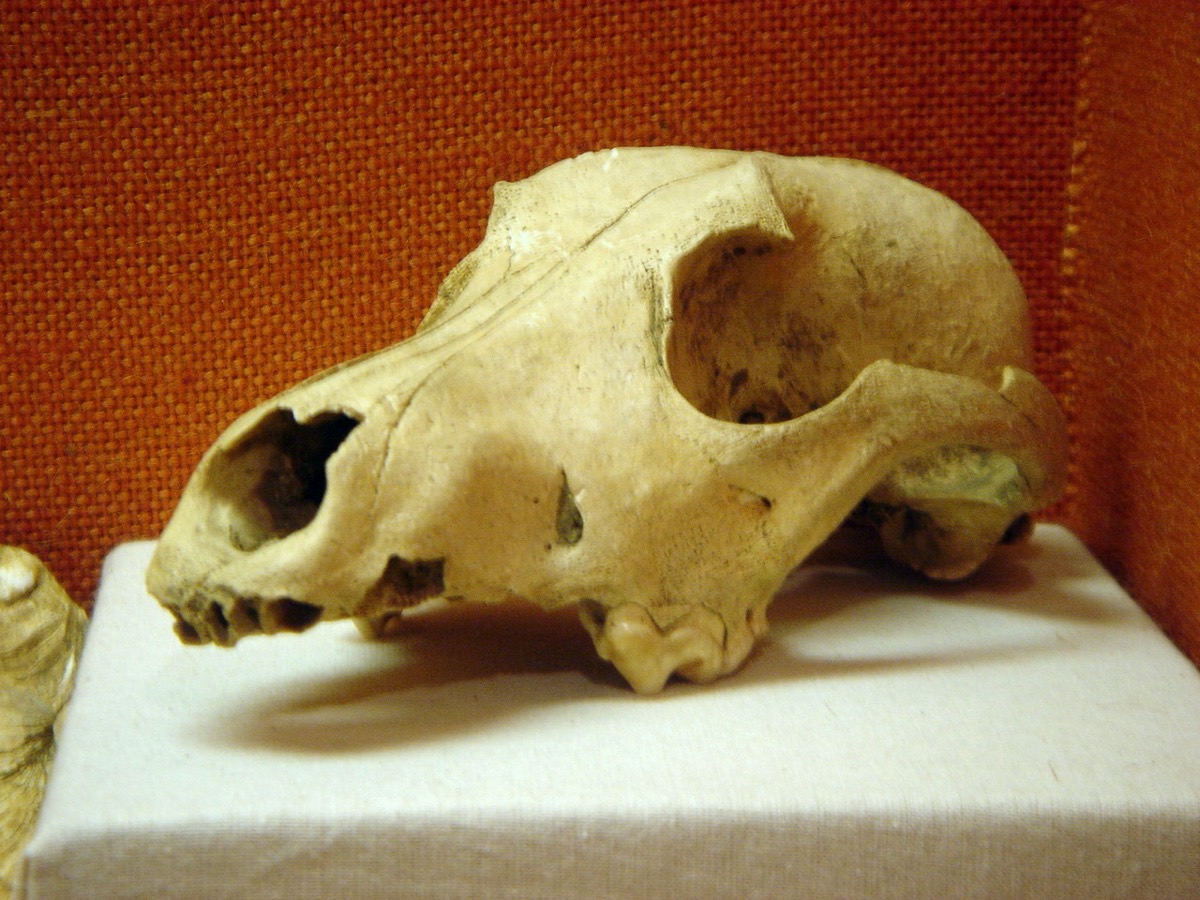 Was the dog tamed once, or did two separate peoples do it?ancient DNA