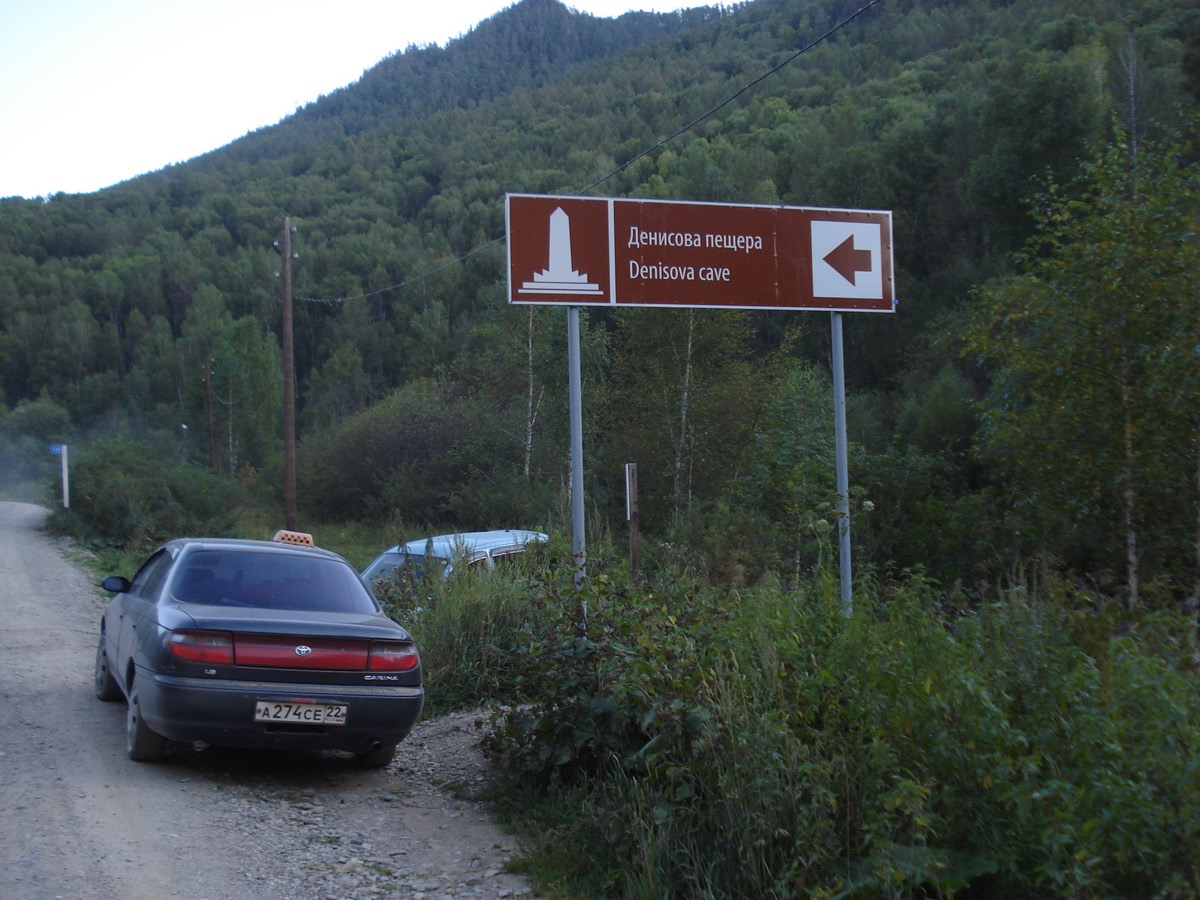
A tiny finger bone was found in Denisova Cave in Siberia. A bone like that tells you almost nothing about anatomical shape, so ordinarily it stays an item in a store room. The researchers did something else with it. What?
They read what was inside it. Instead of relying on shape, they sequenced from the bone and found it belonged to , an archaic group never recognized as a separate branch. That inverts the usual order of work: normally a species is identified from bones and genetics comes after, and here genetics defined a whole species with almost no bones.
The entire find is , a tiny joint from a cave in Siberia. Anatomically there was almost no information in it: it looked human, and that was all. In ordinary circumstances it would have been recorded, catalogued and forgotten.
Instead, DNA was extracted from it. The dry cold of the cave had preserved it well, and when the sequence was compared against the genomes of modern humans and of Neanderthals, it matched neither. This was a separate branch.
That is an inversion of how the field works. Normally a species is identified from bones and genetics is checked afterwards, and here genetics defined a whole species with almost no bones. Teeth and further fragments have turned up since, and the definition still rests mainly on the genome.
The evidence that made the story certain came from the living. A few percent of the genome of people in Melanesia and Australia comes from that group, which means happened: modern humans met them and mixed. Some of those segments are still active and useful. Their history is still being assembled, and the first samples were very few.
wat. Sometimes a bone too small for an anatomical story is full of a complete genetic one.
wat wat
The finding showed that ancient DNA can reveal past populations that even a handful of bones cannot say enough about.
How do we know?
The team extracted DNA from the bone, sequenced it, and compared it against the genomes of modern humans and of Neanderthals. The pattern of genetic relatedness revealed the Denisovan group.
What is still unknown
The first samples were very few. The history of the Denisovans is still being assembled from a combination of genomes, teeth and further bone fragments.
Learn something?
Where to next
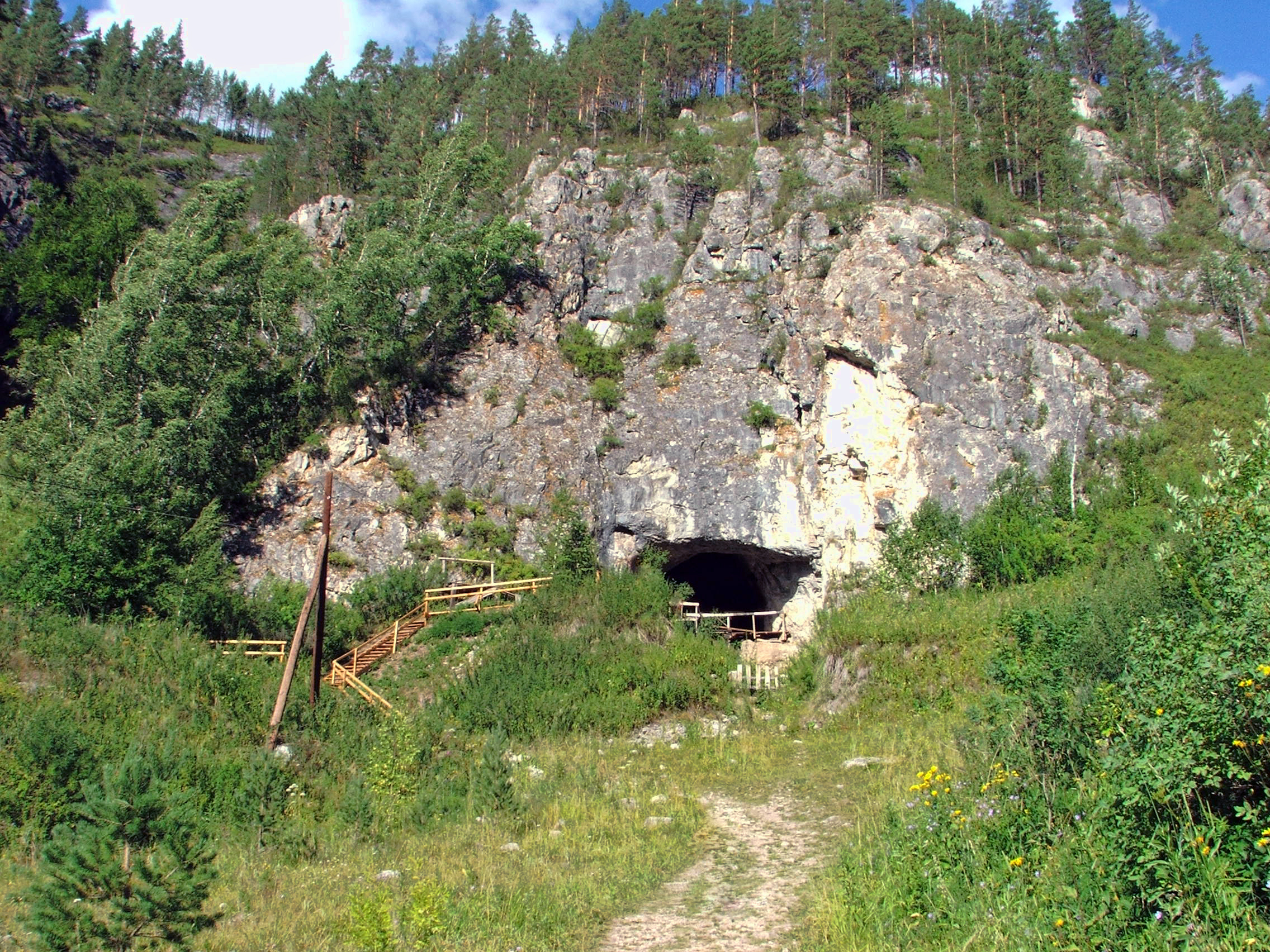 Can you tell who lived in a cave without finding a single bone there?ancient DNA
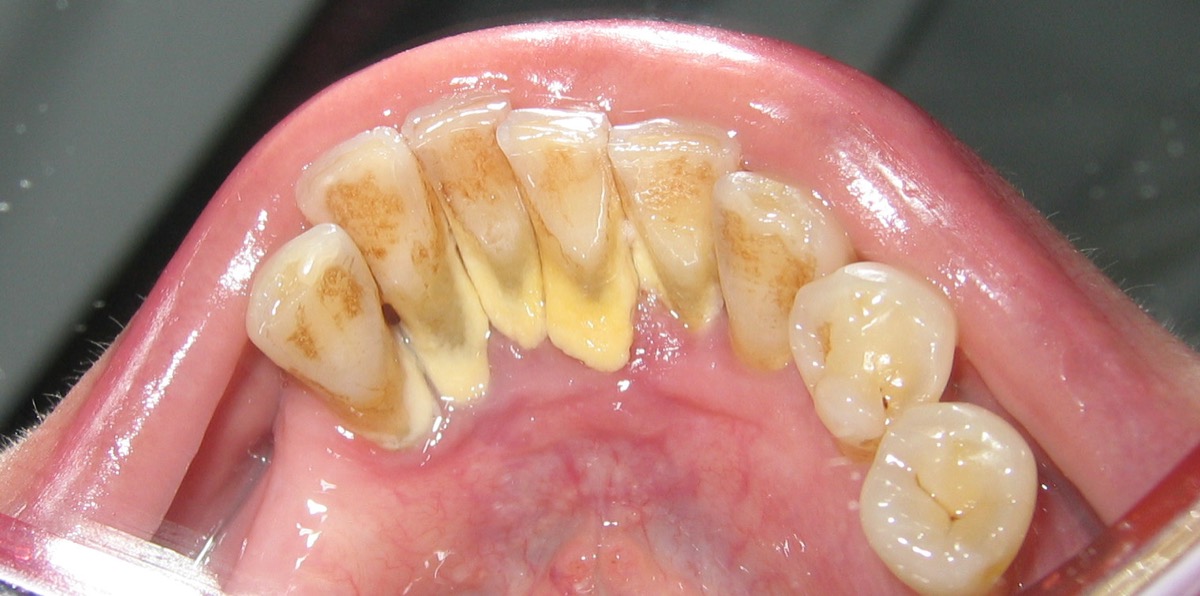 Can you tell what an ancient person ate from the DNA in their teeth?ancient DNA
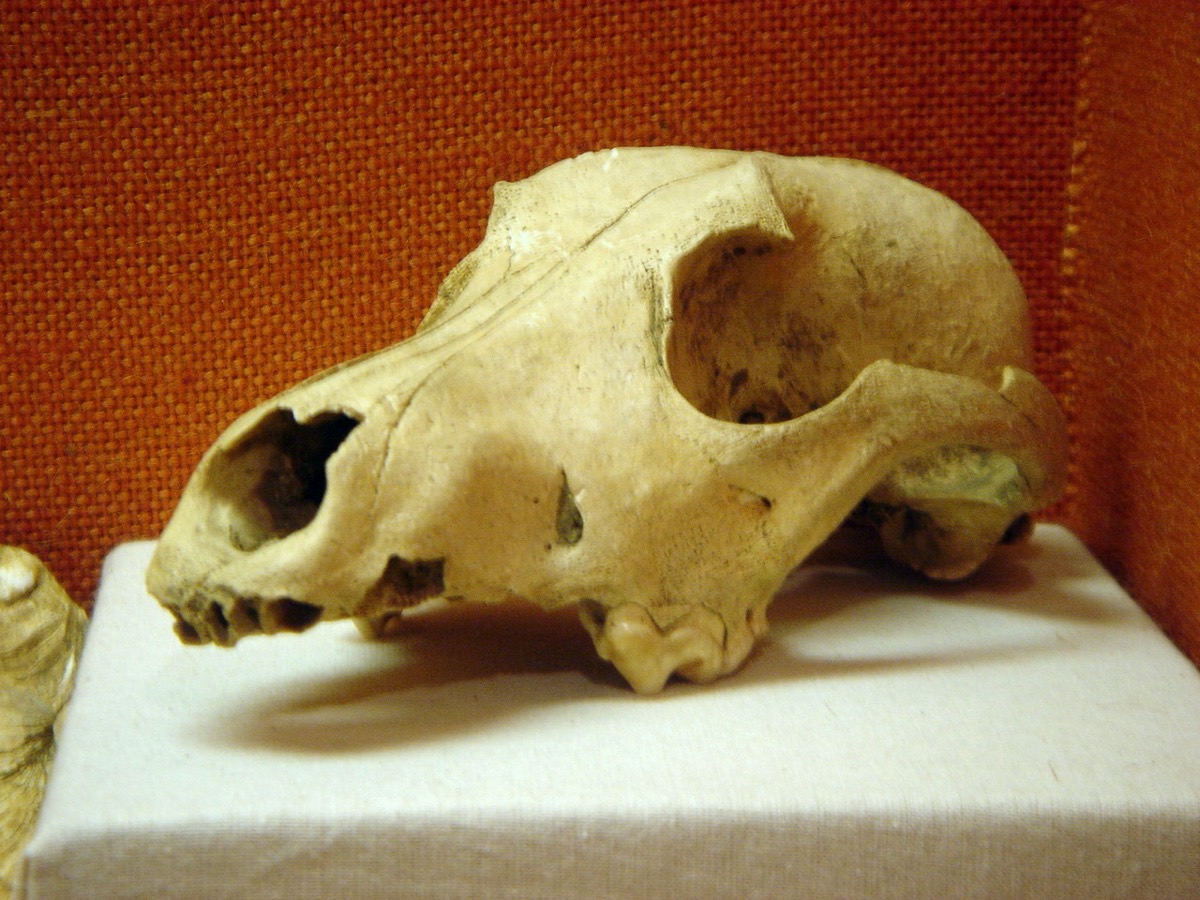 Was the dog tamed once, or did two separate peoples do it?ancient DNA