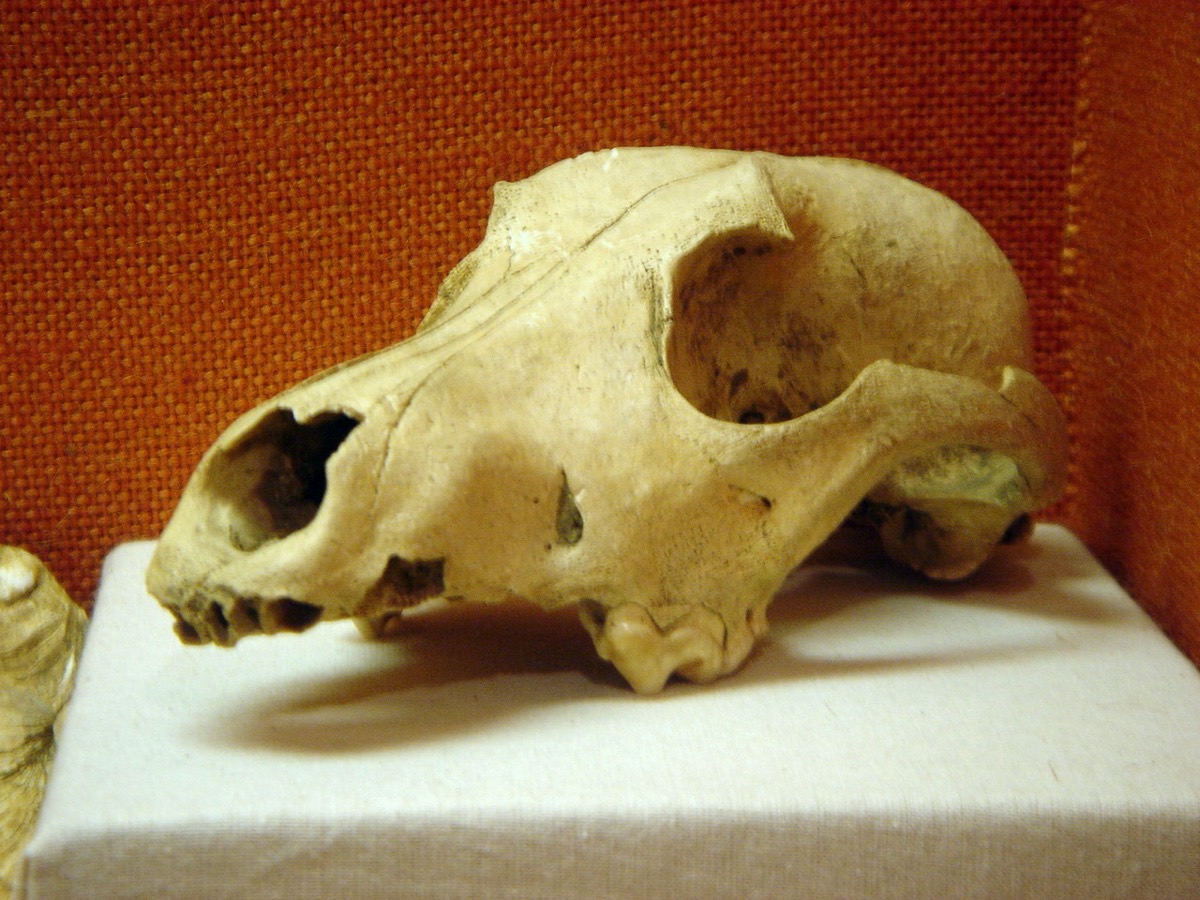
The usual assumption is that the dog was tamed once, in one place, and spread from there with the people who kept it. To test that, geneticists sequenced DNA from 59 ancient dogs plus the full genome of an Irish dog about 4,800 years old, and set the eastern lineages against the western ones. What did the family tree show?
Two separate beginnings, most likely. The sequences split modern East Asian dogs from Western Eurasian dogs across a dated to roughly 14,000 to 6,400 years ago, and the ancient showed a sharp break in the European lineages. Dogs may therefore have been tamed twice, out of distinct wolf populations, with eastern dogs later carried west. Later work still argues the point, so this is a .
A dog is the first animal people lived with, and where that started has stayed unsettled for a century. Bones tell you where early dogs were buried, and they cannot tell you which wolf population each one came from. Genomes can, if you can get them out of the bone.
The team sequenced genetic material from 59 ancient dogs and read the full genome of one late Neolithic dog from Ireland at 28 times coverage, dated to about 4,800 calendar years before the present. A modern dog carries the result of every migration since; an ancient individual is a sample from one moment, which is why old bones are worth the trouble.
Two things came out. Modern East Asian and Western Eurasian dogs sit on either side of a deep split. The ancient mitochondrial DNA shows a sharp discontinuity in European lineages, which means the dogs of Europe were largely replaced rather than continuous.
From that the authors proposed two independent events on either side of the Old World, with East Eurasian dogs later brought into Europe by people and partly displacing the Paleolithic dogs already there. Several later studies read the evidence as a single origin instead, and the ancient sample remains thin, so the dual origin is a supported hypothesis rather than a settled answer.
wat. DNA from 59 ancient dogs raised the possibility that two different wolf populations became dogs, on two sides of Eurasia.
wat wat
The dog travels with people, so its family tree also records human migrations and the animals that moved along with them.
How do we know?
Frantz and colleagues sequenced 59 ancient dogs, added a 28x genome of a late Neolithic dog from Ireland, and compared both against a worldwide panel of living dogs.
What is still unknown
The sample of ancient dogs is still thin, and other teams read the same data as a single domestication followed by complicated population movements.
Learn something?
Where to next
 Where did the horses people ride today come from?domestication
 Why can a dog give you that look and a wolf cannot?dogs
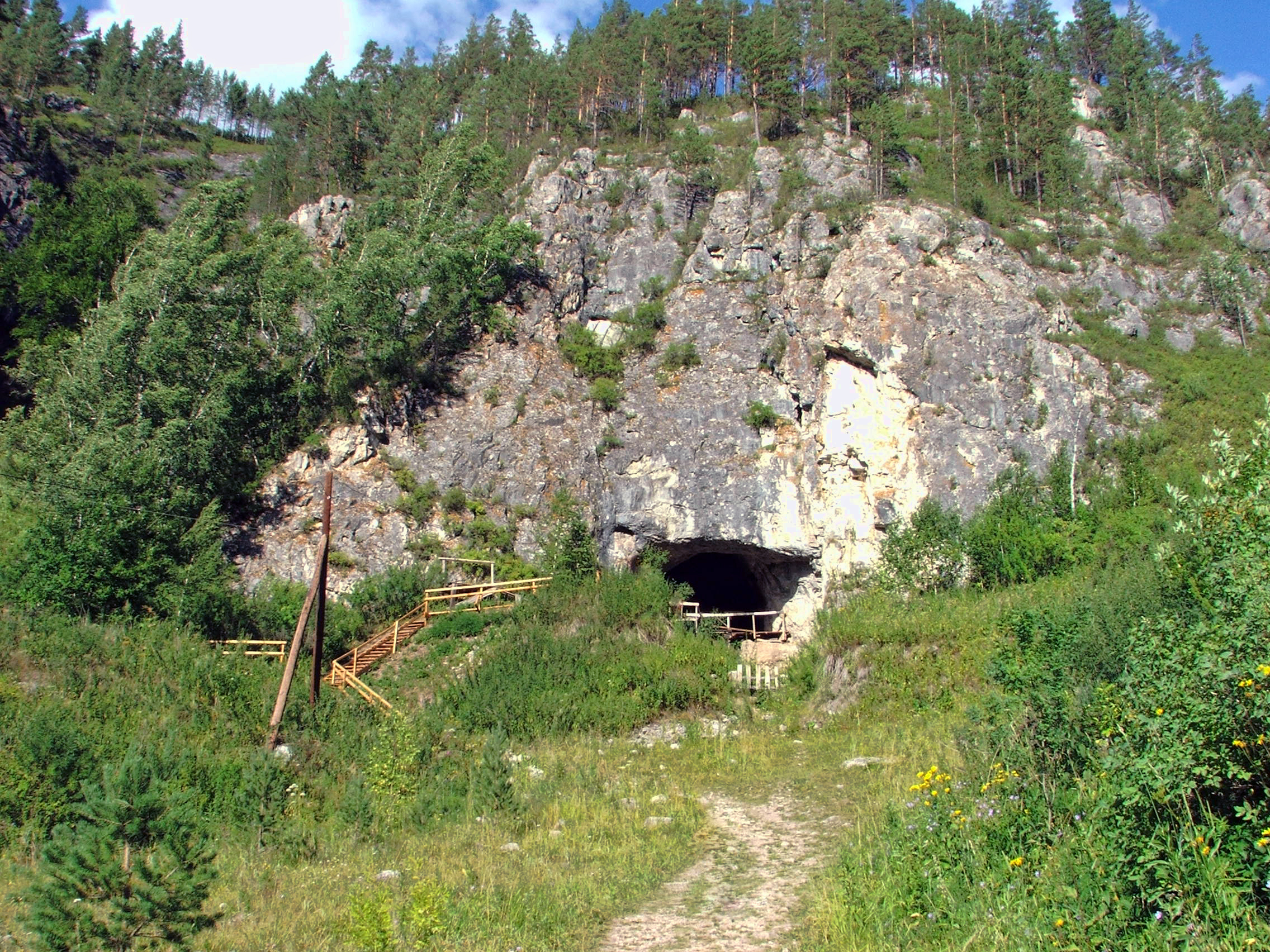 Can you tell who lived in a cave without finding a single bone there?ancient DNA