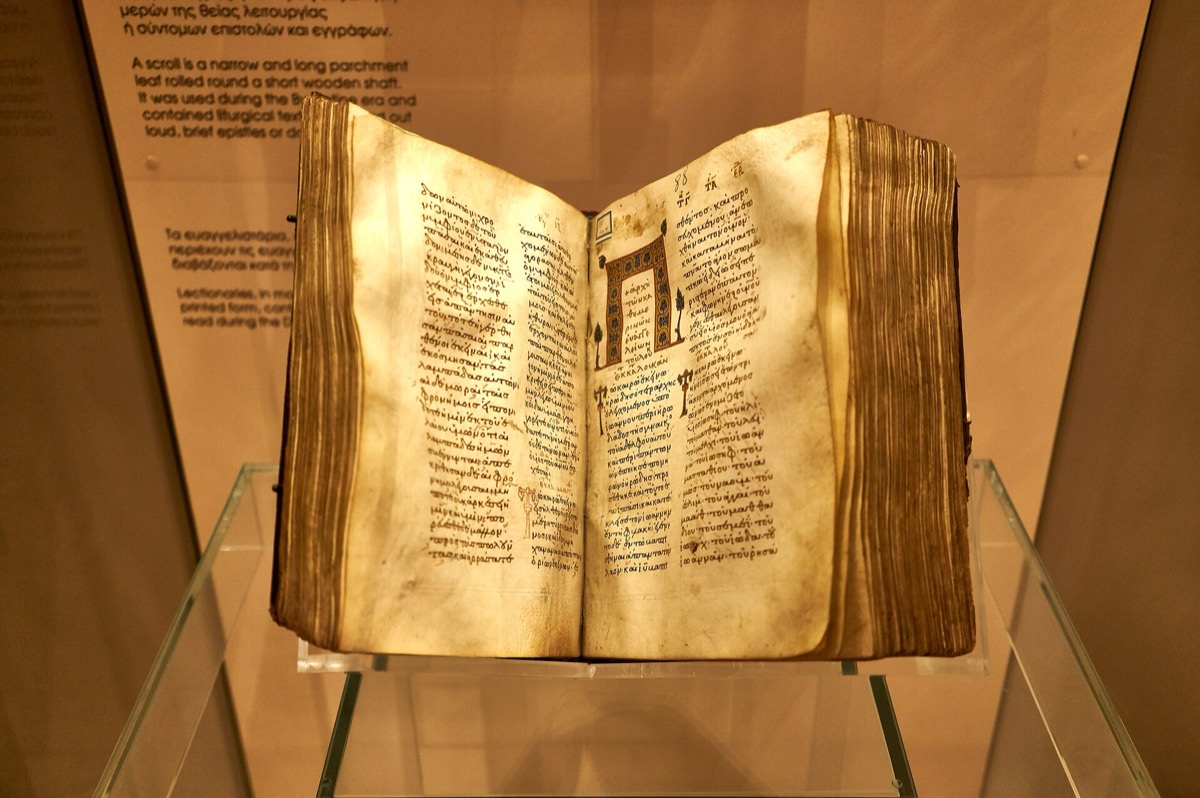
A manuscript is read for its text, and the page it is written on is an animal. carries biological material from the herd it came from, from the people who made the book and from everyone who has handled it since. A field guide exists for getting at it. What is in there?
A second record, running alongside the words. , the study of the biological information stored in manuscripts, can reveal information about book production, , , conservation and the historic use of the object. The authors offer their review as a catalyst for work between heritage scientists, manuscript scholars, curators and conservators.
Biocodicology is the study of the biological information stored in manuscripts, and it offers the possibility of interrogating them in novel ways. The object does not change; what changes is which of its properties count as evidence.
The biological data associated with parchment documents adds a deeper level of understanding and interpretation to these objects. It can reveal information about book production, livestock economies, handling, conservation and the historic use of the object.
The paper is written as a field guide, which tells you something about where the discipline sits. The authors hope that as biotechnological methods continue to improve, biocodicology will become highly relevant in manuscript studies, contributing an additional perspective to current scholarship.
They also say what they want the review to do. It is offered as a catalyst for further interactions between the heritage science community, manuscript scholars, curators and conservators. That is the group that has to agree before anybody samples a medieval book.
wat. The page is an animal skin, and it remembers the herd, the workshop and the readers.
wat wat
Most of what survives from the Middle Ages is books, and this turns each one into an archive of the economy and the hands around it.
How do we know?
Fiddyment and colleagues wrote a field guide to the biological analysis of parchment, setting out the methods, what each one can establish, and how biotechnological improvements keep changing the answer.
What is still unknown
This is a review and a guide rather than a result, and what any given manuscript yields depends on its material, its handling and its conservation history.
Learn something?
Where to next
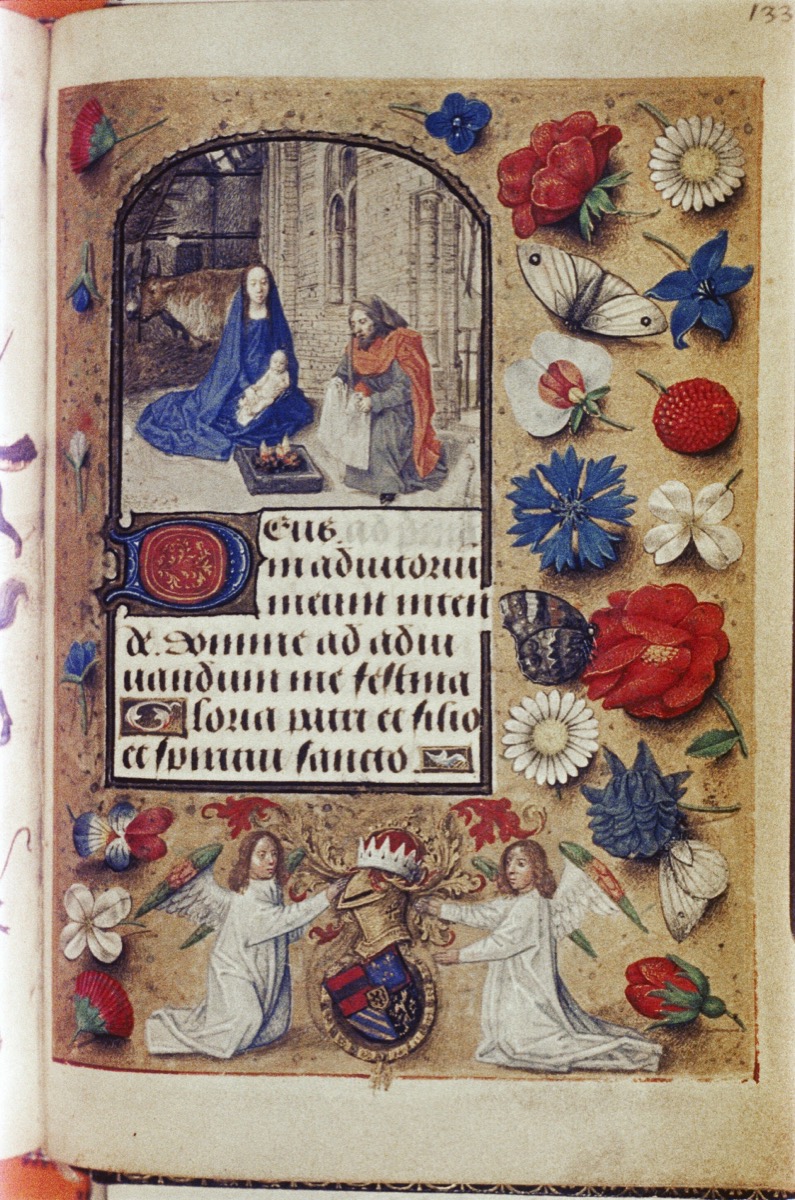 How did a blue stone in a nun’s teeth change what we knew about manuscripts?manuscripts
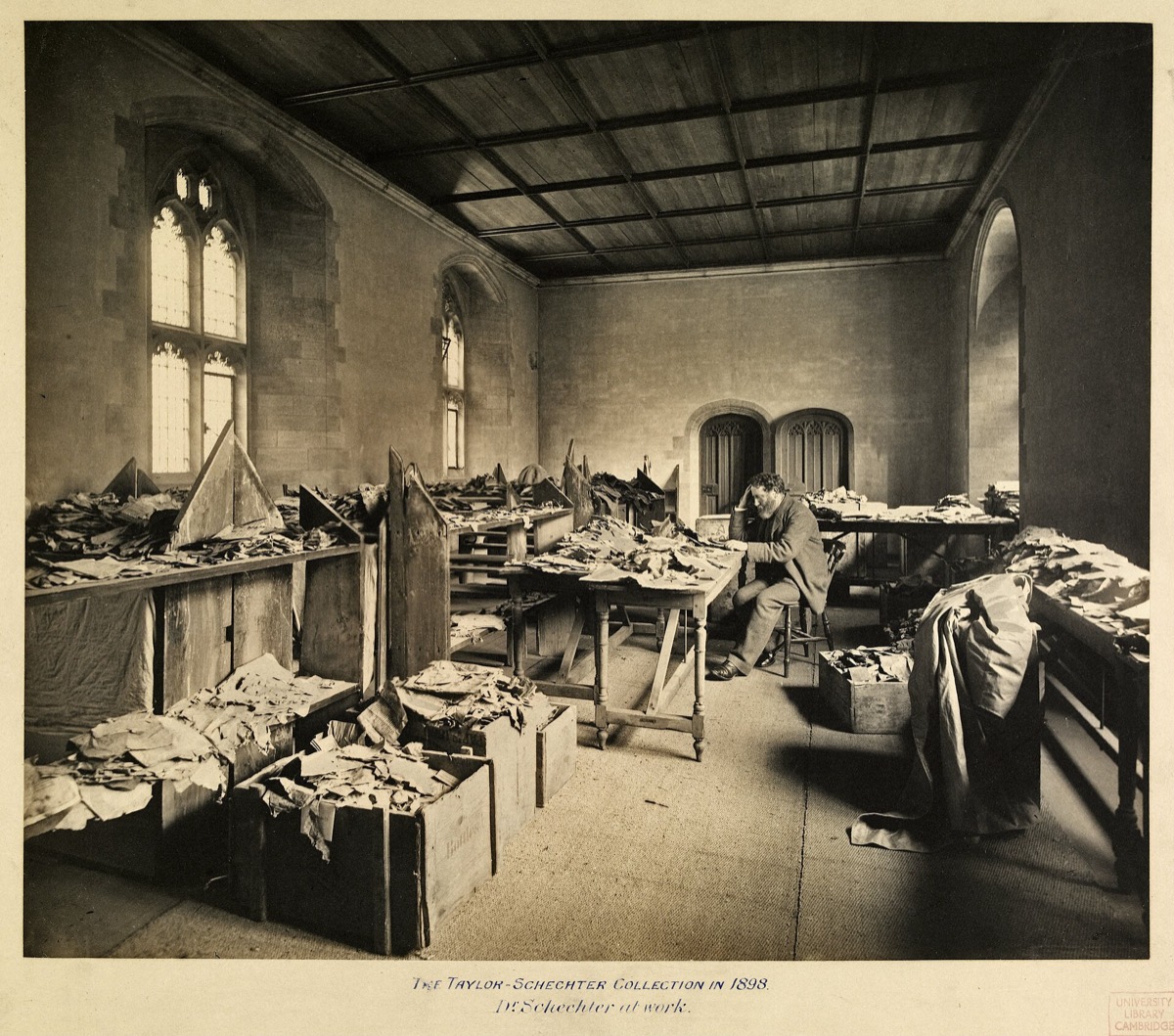 How do scraps of paper from a synagogue reveal whole lives?manuscripts
 What is the oldest yellow paint anybody has identified?heritage science