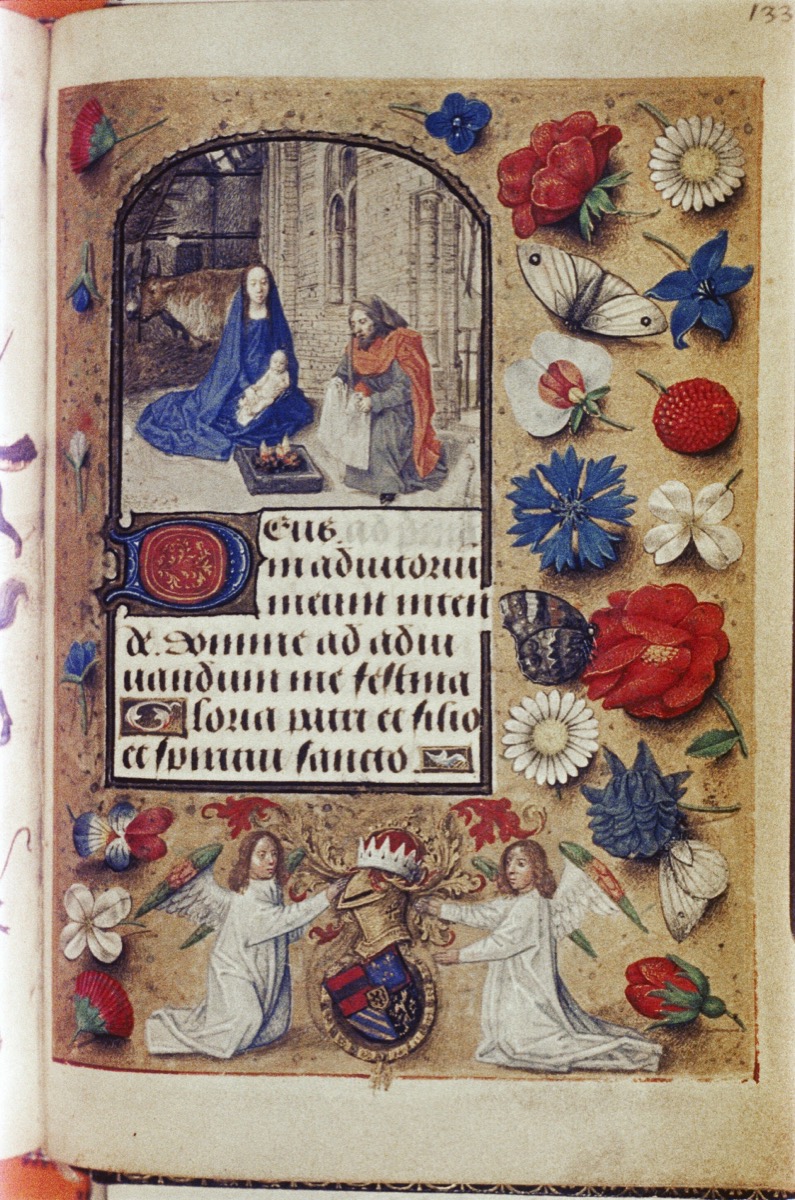
Ultramarine is an intense blue extracted from , which at the time was mined in Afghanistan alone and cost as much as gold. Its use was reserved for the most luxurious manuscripts. And then grains of it were found in the on a woman’s teeth. How did they get there?
Curiosity counts. Here is the answer.
The pigment itself, trapped in the calculus on the teeth. Grains of lapis lazuli were caught in the layers of calculus over years, most likely because the woman pointed the tip of her brush with her lips again and again. Other explanations were tested and ruled out: kissing an illuminated manuscript or medicinal use of the stone would not have produced that kind of distribution through the layers. This matters because the names of women illuminators were almost never recorded and signatures in the margins are rare; the evidence came from exactly the direction nobody thought to look.
She was painting. Researchers examining calculus, the layer of minerals that builds up on teeth and traps particles from the mouth, found grains of lapis in it. The woman was buried at in the 11th century. The most plausible explanation is that she to point it, which is to say she illuminated manuscripts herself.
Most medieval manuscripts are unsigned. Among those that are, women’s names are very rare, and the conclusion drawn from that was that the work was done mainly by men. That conclusion rests on what survived, and it is exactly the kind of inference a single physical find can unsettle.
In an examination of calculus from the teeth of a woman buried at the monastery in Dalheim, blue grains were found. Methods that determine mineral composition established that this was lapis lazuli, and not a cheaper blue pigment in wide use.
The distribution decided it. The grains were not in one layer but spread through layers built over years, which means the exposure was repeated and sustained. The explanation left standing is that the woman pointed the tip of her brush with her lips again and again, which is to say she painted, and in the most expensive material available.
The caveat is that this is one person. The find proves this woman came into repeated contact with the pigment; it does not teach how many women did so, on what scale, or whether it was their main work. What it does change is the burden of proof: the assumption that women did not illuminate expensive manuscripts is no longer a default anyone can lean on without evidence.
wat. One woman buried at a monastery a thousand years ago carried the world’s most expensive pigment in her teeth, which changed who counts as an illuminator.
wat wat
Most medieval manuscripts are unsigned, and the default assumption was that men in monasteries produced them. One find in a tooth moved women from the margins to the workbench.
How do we know?
The grains were identified with analytical methods that determine mineral composition, and alternative explanations such as kissing an illuminated manuscript or medicinal use were ruled out. The distribution of the grains through the layers of calculus fitted repeated exposure over years.
What is still unknown
This is a find from one person. It proves this woman came into repeated contact with the pigment, and it does not teach how many women did such work or on what scale.
Learn something?
Where to next
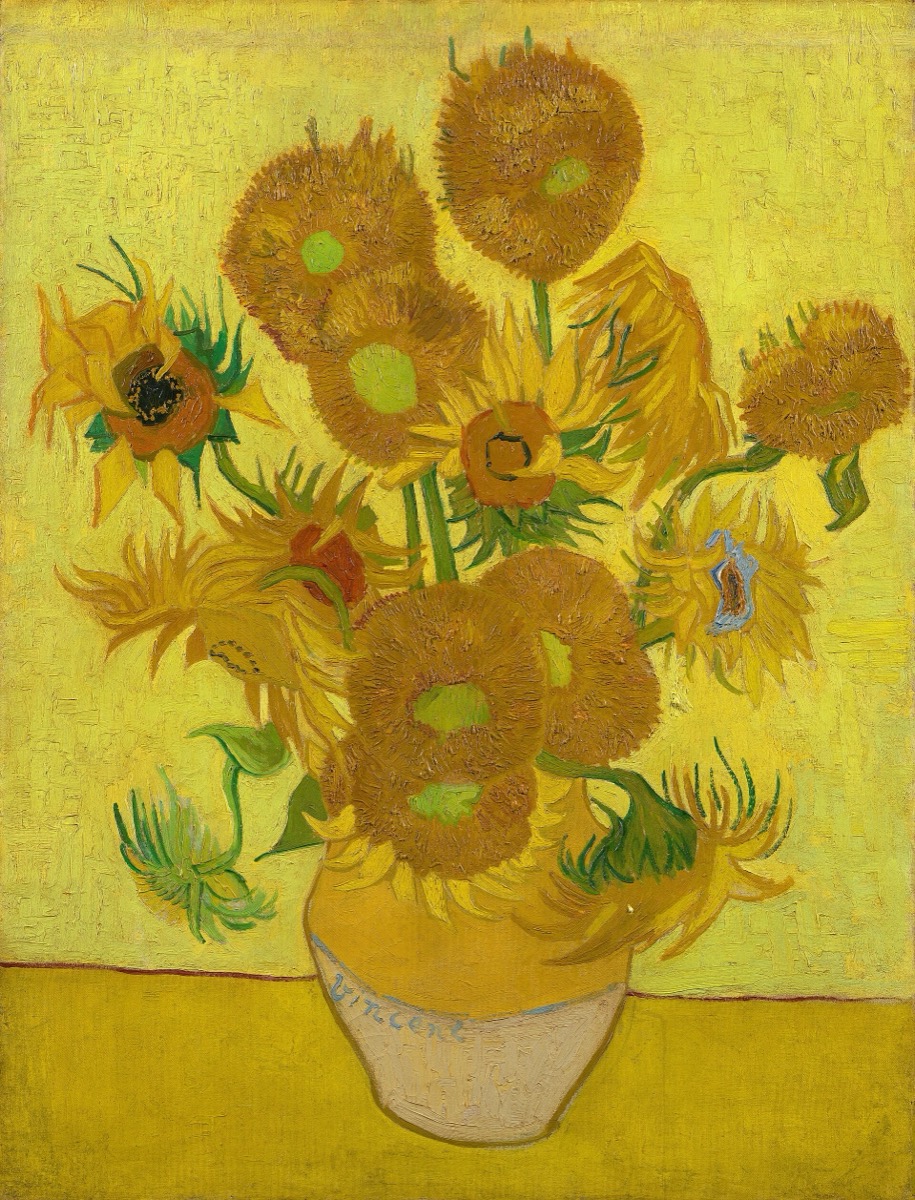 Why is Van Gogh’s yellow turning brown, and why can it not be brought back?pigment
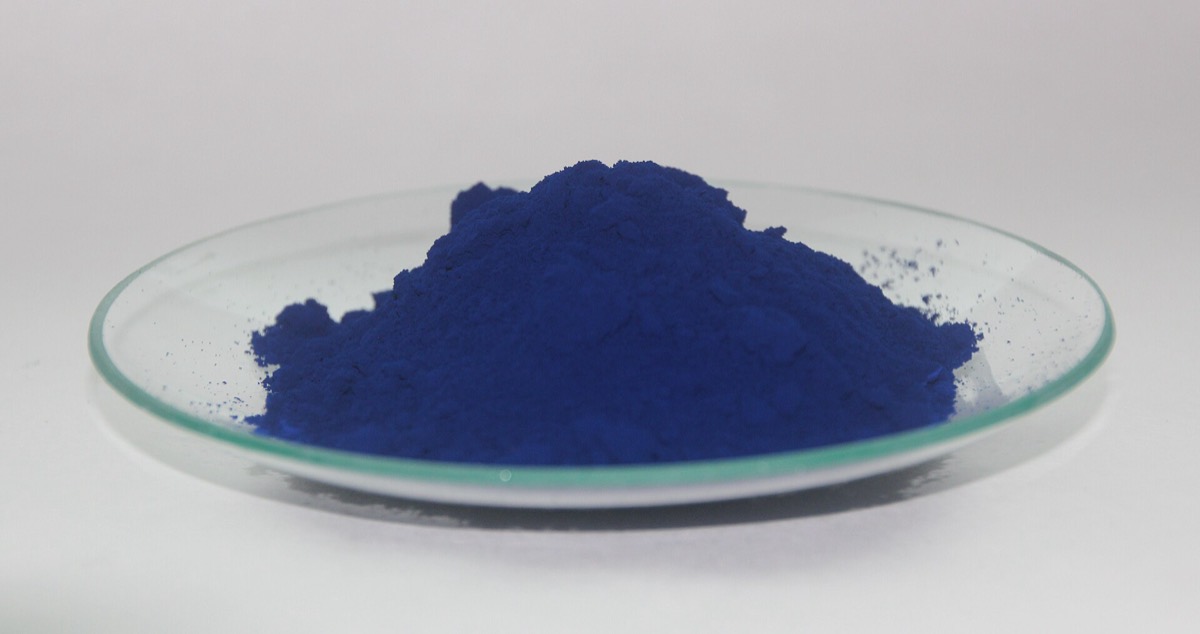 How did a color experiment in Berlin create a blue painters had never known?pigment
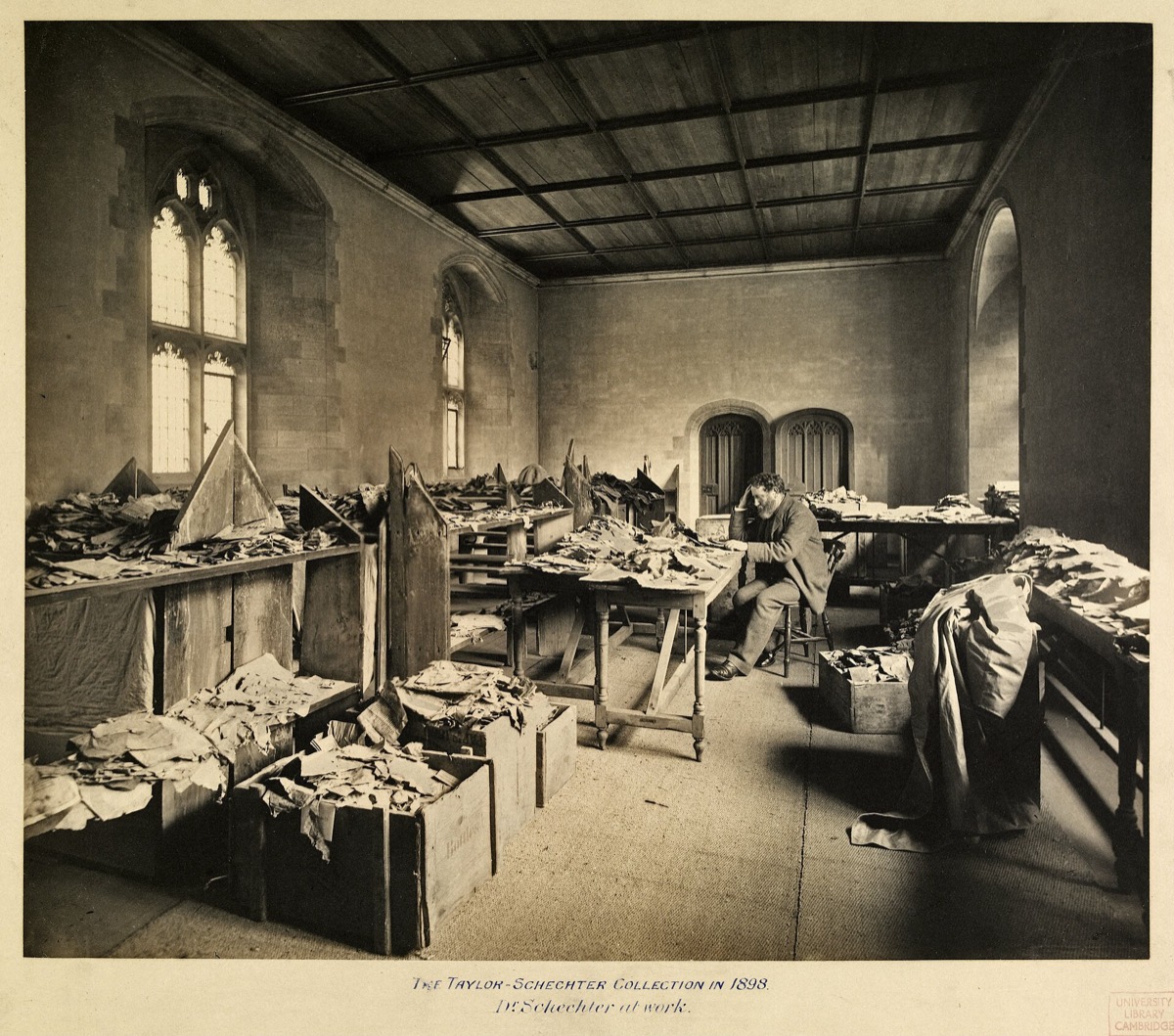 How do scraps of paper from a synagogue reveal whole lives?manuscripts