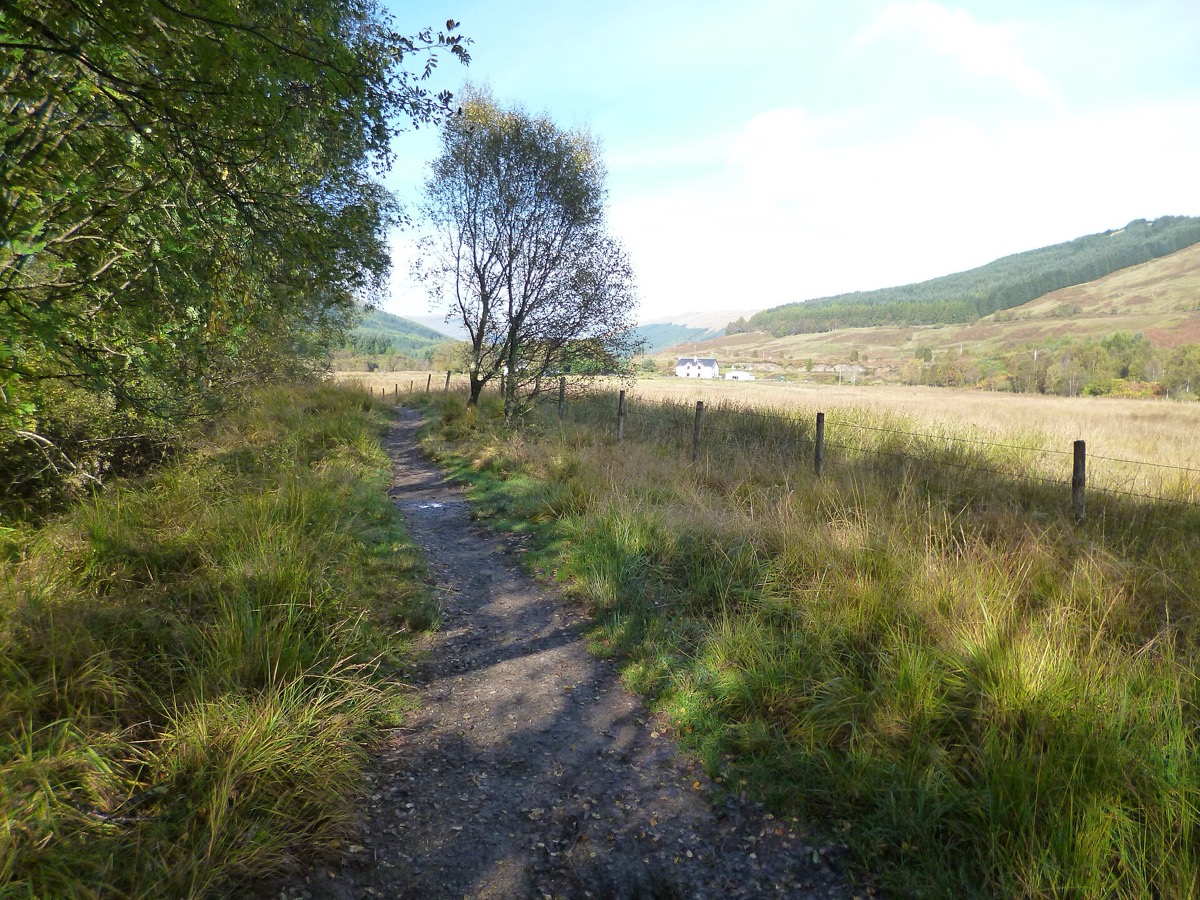
People finish a long-distance route saying it did them good, and that report is usually left as a report. The framework breaks the vague claim into five nameable things: connect, be active, take notice, learn, give. Munro and colleagues interviewed walkers on the as they walked it, in place rather than afterwards, and coded what they said against those five. Which ones actually show up?
All five, each with its own source on the trail. Walkers put the benefit down to social connections along the route, to meeting a physical challenge, and to the mental state of being present in nature. They also named learning through cultural heritage, and support given and received among walkers. The researchers also note what is absent: information needs are low, and carries the experience.
People come off a long-distance route saying it restored something, and that claim usually stays as impression. Munro and colleagues went after it on the West Highland Way, using the Five Ways to Wellbeing framework to give the vague good feeling five separate names it could be tested against.
The method is ethnographic and the timing matters. Walkers were recruited and interviewed in situ, as they walked, rather than reconstructing the experience later. Reflexive thematic analysis then coded what they said against connect, be active, take notice, learn and give.
Every pathway turned up with its own source. Social connections formed along the route. Accomplishment came from meeting a physical challenge, and a positive mental state from being present in nature. Learning came through the cultural heritage the path passes, and support was given and received among fellow walkers.
The study is framed through , and the findings there cut against the usual direction. Social sharing of information enriches the experience, but low information needs and embodied sensory information are what the mental wellbeing benefits rest on. Walking the route is described as a higher thing, a memorable experience set against ordinary life, and part of what makes it so is having very little left to find out.
wat. The relief is not the scenery alone. It is five different things at once, and having almost nothing you need to look up.
wat wat
Naming five separate pathways turns a long walk from something you either enjoy or do not into a set of ingredients that a route, or a person planning one, can deliberately include.
How do we know?
Munro, Innocenti and Dunlop recruited West Highland Way walkers and interviewed them in situ while walking, then coded the interviews by reflexive thematic analysis against the Five Ways to Wellbeing.
What is still unknown
An ethnographic study of walkers on one Scottish route, self-selected by being there. It describes what people attribute their wellbeing to, not what caused it, and the sample is small by design.
Learn something?
Where to next
 Why do so many people put food out for garden birds?wellbeing
 Does a park make people happy, or do happy people choose the park?nature
 What is an outdoor guide actually arranging, besides the canoe?wellbeing