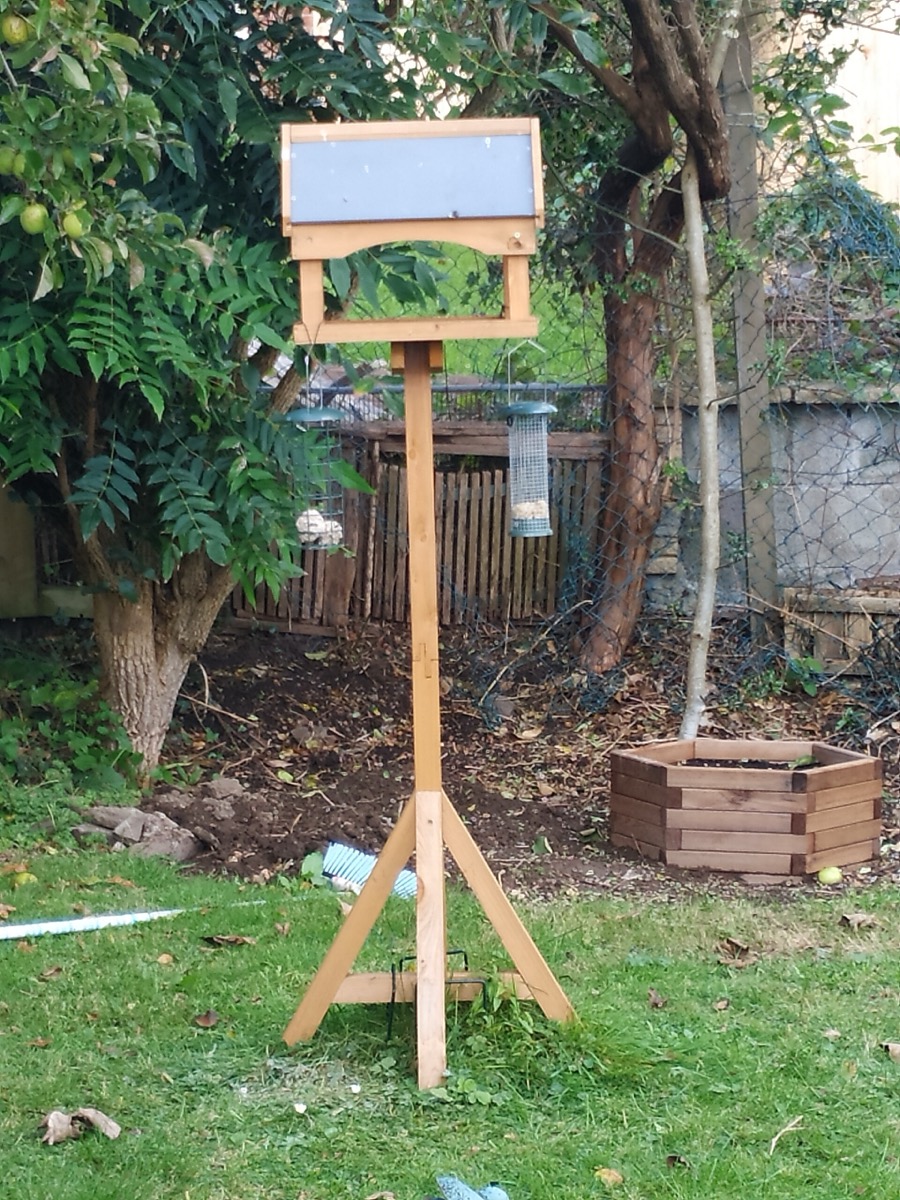
Feeding garden birds is a global habit on a scale that moves real quantities of seed, and it is one of the few routine contacts many urban households still have with wild animals. Why people do it has stayed poorly understood. Cox and Gaston surveyed households in urban towns in southern England against three candidate motivations: psychological benefit, concern for , and a general orientation toward nature. Which one drives it?
The feelings, more than the birds. People who fed birds regularly reported feeling more relaxed and more when watching them, and those two were the strongest drivers in the survey. Respondents did also believe feeding benefits bird welfare, and reported putting time into minimizing the associated risks. A wider orientation toward nature appeared as well, but it came in behind the psychological benefit.
As people live more urbanized lives, contact with the natural world thins out, which reduces the benefits nature provides and discourages behavior that would protect it. Putting food out for garden birds runs against that trend, and it is an increasing global phenomenon.
Despite the popularity, why people do it has remained unclear. Cox and Gaston set out three loosely defined motivations to compare: that feeding brings psychological benefits, that it comes from concern about bird welfare, or that it expresses a more general orientation toward nature.
They surveyed households in urban towns in southern England, with each household scoring three tied to each motivation. That structure lets the three be weighed against each other rather than each being confirmed on its own.
People who fed birds regularly felt more relaxed and more connected to nature while watching them, and those feelings came out as the strongest drivers. Respondents also perceived as beneficial for bird welfare, and reported investing time in minimizing the risks that come with a feeder. Feeding may additionally express a wider orientation toward nature. As urban expansion continues to threaten species and to cut people off from them, a habit motivated this way is doing two jobs at once.
wat. People are not mainly feeding the birds. They are buying ten quiet minutes at a window, and the birds come with it.
wat wat
If the pull is relaxation and connection rather than conservation, then bird feeding works as a route back into contact with nature, which is the thing urban life keeps removing.
How do we know?
Cox and Gaston surveyed households in urban towns in southern England, with each household scoring three Likert statements for each of three proposed motivations for feeding garden birds.
What is still unknown
Self-reported attitudes from households in one region of one country, and a survey measures what people say motivates them rather than what does.
Learn something?
Where to next
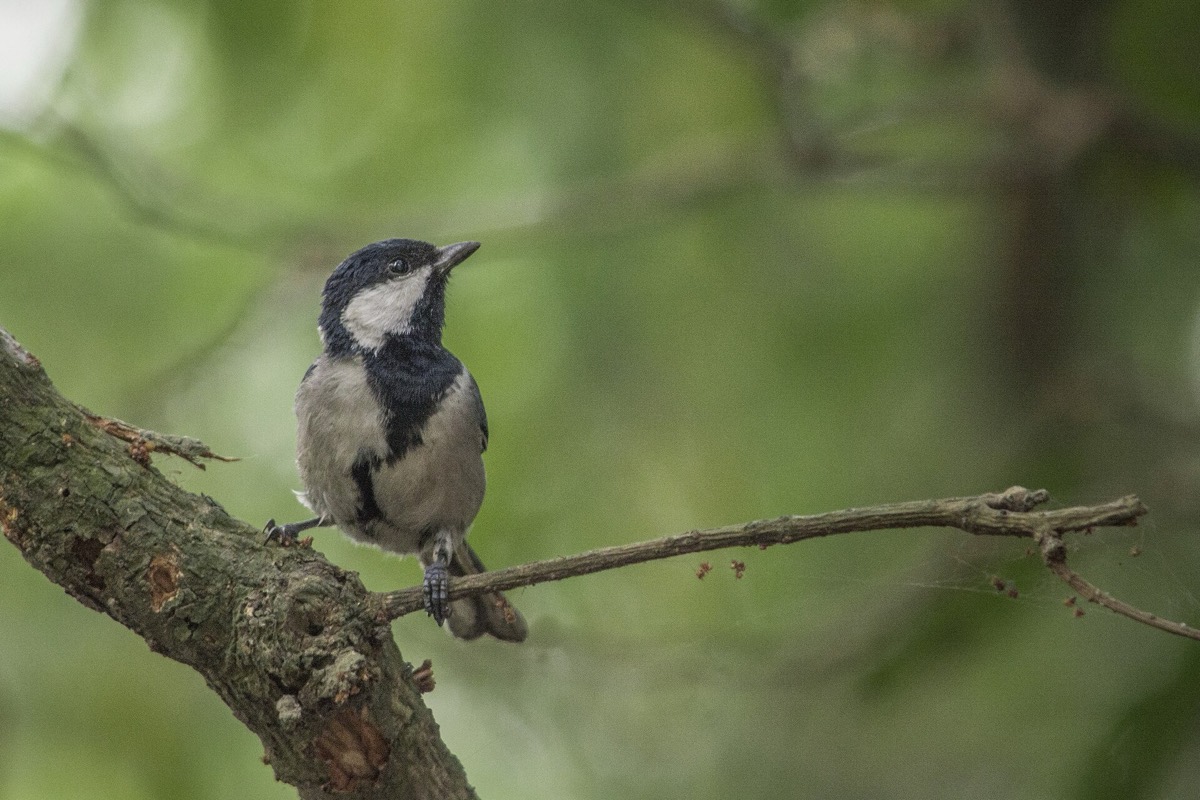 Why do city birds sing at a higher pitch?birds
 What decides where billions of migrating birds come down to rest?birds
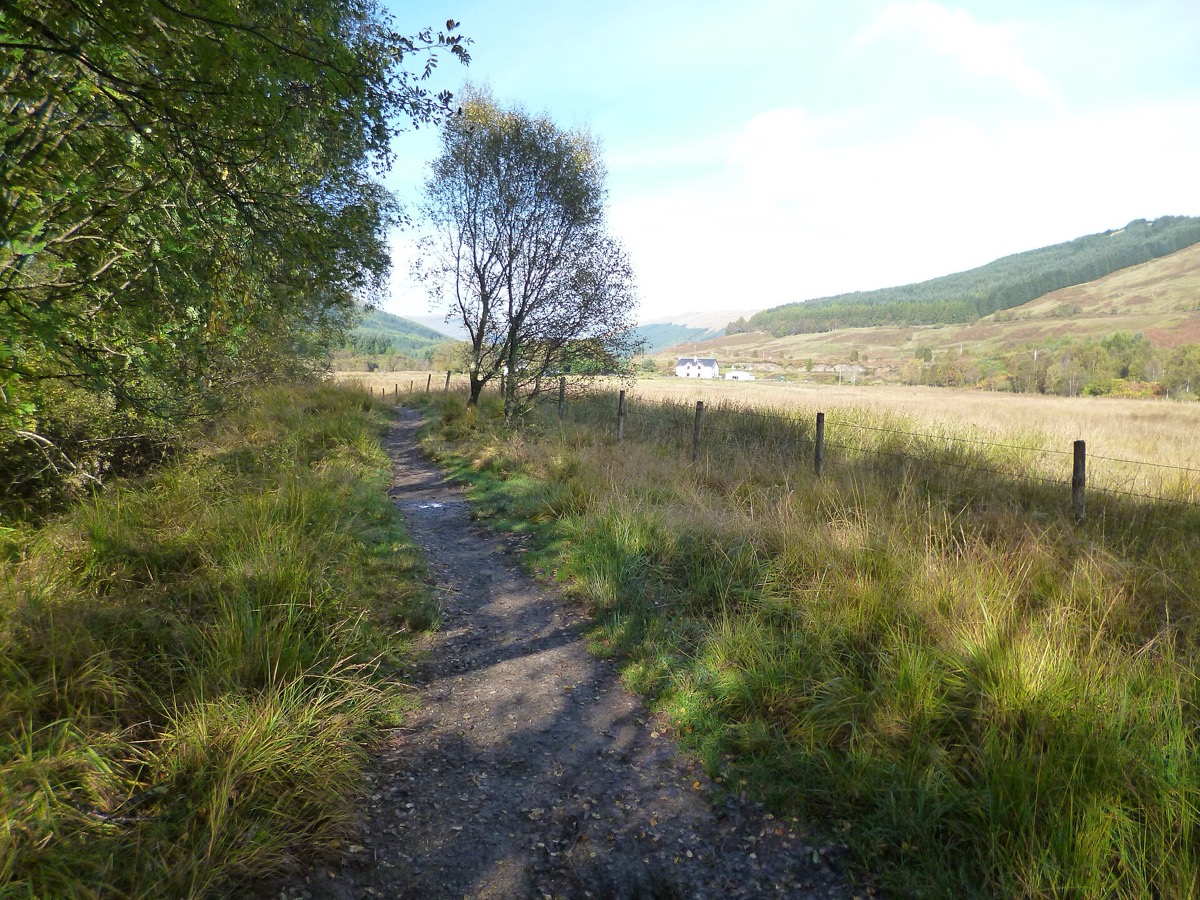 What exactly does a long walk give the person walking it?wellbeing