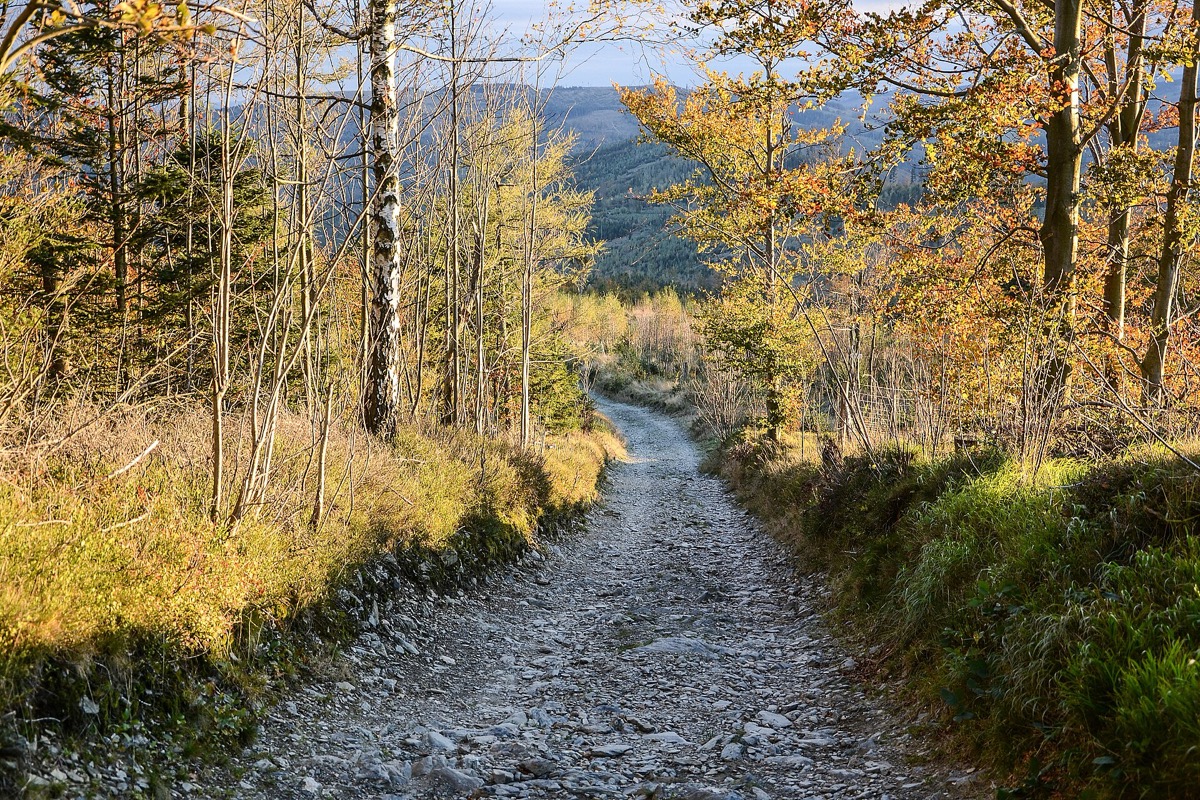
When visitors to a park report feeling good, there are two possibilities: nature helped them, or people who already feel good are the ones drawn to nature in the first place. Interviews in Australia put the question to the visitors themselves. What did they say, and what is it worth?
They chose the first answer, and that settles less than it sounds. Among in Australia, 82% picked the explanation that the visit improved their state, 87.5% described a short-term benefit and 60% a recovery from stress. Those figures describe an experience rather than a causal test, since stays open: nobody was assigned to a park or kept away from one.
The interesting move here is that the direction of the link became the question, instead of an assumption that every correlation means nature did the work.
A large majority described an immediate benefit, fewer described a moderate recovery, and only a fifth described a lasting change in how they see the world.
That decline across the time scale fits the possibility that a good experience fades. But these are the participants’ own estimates of their own past states, which is a weak instrument for anything lasting.
A stronger design would add a : assign people to a park, to a city and to another activity, and take a reading before and after. Until then the honest summary is that many travelers felt the park helped, and reverse causation stays open.
wat. Many travelers felt the park had helped them, and the design cannot show that the park alone caused the improvement.
wat wat
A personal report can identify a meaningful experience, and health planning has to separate feeling, choice and cause.
How do we know?
A researcher interviewed 238 nature and adventure travelers in subtropical parks and asked about the direction of the link and the perceived duration of the effect.
What is still unknown
The sample consisted of people who had already chosen a nature trip; there was no control group and no objective measure of mental state over time.
Learn something?
Where to next
 Why does telling a festival story together change the memory of it?travel
 Why do so many people put food out for garden birds?wellbeing
 What exactly does a long walk give the person walking it?wellbeing