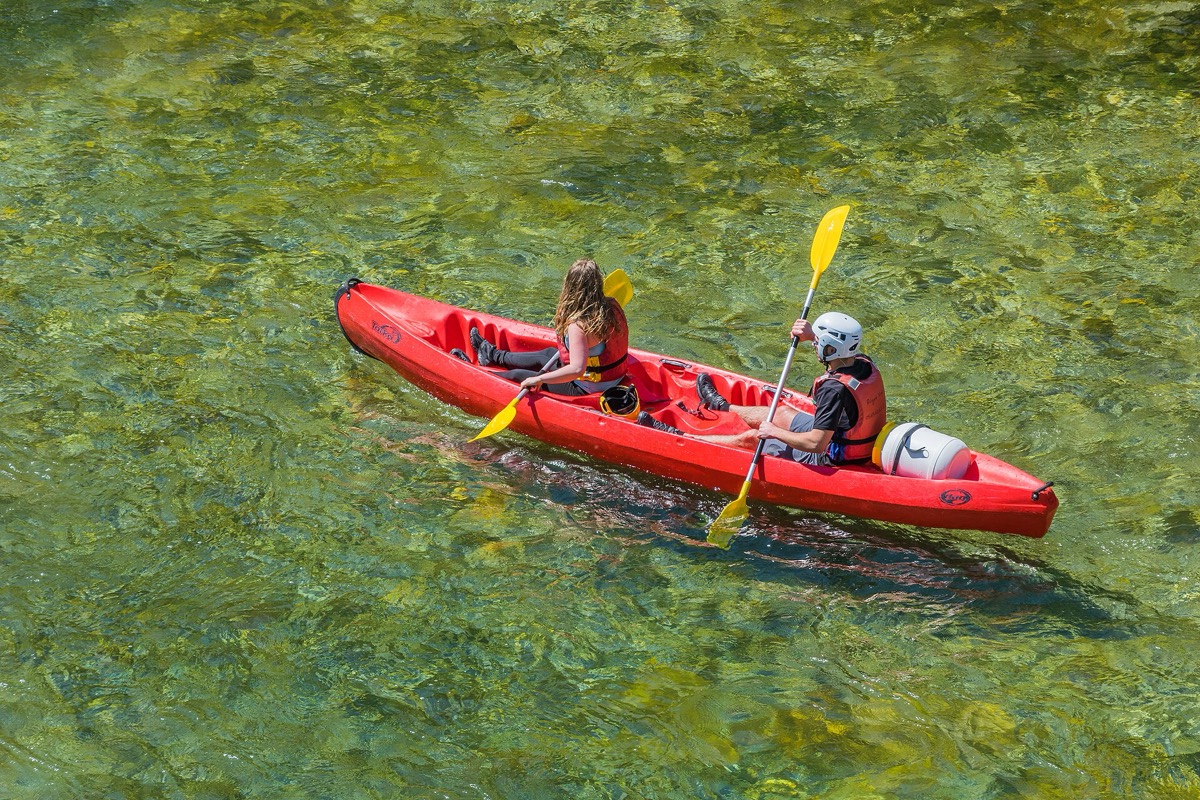
means canoeing, stargazing, foraging: activities marked by a slower passage of time, immersion in the natural world and belonging to a small group. A guide takes people into that, and the usual account of the job is logistics and safety. Farkic, Filep and Taylor asked ten guides in the Scottish Highlands and Islands what they think they are doing.
Choreographing the conditions for wellbeing. The guides described shaping three things deliberately: how time is perceived, where meaningful moments fall, and the sense of in the group. Through those, they work to help visitors re-establish a connection with nature that the authors describe as much-yearned-for, which makes the guide a designer of experience rather than an escort.
The paper sits against the United Nations Sustainable Development Goal for good health and wellbeing, and takes a narrow question out of it. How do outdoor guides see their own role in supporting the psychological wellbeing of tourists on slow adventure experiences?
Slow adventure is defined by its pace and its setting. Canoeing, stargazing and foraging all share a slower passage of time, immersion in the natural world, and a sense of belonging to small social groups. The research is grounded in wellbeing as positive psychology frames it, which is what makes the guides’ own perceptions the relevant evidence.
Ten outdoor adventure guides in the Scottish Highlands and Islands sat for semi-structured, in-depth interviews. The transcripts were then analyzed through a interpretive approach, producing themes rather than measures.
Three elements came out as the material the guides work with: perceptions of time, meaningful moments, and a sense of togetherness, all choreographed through the immersive guided experience. The stated aim running through them is helping tourists re-establish a much-yearned-for connection with nature. The authors offer this to the tourism, wellbeing and sustainability literature as a view of how mindful and visitor experiences get organized in natural settings.
wat. The canoe is not the point. The guide is arranging time, attention and company, and the canoe is what that arrangement rides on.
wat wat
It locates wellbeing in how an experience is organized rather than in the activity itself, which is a claim anyone designing anything experiential has to take seriously.
How do we know?
Semi-structured, in-depth interviews with ten outdoor adventure guides in the Scottish Highlands and Islands, with the transcripts analyzed through a hermeneutic interpretive approach.
What is still unknown
Ten guides, in one region, reporting their own perceptions of their role. Nothing here measures what tourists actually felt, so the wellbeing is the guides’ account of it.
Learn something?
Where to next
 Does a park make people happy, or do happy people choose the park?nature
 Why do so many people put food out for garden birds?wellbeing
 What exactly does a long walk give the person walking it?wellbeing