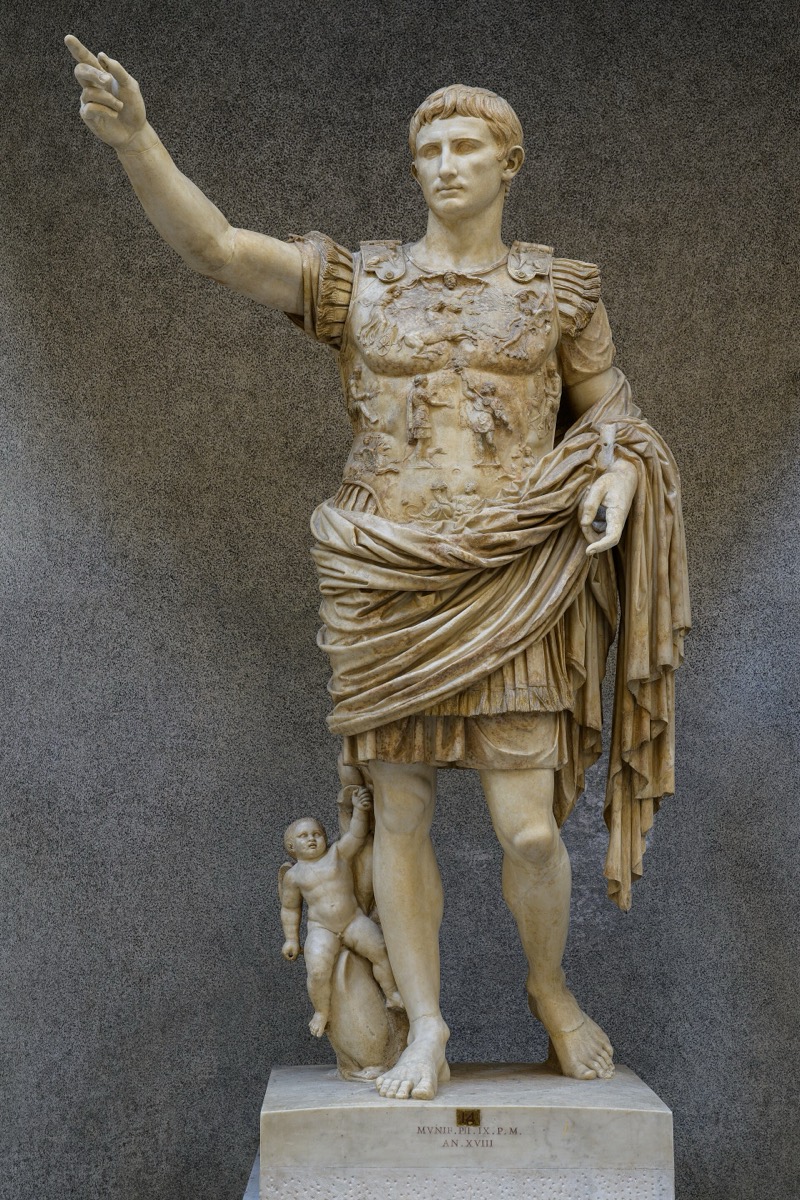
Ancient sculpture was painted, and what survives on the marble is often invisible to the naked eye. finds those traces, and the two pigments that matter most, and , each needed a different technique, a different lamp and a different setup. That is the problem addressed here.
With one lamp instead of two. The authors propose combining visible-induced infrared luminescence with visible-induced visible luminescence to locate both pigments, since the illumination source is the same in both cases. That replaces the conventional pairing, which needs two techniques, two lamps and two acquisition setups to map the same two pigments.
Photo-induced luminescence imaging techniques, including ultraviolet-induced visible luminescence and the more recent visible-induced infrared luminescence, have been invaluable for the study of ancient . They detect and map varnishes, consolidants, organic binders and traces of pigments that are often not visible to the naked eye.
Two pigments carry much of that work. For material from the Hellenistic period onwards, the detection of Egyptian blue and of rose madder lake has been particularly pivotal in advancing the field.
The practical problem is equipment. Conventional methodologies for digitally mapping these two luminescent pigments rely on applying two techniques separately, each requiring a different illumination source and acquisition setup.
The proposal is to combine visible-induced infrared luminescence with visible-induced visible luminescence to locate both, since in both cases the source of illumination is the same. The contribution is technical rather than archaeological, and it changes what a modest lab can look for.
wat. Egyptian blue and rose madder lake glow under light, and one lamp can now find both.
wat wat
What we know about ancient color depends on which traces anybody can detect, so a cheaper method changes the record.
How do we know?
Dyer and Sotiropoulou set out what the existing luminescence methods detect, then show the combined approach working as a technical step forward for digital mapping of the two pigments.
What is still unknown
This is a methodological advance for mapping two specific pigments, not a survey of how much color survives on any particular sculpture.
Learn something?
Where to next
 What did Leonardo put down before he painted the Mona Lisa?pigments
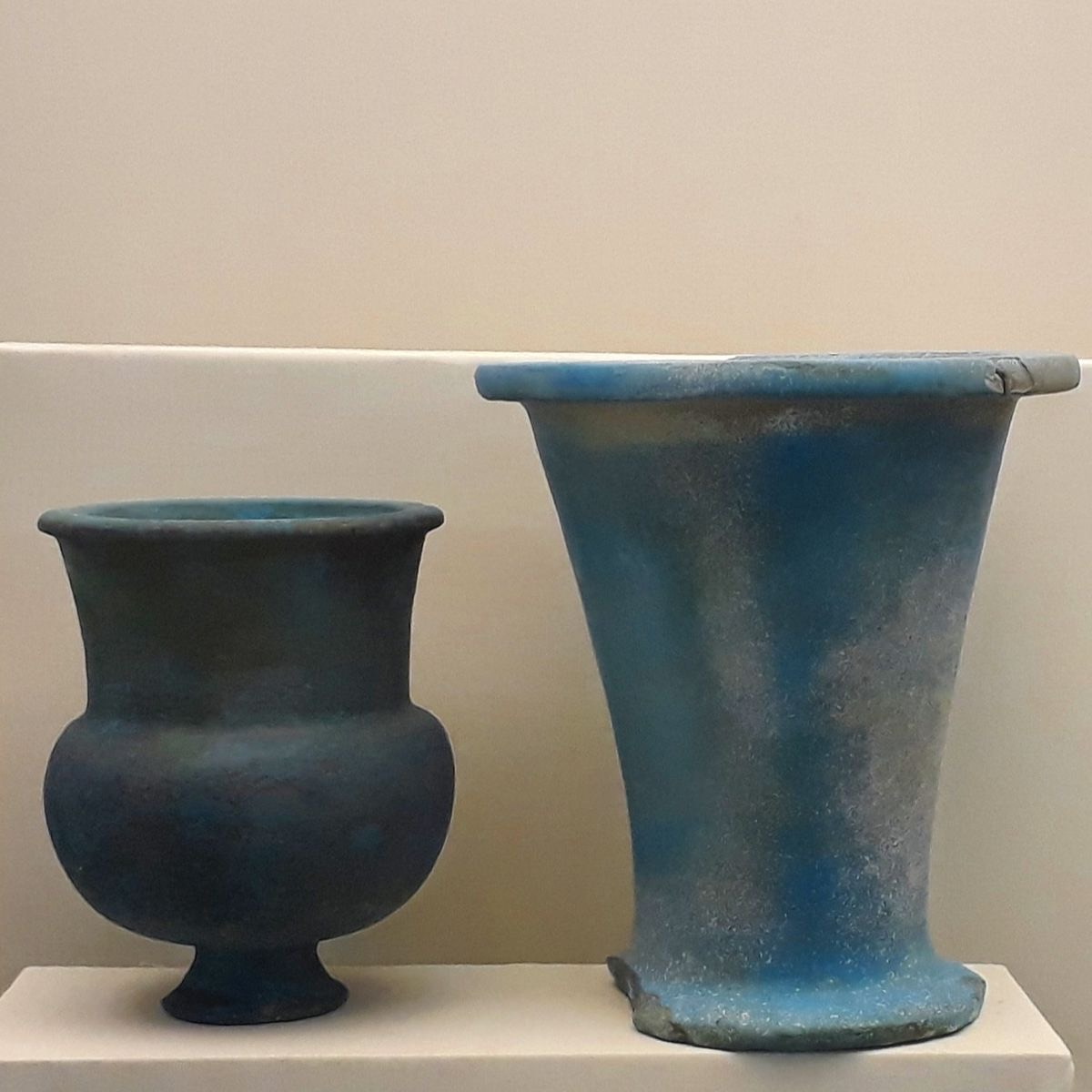 How do you find a color that has worn away?pigments
 What is actually fading The Scream?pigments