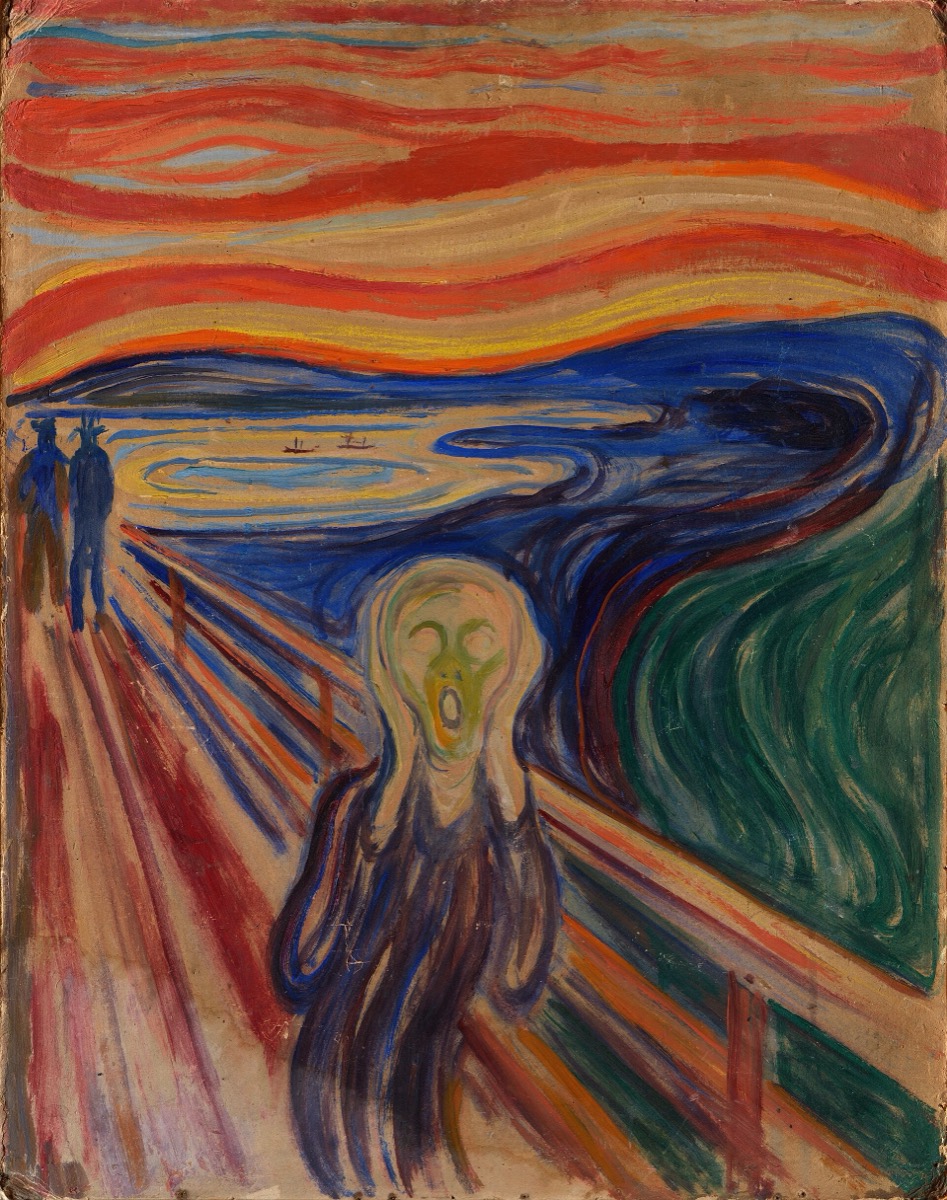
The 1910 version of Munch’s painting in Oslo is losing its cadmium yellow, and a museum’s first instinct with a fading picture is to cut the light. The chemistry of why these paints break down was still poorly understood. So what is doing the damage?
Water in the air, mostly. The original paint is turning into and sulfites. Moisture and compounds are the key factors driving that oxidation, and light plays a less important role. Humidity also dissolves and recrystallizes soluble phases inside the paint.
The degradation of cadmium sulfide oil paints threatens the 1910 version of The Scream in the Munch Museum in Oslo, and the phenomenon was still poorly understood when this work began. What a conservator needs is not the fact of the damage but its cause.
The approach worked at two length scales. Noninvasive spectroscopy covered the painting in place, while synchrotron radiation x-ray microspectroscopy went into a microsample and into artificially aged made to the same recipe.
The alteration products are cadmium sulfate and sulfites, formed by oxidation of the original paint. Moisture and mobile chlorine compounds are the key factors promoting that reaction, and photodegradation from light plays a less important role than expected.
Humidity does a second kind of damage as well. Under exposure to it, water-soluble phases of the paint dissolve, migrate through the layer and recrystallize, which is associated with the formation of the cadmium sulfates. The control that matters most in that room is the hygrometer.
wat. Moisture and chlorine, not light, are what turn the cadmium yellow in The Scream into a pale crust.
wat wat
Conservation decisions follow the mechanism, and a room kept dark but damp protects nothing here.
How do we know?
Monico and colleagues combined macroscale noninvasive spectroscopy on the painting itself with synchrotron x-ray microspectroscopy of a microsample and of artificially aged mock-ups.
What is still unknown
This covers the cadmium sulfide paints in one painting, with the aging reproduced in mock-ups rather than observed over a century.
Learn something?
Where to next
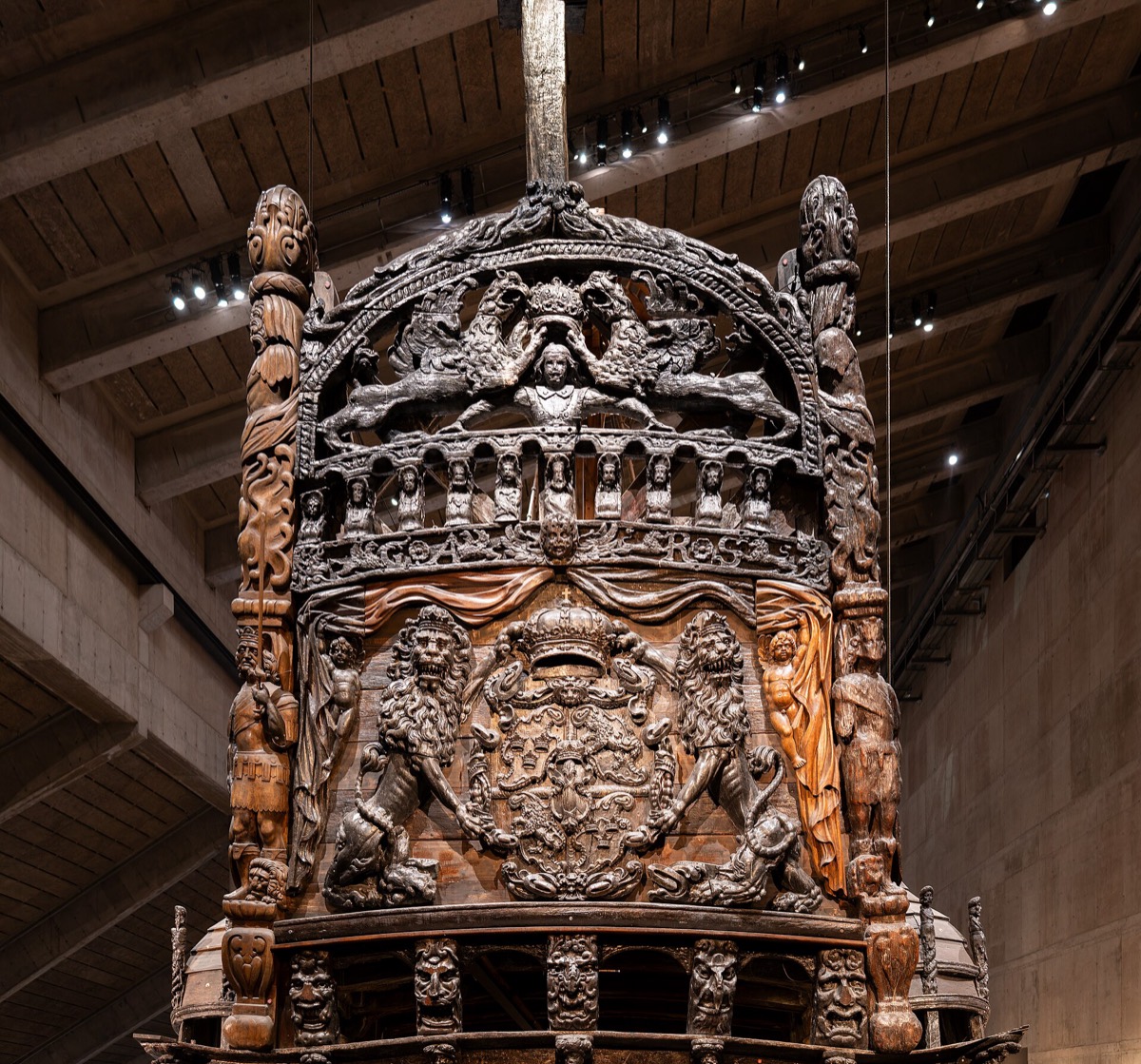 Why is a ship that survived three hundred years in water falling apart on land?conservation
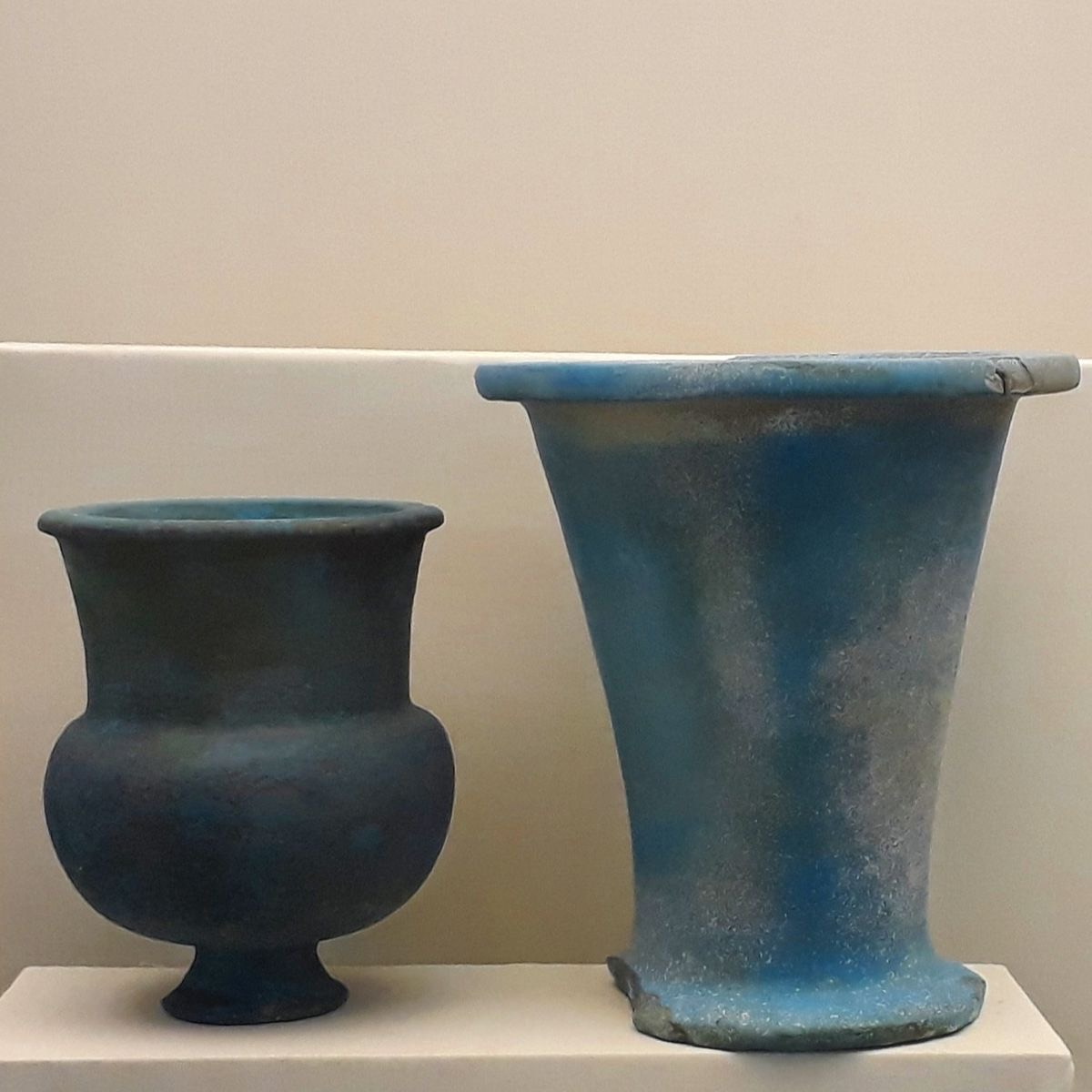 How do you find a color that has worn away?pigments
 How do you read a sealed letter without opening it?conservation