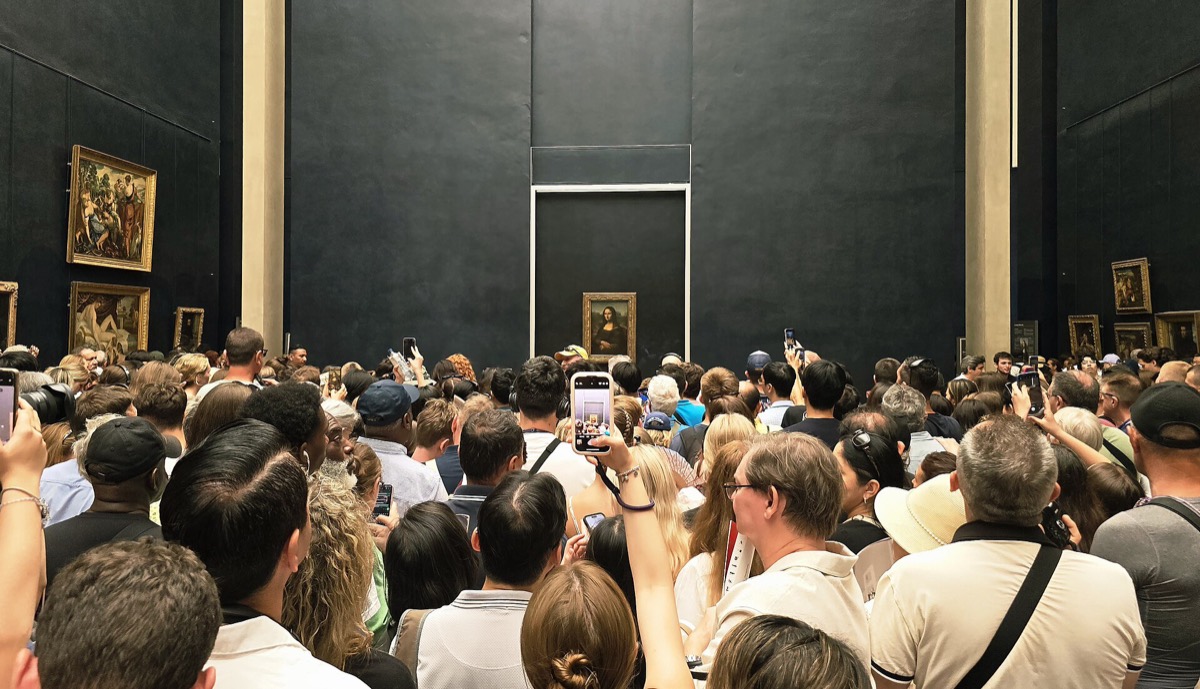
Under the paint of any panel painting sits a , the preparation that covers the wood. For the Mona Lisa that layer had never been analyzed, because getting a sample from it is not something anybody does lightly. One exceptional microsample went to a synchrotron.
A recipe with an unusual chemical signature. The ground is a strongly with high lead content and a lead white depleted in cerussite, and it contains , a rare compound stable only in an alkaline environment. That points to Leonardo treating the oil with a heavy load of lead oxide to make a thick paint for covering the panel.
An exceptional microsample from the ground layer of the Mona Lisa went to high-angular-resolution synchrotron X-ray diffraction and micro Fourier transform infrared spectroscopy. What the ground layer is made of had been a question nobody could answer from the surface.
The mixture turns out to be singular: a strongly saponified oil with high lead content, together with a lead white pigment depleted in cerussite. The most remarkable signature is plumbonacrite, a rare compound stable only in an alkaline environment.
From that the authors reason backwards to a practice. Leonardo probably set out to prepare a thick paint suitable for covering the wooden panel, by treating the oil with a high load of lead II oxide. His manuscripts, in the original and in a later translation, mention lead oxide ambiguously.
settles what the manuscripts leave open. Fragments from it confirm lead oxide in the palette through both litharge and massicot, and also contain plumbonacrite and shannonite, the latter detected for the first time in a historical painting.
wat. Under the Mona Lisa is an oil cooked with lead oxide, and the chemistry still shows it.
wat wat
It reads a working decision out of a painting, one taken before the first visible mark was made.
How do we know?
Gonzalez and colleagues analyzed the microsample with high-angular-resolution synchrotron X-ray diffraction and micro Fourier transform infrared spectroscopy, then compared the results against fragments from the Last Supper.
What is still unknown
This is one microsample from one painting, and the authors note that Leonardo’s manuscripts give ambiguous information about the use of lead oxide.
Learn something?
Where to next
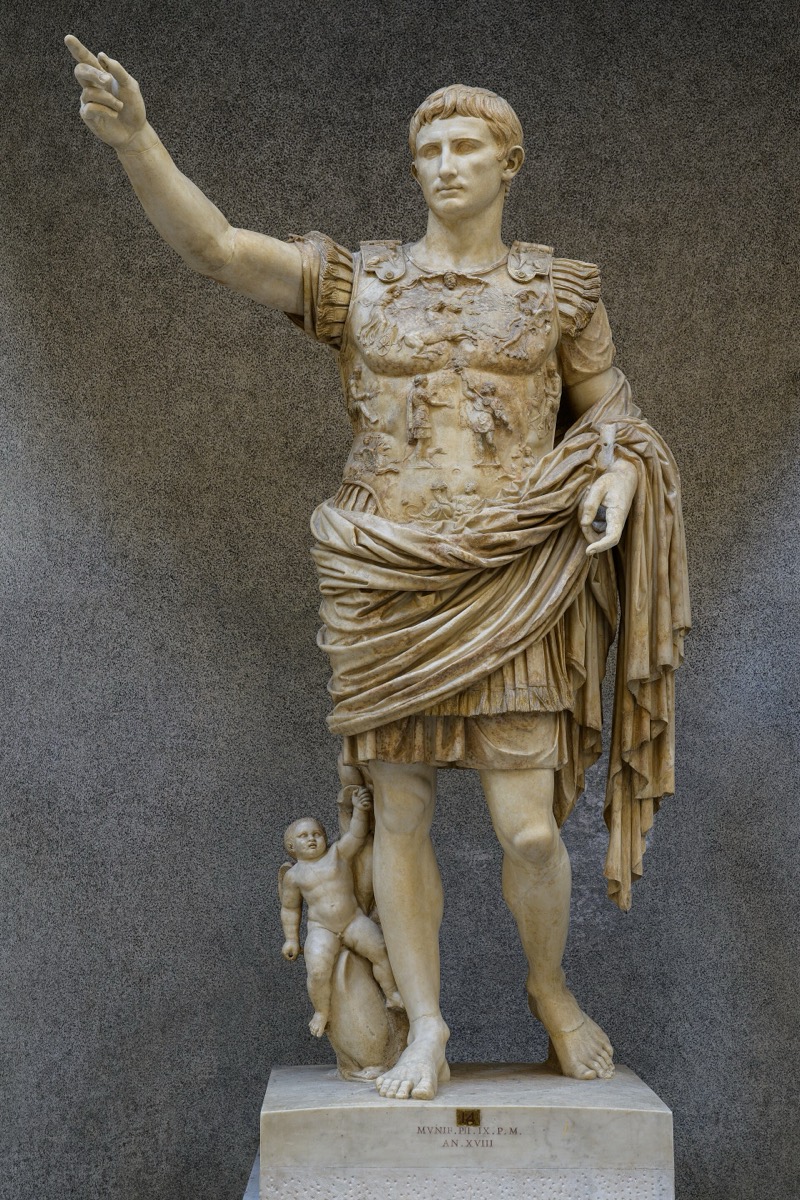 How do you find paint that is no longer there?pigments
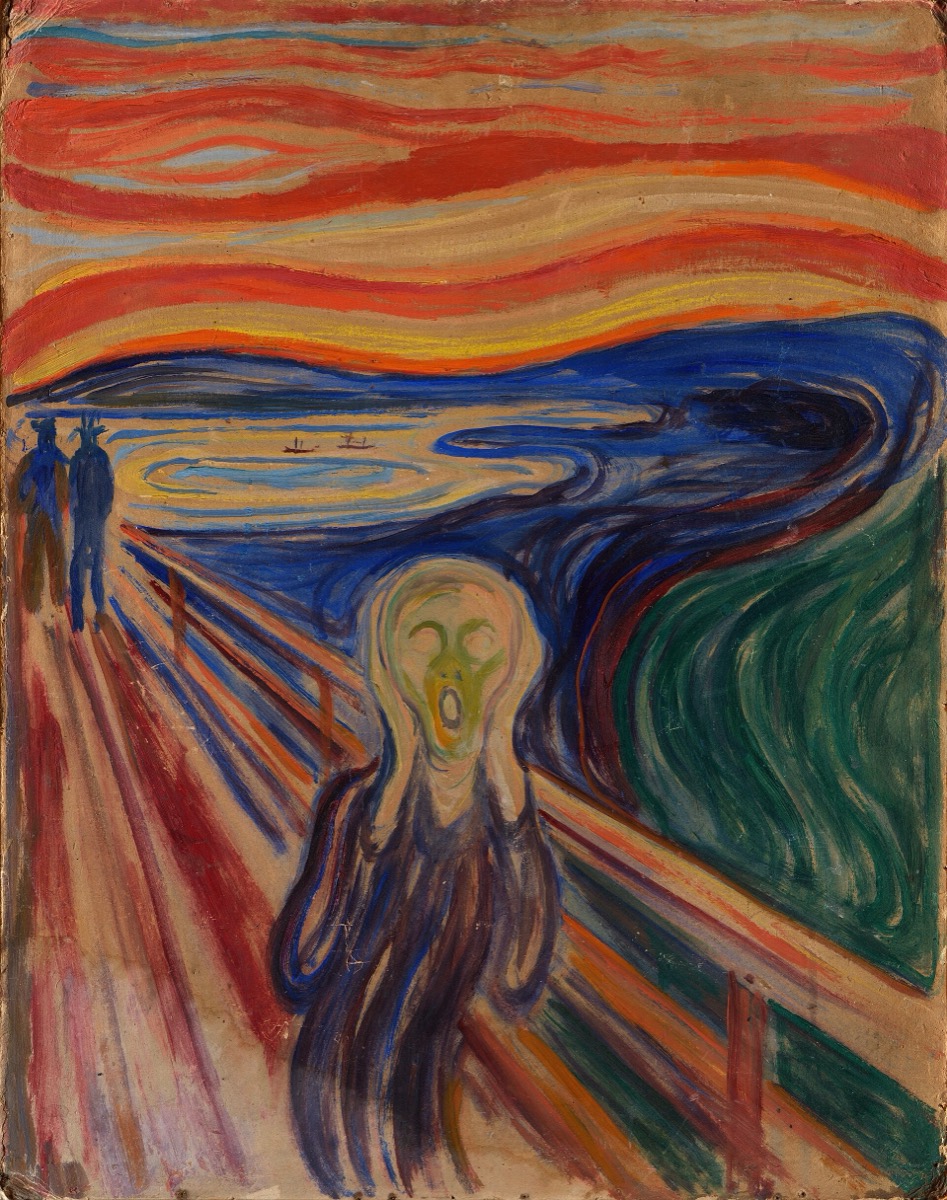 What is actually fading The Scream?pigments
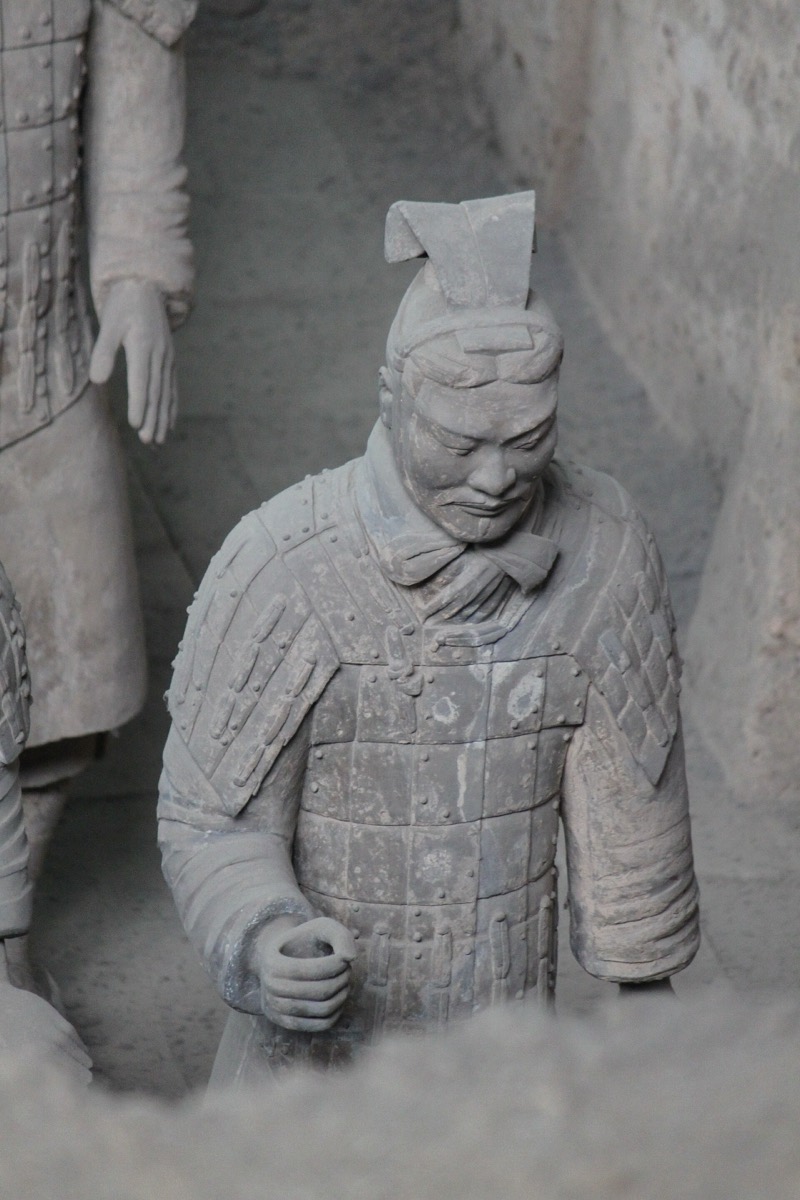 What was painted on a Han dynasty tomb wall?pigments