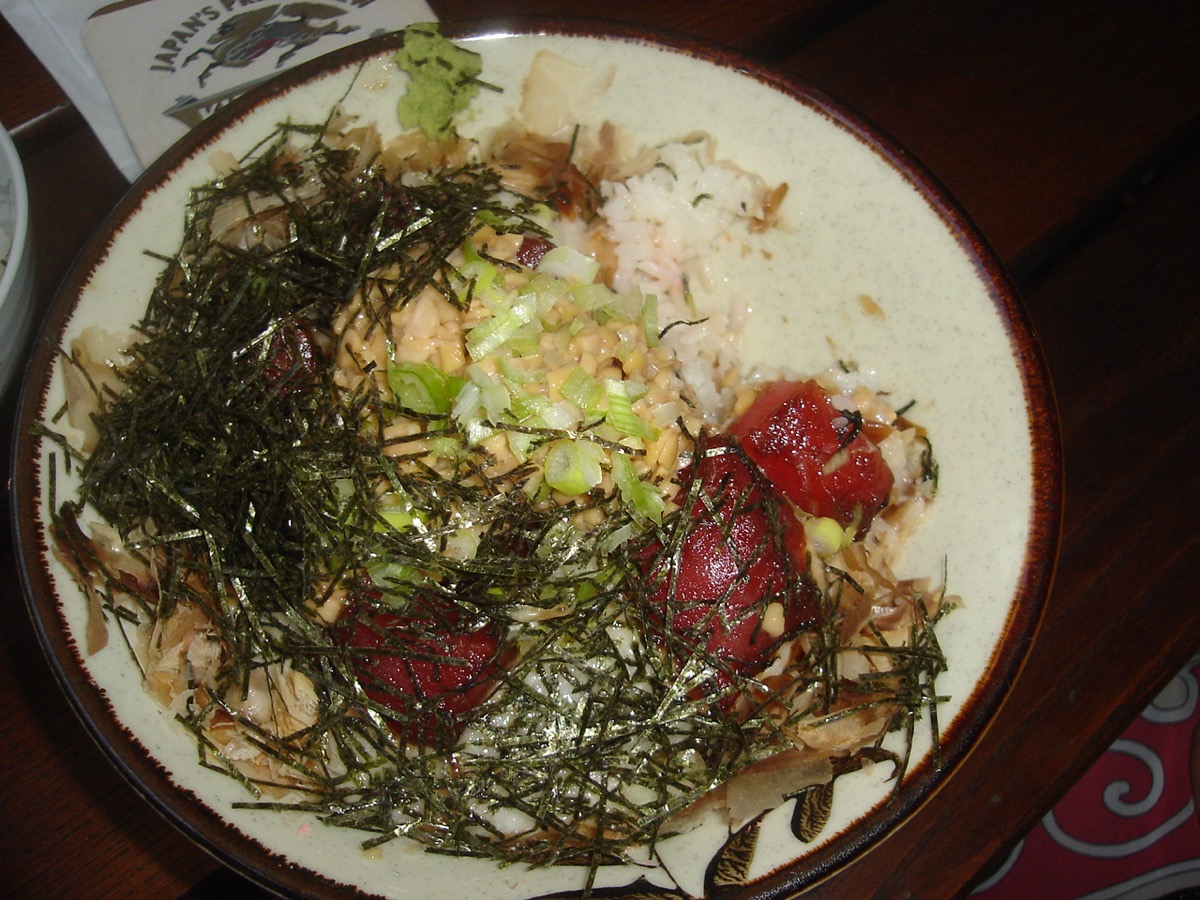
In two thousand thirteen, was inscribed on UNESCO’s of the of Humanity. The obvious reading is that a cuisine was honored: a set of dishes, with sushi somewhere near the front. The inscription itself describes something narrower and stranger. What did the listing actually protect?
A practice, not a menu. UNESCO describes washoku as a built on skills, knowledge and traditions covering how food is produced, processed, prepared and consumed. It is bound up with a spirit of respect for nature and the sustainable use of natural resources. The dishes are where that shows, most clearly at New Year. What is listed is the knowing and the doing.
Washoku was inscribed in two thousand thirteen on the Representative List of the Intangible Cultural Heritage of Humanity. People hear Japanese cuisine and picture a menu. The entry never describes one.
What it describes is a social practice: a set of skills, knowledge, practice and traditions around producing, processing, preparing and consuming food. The thread running through it is an essential spirit of respect for nature, closely tied to using natural resources sustainably. That is a disposition rather than a dish.
The food enters as the place where the practice becomes visible, and the clearest occasion is New Year. Japanese households prepare to welcome the deities of the incoming year, pounding rice cakes and cooking special meals. Dishes are decorated with fresh ingredients, each carrying a symbolic meaning, served on special tableware and shared within a family or across a whole community.
The practice favors natural, locally sourced ingredients: rice, fish, vegetables and edible wild plants. And it has a transmission route, which is the part that makes this heritage rather than cookery. The basic knowledge and skills, including the proper seasoning of home cooking, pass down inside the home at shared mealtimes. Grassroots groups, schoolteachers and cooking instructors carry them further, through formal and non-formal education and through practice.
wat. The listing protects the seasoning a parent passes on at the table, not the recipe anybody could print.
wat wat
This is a different kind of protection from a label on a bottle of wine. Nothing here certifies a dish and nothing stops anybody cooking one; what gets safeguarded is a way of going about it.
How do we know?
The UNESCO Intangible Cultural Heritage entry for nomination file 00869, inscribed in two thousand thirteen on the Representative List, sets out what Japan nominated and what the Committee listed.
What is still unknown
An inscription is an official description written for a nomination. It records what Japan put forward and the Committee accepted, rather than an independent survey of how people actually eat.
Learn something?
Where to next
 What can the walls of an ancient pot teach us about meals in the Indus cities?food
 Could only the Maya nobility enjoy cacao?food
 What makes a beer genuinely Trappist?food