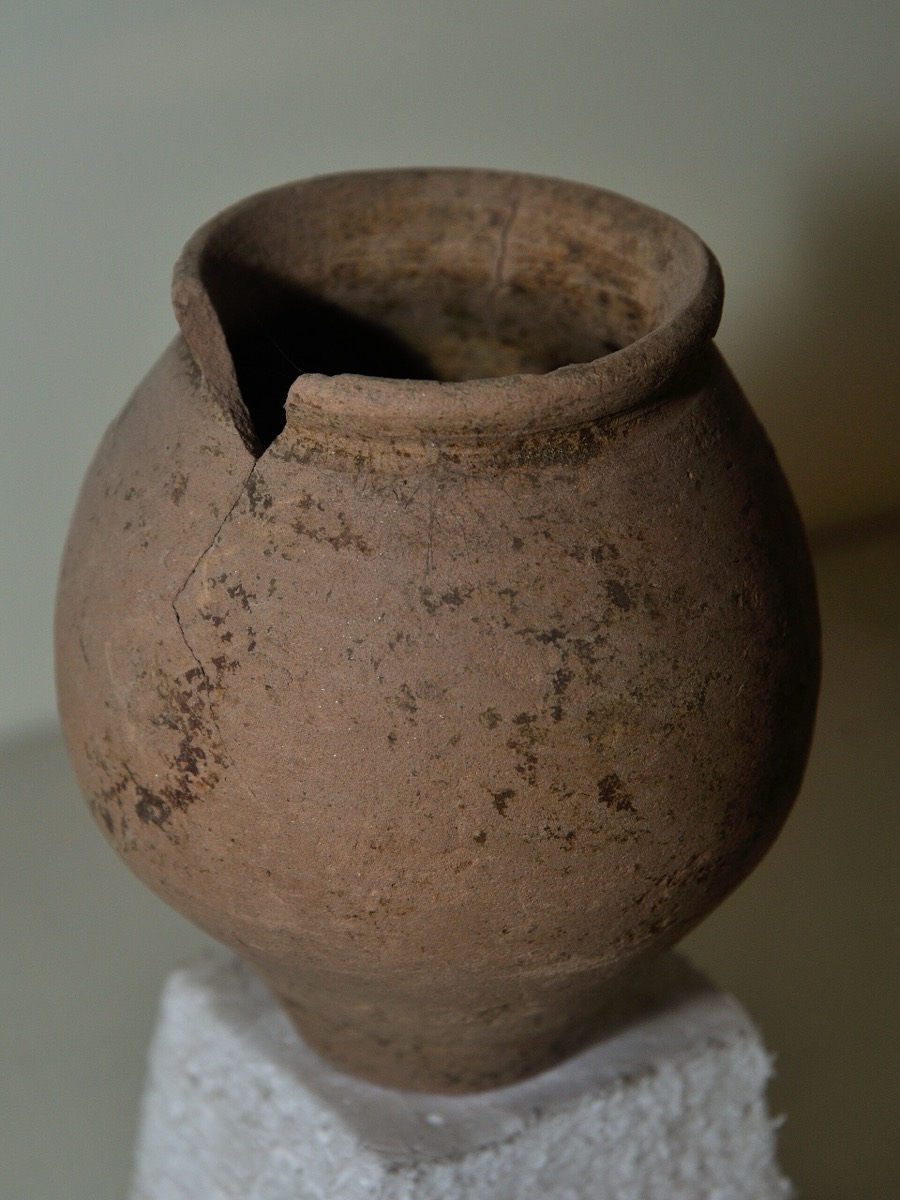
After thousands of years the food is gone, and some of its fats soak into and stay there. Which is to say an ancient pot remembers what was cooked in it. What turned up in vessels from sites?
Animal fats, and dairy only here and there. Residues in vessels from Indus sites in northwest India carried mainly signs of fats from animals, including fat from animals that are not . Signals identified as dairy appeared in only a limited share of the samples. A find like that paints a more varied diet than anyone could guess from the animal bones alone.
Bones at an archaeological site show which animals were present, and not necessarily how they were used for cooking. Fat absorbed into the wall of a vessel adds a different kind of evidence.
The team extracted fat residues from pottery at several sites and compared the chemical compositions with known . They found widespread use of animal products, with a notable share of fats that do not come from ruminants.
Signs of dairy processing appeared only in a limited way in this assemblage. That does not overturn other evidence for dairy consumption in the Indus Civilization; it shows the pattern varied between vessels and sites.
A pot may serve many dishes, and the preservation of fat depends on temperature, on soil and on elapsed time. So the find reads as a partial window onto food habits, not as a daily menu for every inhabitant.
wat. The clay kept traces of fat from ancient meals, and it did not keep a full book of recipes.
wat wat
Cooking vessels can preserve a clue to the food itself even where bones and seeds do not say what actually went into the pot.
How do we know?
Chemical analysis of fats absorbed into pottery, with their composition compared against known fat signatures.
What is still unknown
A residue in one vessel does not describe a whole diet. Identifying fat sources depends on preservation and on the comparison model, and a failure to identify dairy is no proof that nobody consumed it.
Learn something?
Where to next
 Could only the Maya nobility enjoy cacao?archaeology
 What can you learn from a cooking pot that was last used four thousand years ago?pottery
 What did a meal from the past leave between the teeth?archaeology