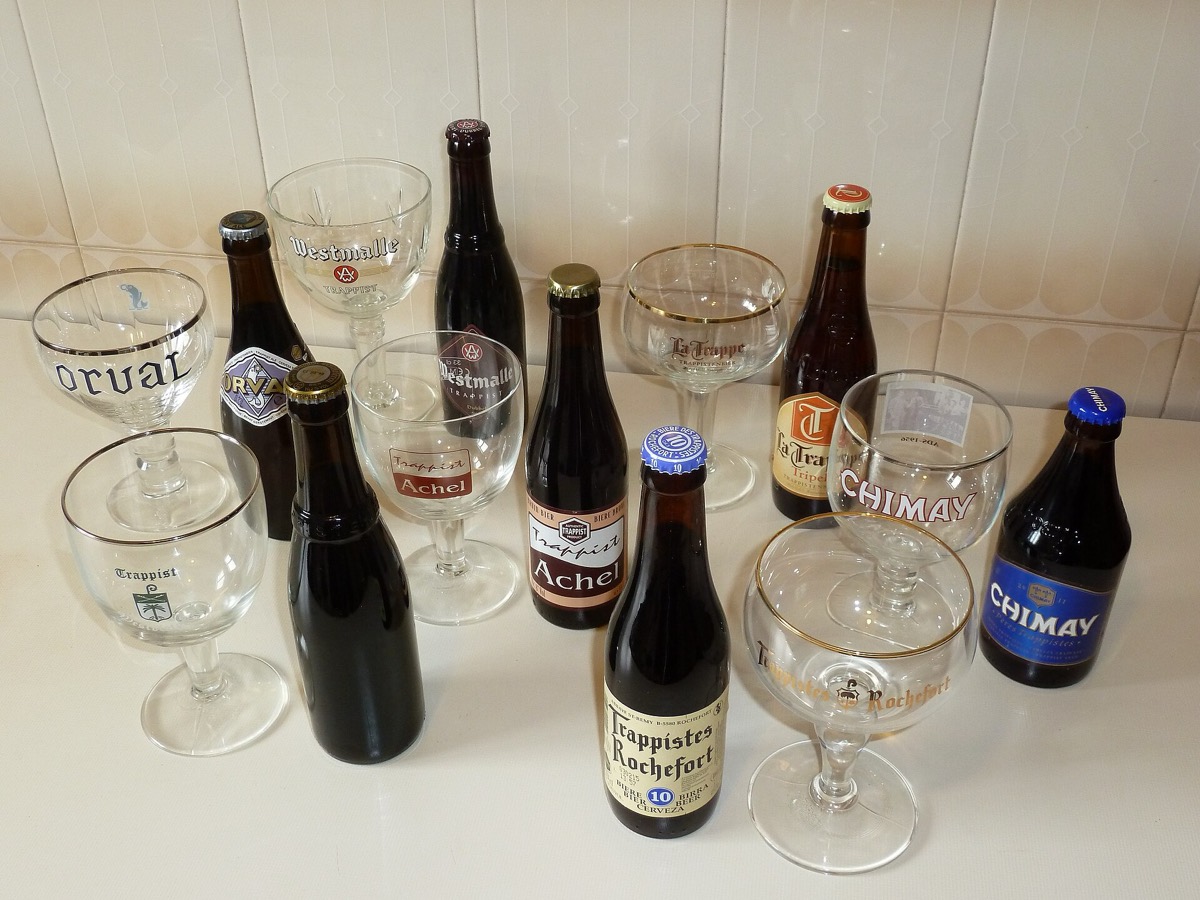
A beer does not become Trappist through taste, color or a picture of an abbey on the label. is granted by an international association, and it describes no style of beer at all but something else entirely. What exactly does it require?
, none of them about flavor. The International Trappist Association sets them for the authentic label. The product is made within the immediate surroundings of the abbey, production is supervised by the monks or nuns, and the profits go to the monastic community, to solidarity within or to charity. This is and responsibility, not a beer style.
The common mistake is to read the word “Trappist” as a style of beer, like a lager or a stout. It is not. It says who made it, where, and what was done with the money.
The three conditions for the authentic label are clear. Production takes place within the immediate surroundings of the abbey, it is supervised by the religious community, and the profits go to the abbey, to solidarity within the order or to charity. All three are required together.
Those limits have an interesting practical consequence. Production cannot grow without limit, because it is bound by what can be managed inside the abbey and under its supervision, and profit is not the aim. Some abbeys have reduced or stopped production for exactly that reason.
The label was created in the 1990s, after commercial producers began using the name for marketing, so it is a protection of origin exactly like champagne or parmesan. The same rules apply to cheeses, breads and toiletries. And what it does not say is that the product tastes better or is healthier.
wat. The three conditions for the Trappist label concern the place of production, the supervision and the profits, not the taste of the beer.
wat wat
The label shows how a religious institution uses a commercial standard to hold together a product, a place, supervision and a social purpose.
How do we know?
The association publishes the criteria and grants the label only to products of abbeys that meet them. The same conditions apply to cheeses, breads and other products, not only to beer.
What is still unknown
The label does not say the beer is better or healthier, only that it meets defined conditions of origin and production.
Learn something?
Where to next
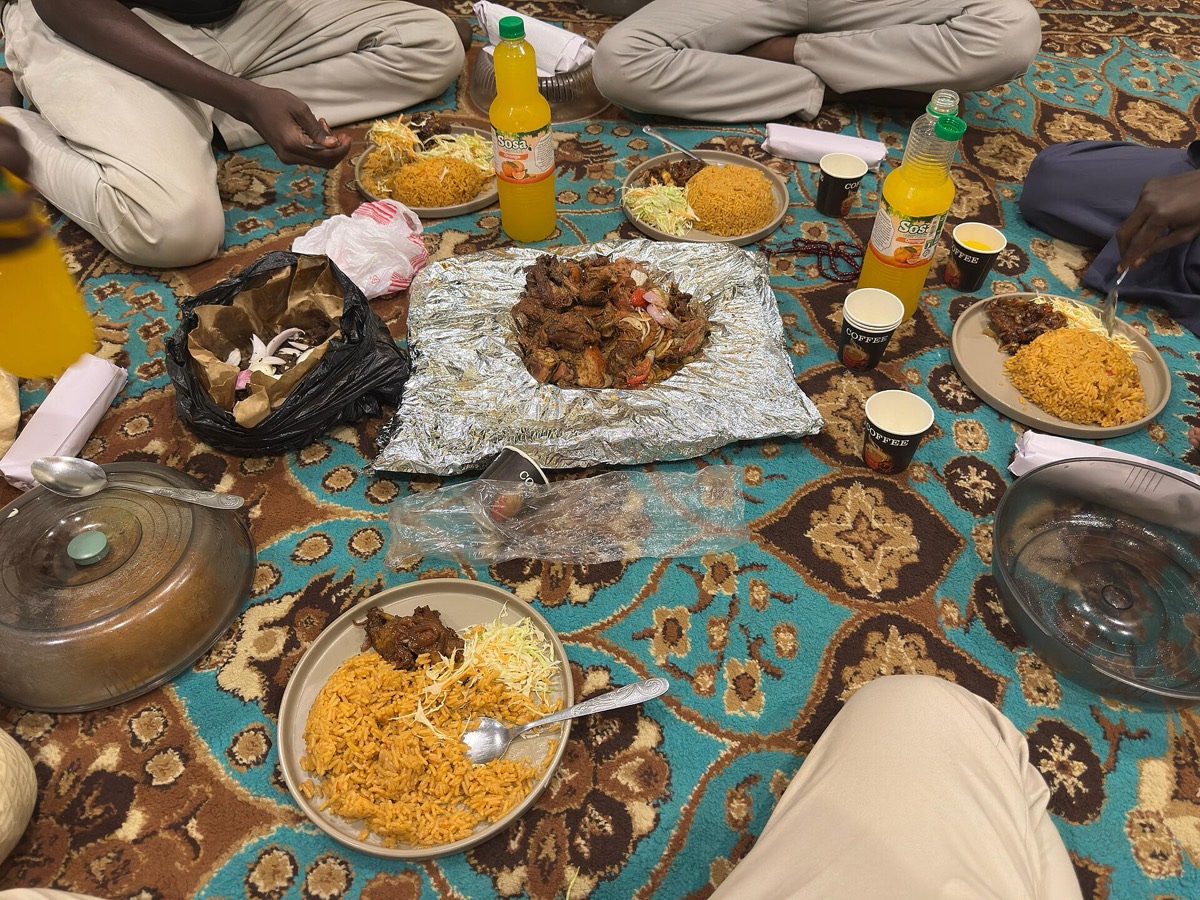 Who takes part in the meal that ends a fast?food
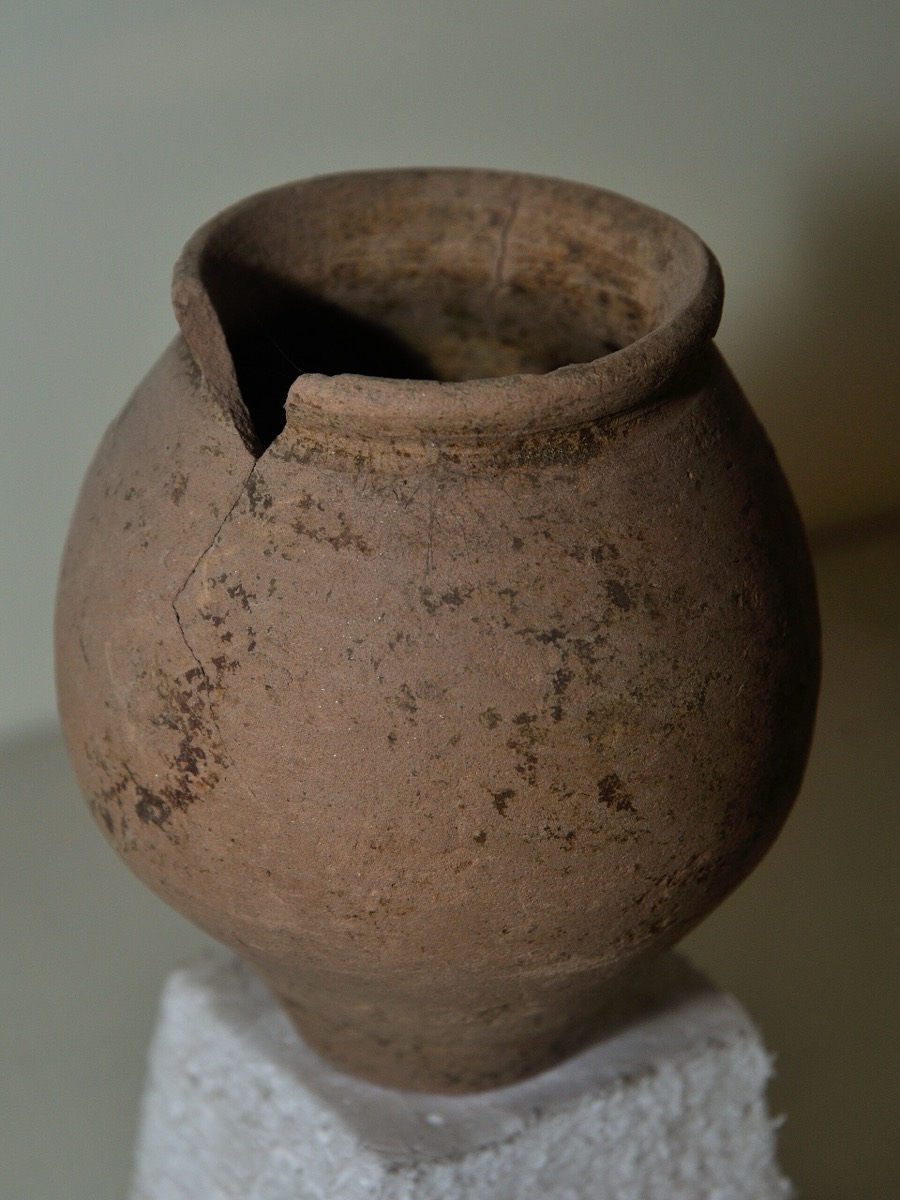 What can the walls of an ancient pot teach us about meals in the Indus cities?food
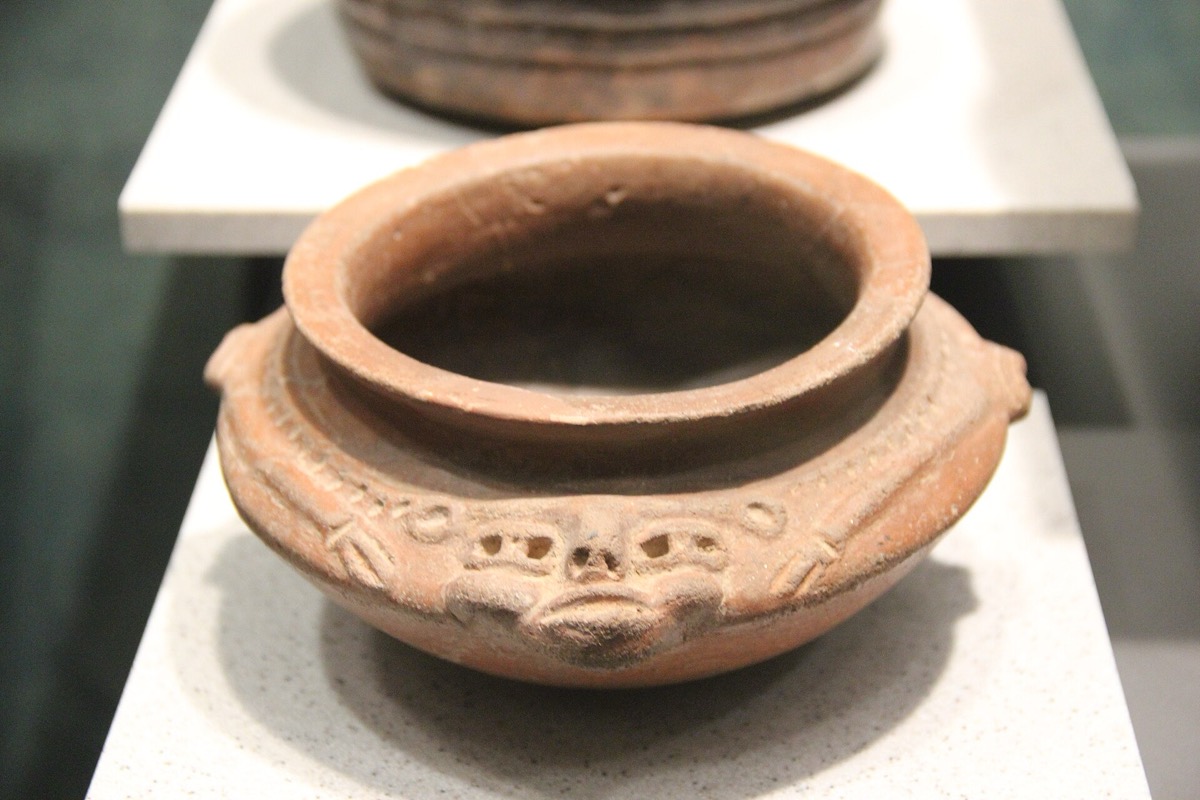 Could only the Maya nobility enjoy cacao?food