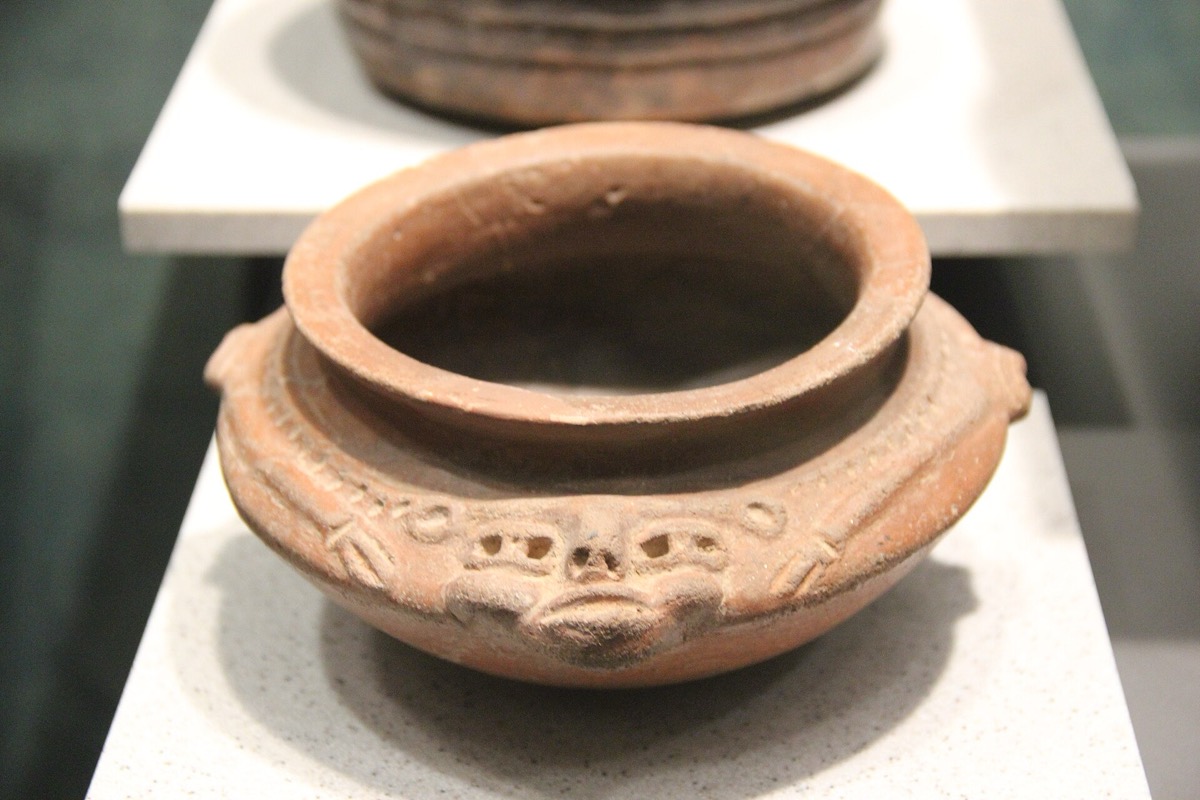
Cacao is identified with Maya rulers and ceremonies, partly because it was looked for mainly in decorated vessels. That is a test that finds what it looked in. So from ordinary houses were tested too. What was in them?
Cacao outside the palaces. Of 54 sherds from the area, taken from ordinary houses and from settlement centers, 30 held , the molecule used here as a chemical marker for cacao. The traces turned up across a range of living areas. So cacao was not necessarily restricted to , although the work does not reveal who drank it or how often.
To ask who could obtain cacao in Maya society, you first have to check where anyone looked for it. Early work focused on decorated vessels found in ceremonial contexts; a choice like that can hide everyday use in plainer pots.
The researchers collected 54 Late Classic sherds from the El Pilar area, roughly from 600 to 900 CE. The sherds came from residential surroundings and from public spaces. Before analysis they removed the outer layer, to reduce the risk that material stuck to a vessel after it was abandoned would look like an ancient food residue.
In 30 of the sherds, 56 per cent of the sample, significant quantities of theophylline appeared. The marker turned up in different contexts, including far from the ceremonial centers. So the grand vessels cannot by themselves represent everyone who used cacao in this area.
A sherd is not a meal diary. The same vessel can serve more than one person, and the work has no way to reconstruct from a trace how much cacao there was or how often it was drunk. The supported conclusion is a wider distribution of use in the area tested, and not full equality of access to cacao across the Maya world.
wat. At El Pilar, traces of cacao turned up in ceramics from ordinary Maya dwellings as well.
wat wat
Choosing to test only expensive ceremonial vessels can create a false impression that a particular food was reserved for the rich.
How do we know?
The researchers removed material from the surface of each sherd to reduce contamination, ground the inner ceramic and searched it for a molecular marker of cacao.
What is still unknown
The sherds come from one archaeological area and represent vessels, not people. The presence of cacao in a vessel does not establish who consumed it, how much they drank, or whether all Maya did the same.
Learn something?
Where to next
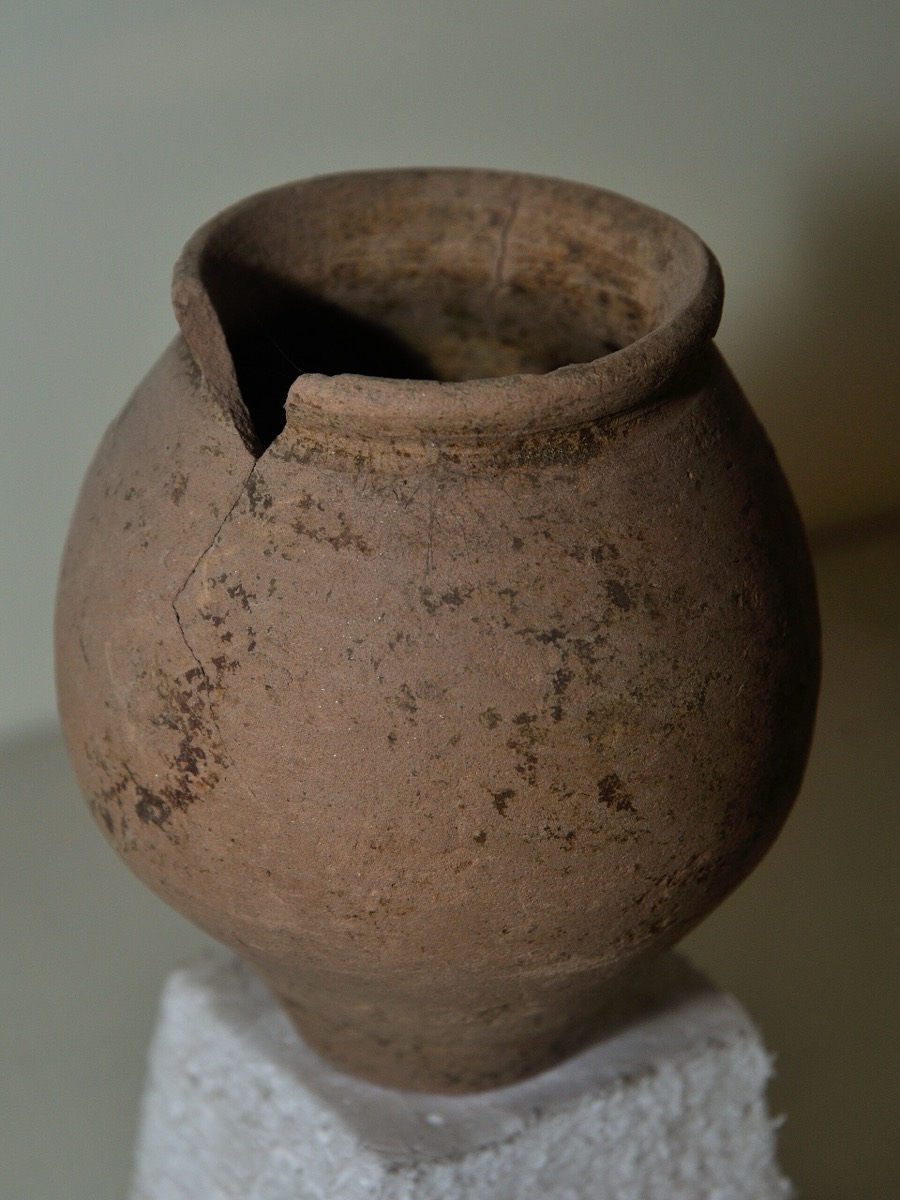 What can the walls of an ancient pot teach us about meals in the Indus cities?archaeology
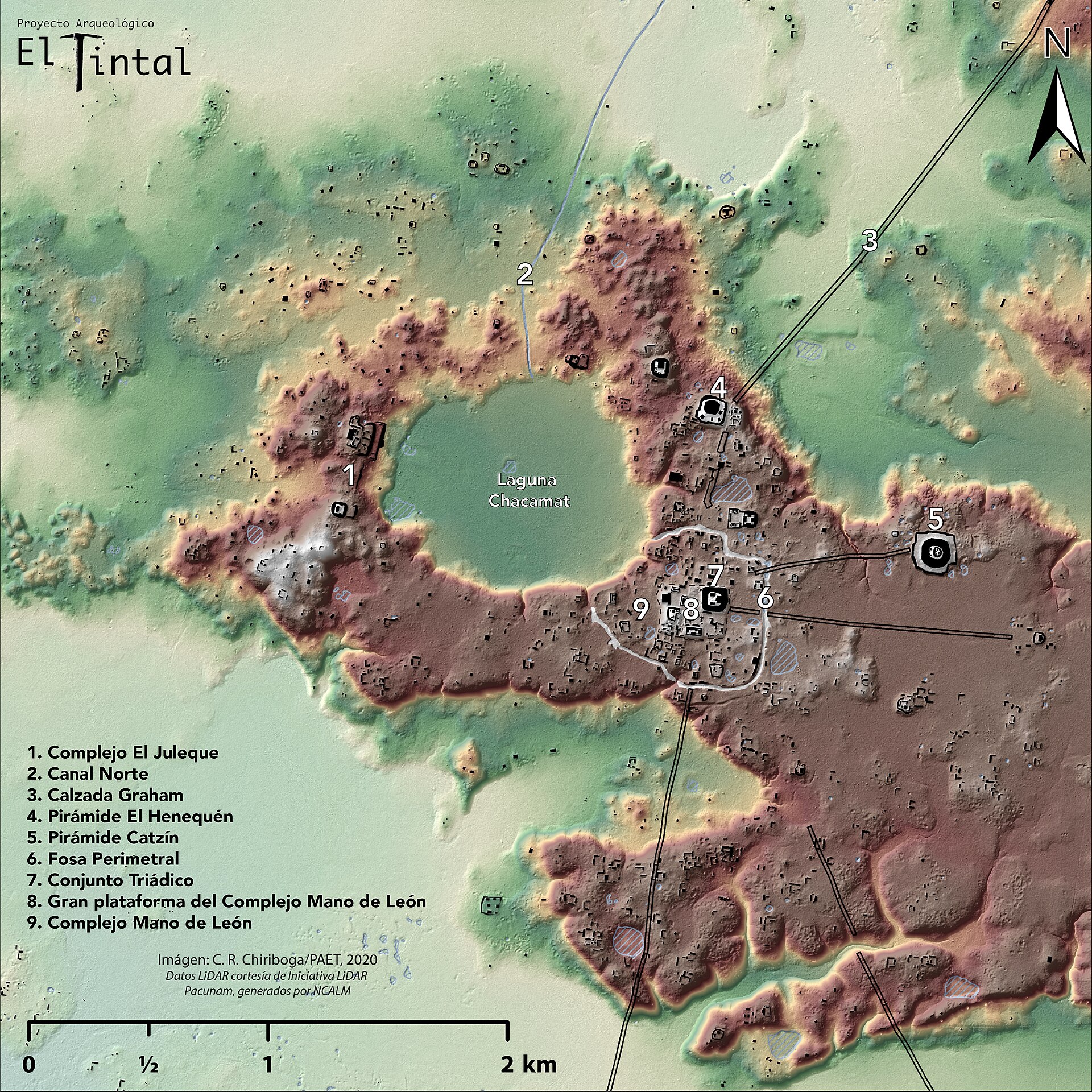 What is hiding under the jungle of Guatemala?Maya
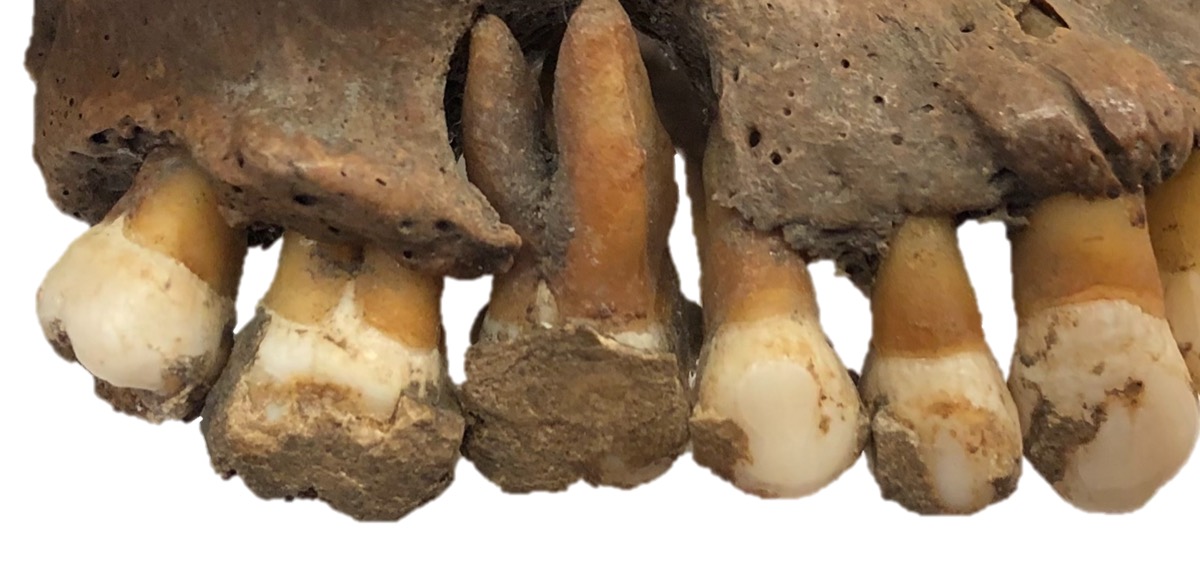 What did a meal from the past leave between the teeth?archaeology