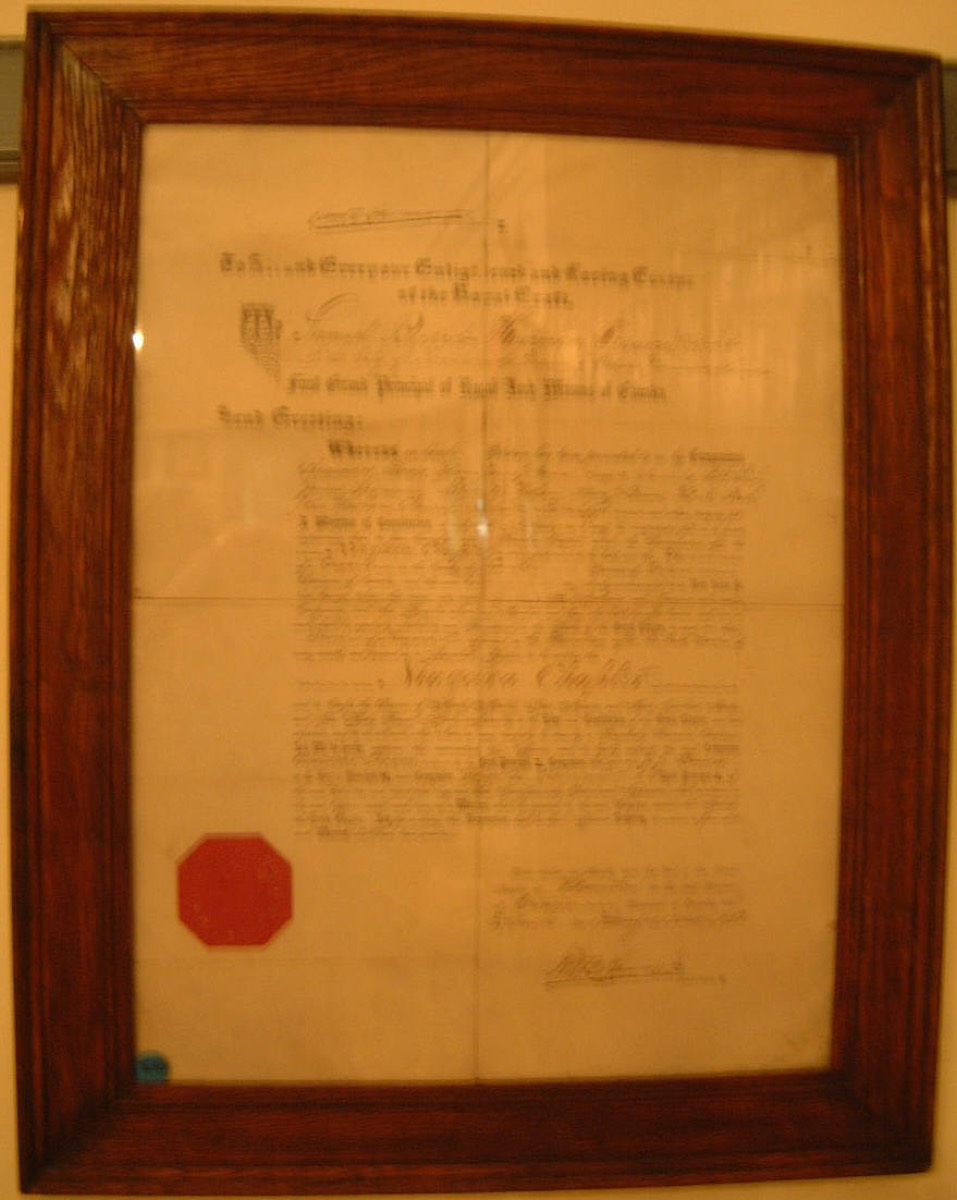
Before modern envelopes, many letters were folded and so that the paper itself served as both envelope and security. Opening one physically destroys exactly that evidence. So how do you read them anyway?
In the computer. Researchers scanned sealed letters with , built a three-dimensional model of the layers of paper, and into a readable image. The folding is part of the information: it testifies to the degree of secrecy, to the relationship between writer and recipient, and sometimes to who the writer was.
The problem here is not only reading. A locked letter is an object in which the shape of the fold is part of the information. It testifies to the degree of secrecy, to the relationship between writer and recipient, and sometimes to who wrote it. Opening it physically reads the text and erases that.
The first stage is the scan. X-ray tomography at a resolution of microns produces a three-dimensional model of everything inside the packet without touching it. The difficulty is that the ink is barely distinguishable from the paper in density, so unusual sensitivity is required.
The harder stage is the unfolding. In the model that comes out the layers touch each other and are crushed. Each has to be followed along the whole fold, separated from its neighbors, then stretched flat without distorting the writing. That is work for an algorithm and not for an eye.
To make sure the result is not an invention, the method was also run on a letter that had been opened before, as , and the output compared against what is known. What came out in the end is readable text from letters nobody had ever read, alongside the preservation of the locking itself. Success depends on the state of the paper, the ink and the complexity of the fold, so not every sealed document will be read.
wat. You can open a historical letter inside a computer and leave the paper closed in the real world.
wat wat
The method makes it possible to read historical content and to preserve the locking technique itself, which is part of the cultural information in the document.
How do we know?
The team used X-ray microtomography, identified the layers of paper and ran an unfolding algorithm, then validated the result against a letter that had already been opened, which served as a control case.
What is still unknown
Whether the unfolding succeeds depends on the state of the paper, the composition of the ink and the complexity of the folds. Not every sealed document will become readable.
Learn something?
Where to next
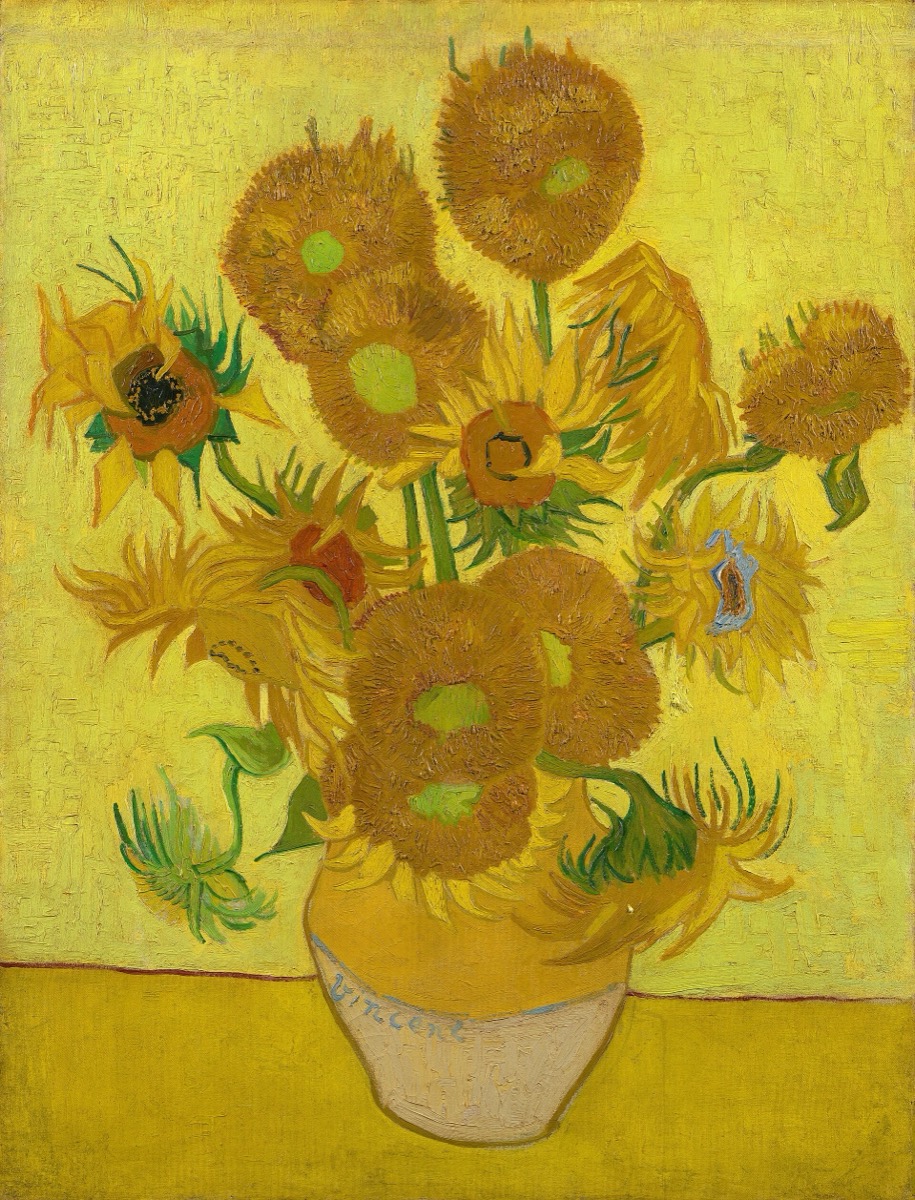 Why is Van Gogh’s yellow turning brown, and why can it not be brought back?conservation
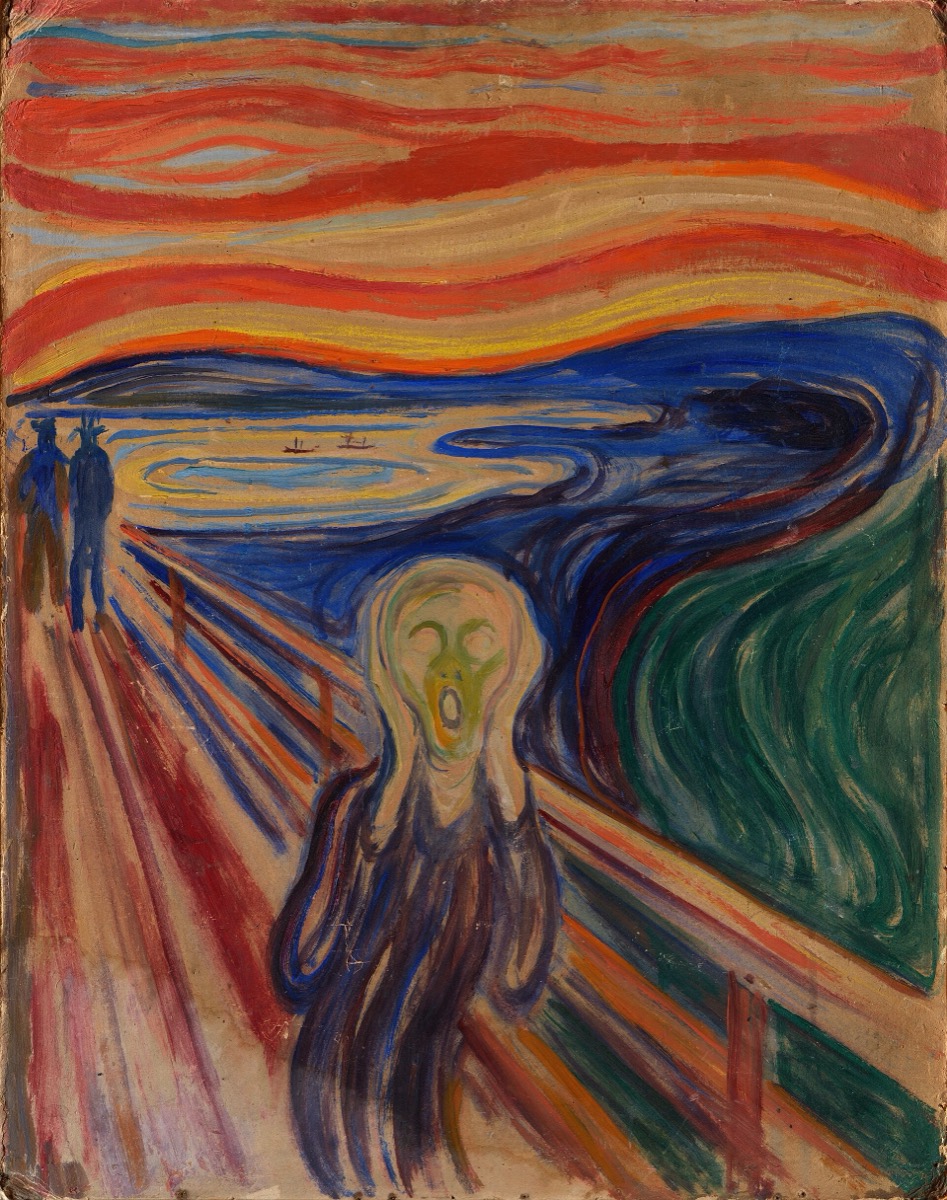 What is actually fading The Scream?conservation
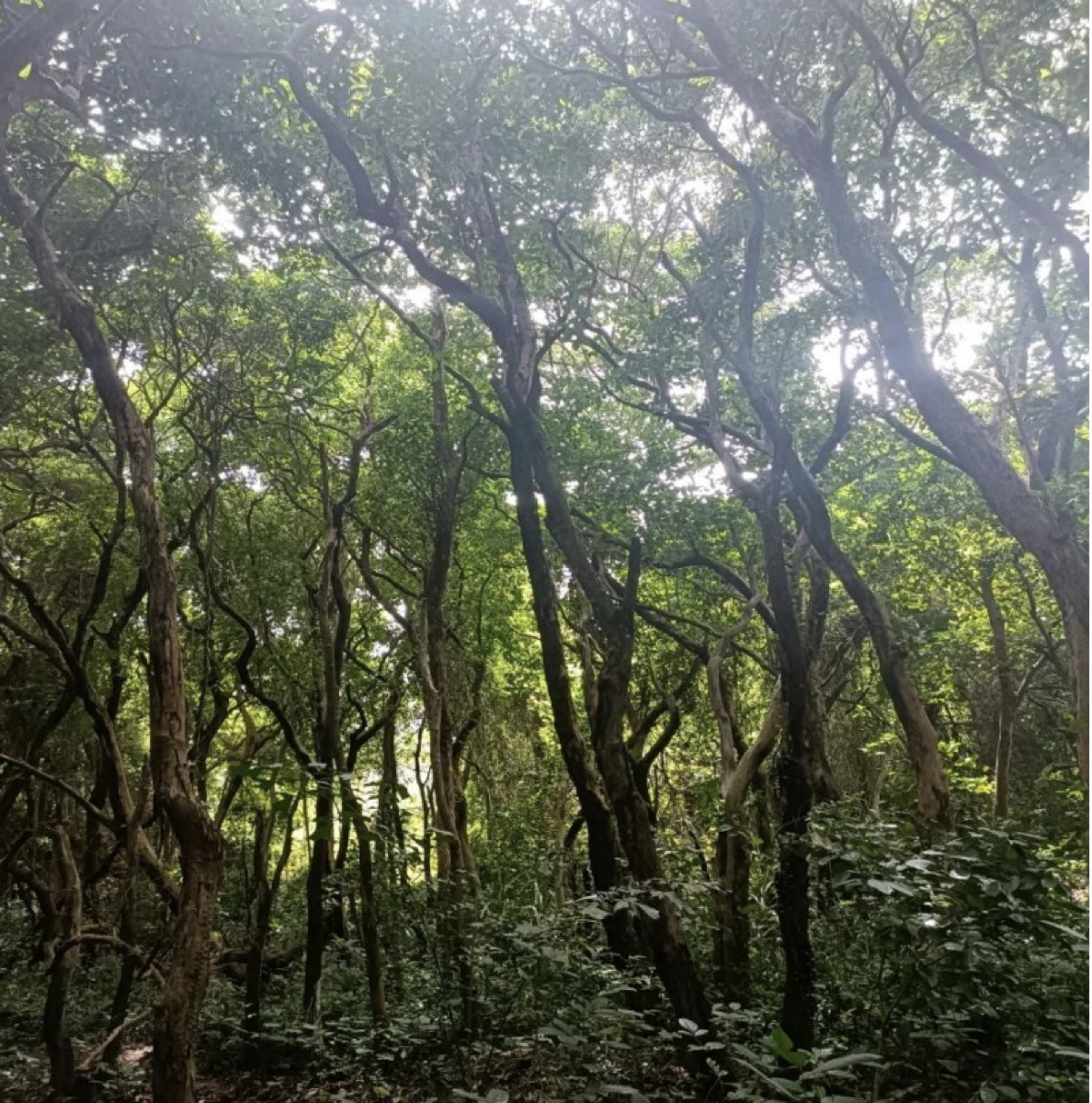 What happens to a small forest the community around it holds sacred?conservation