Sport psychology works with two models of it. says attention goes to the wrong things; says attention goes to the movement itself, which a well-learned skill does not want. Gröpel and Mesagno gathered forty-seven studies testing interventions against choking, and found that remedies built on either model help, along with a third kind nobody had named.
That third group is acclimatization: training under the pressure you will face rather than trying to manage it on the day. The interventions most often reported effective were pre-performance routines, , left-hand contractions and acclimatization training. Dual-task methods helped under pressure but did harm when used in training. Goal setting and neurofeedback showed nothing.
Choking under pressure describes performance that falls below what an athlete can do, in exactly the situations where it matters. Two fundamental models try to explain it. Distraction holds that pressure diverts attention away from the task. Self-focus holds that pressure turns attention onto the execution of a skill that runs better when left alone.
Gröpel and Mesagno set out to review what has actually been tested. Their systematic review covers forty-seven empirical studies published up to April 2017, including experimental, quasi-experimental and single-case work with athletes, spanning thirteen interventions. Those interventions were either distraction based or self-focus based, and in sorting them the authors identified a third group as well: .
The broad result is encouraging and slightly surprising. Interventions based on both choking models, and those based on acclimatization, generally provide a benefit to performance under pressure. The most reported effective ones were pre-performance routines, quiet eye training, left-hand contractions and acclimatization training, a list drawn from quite different theoretical starting points.
The details are less uniform. The use of dual task was beneficial for performance under pressure but harmful when used in training, which is a sharp reminder that an intervention can have opposite effects in different settings. Analogy learning drew mixed evidence, and goal setting and neurofeedback produced null effects. One caution: pooling experimental and single-case studies means the strength of evidence varies considerably across the thirteen interventions.
wat. You can choke by thinking about the wrong thing, or by thinking about the thing you do automatically.
wat wat
Two mechanisms mean two kinds of fix, and the review suggests you do not have to diagnose which one you suffer from. Interventions from both families, and from acclimatization, improved performance under pressure.
How do we know?
A systematic review of forty-seven empirical studies published up to April 2017, including experimental, quasi-experimental and single-case work with athletes, covering thirteen distinct interventions.
What is still unknown
A review of mixed designs, including single-case studies, so effects are pooled across very different evidence. The null results for goal setting and neurofeedback come from a smaller base than the positive ones.
Learn something?
Where to next
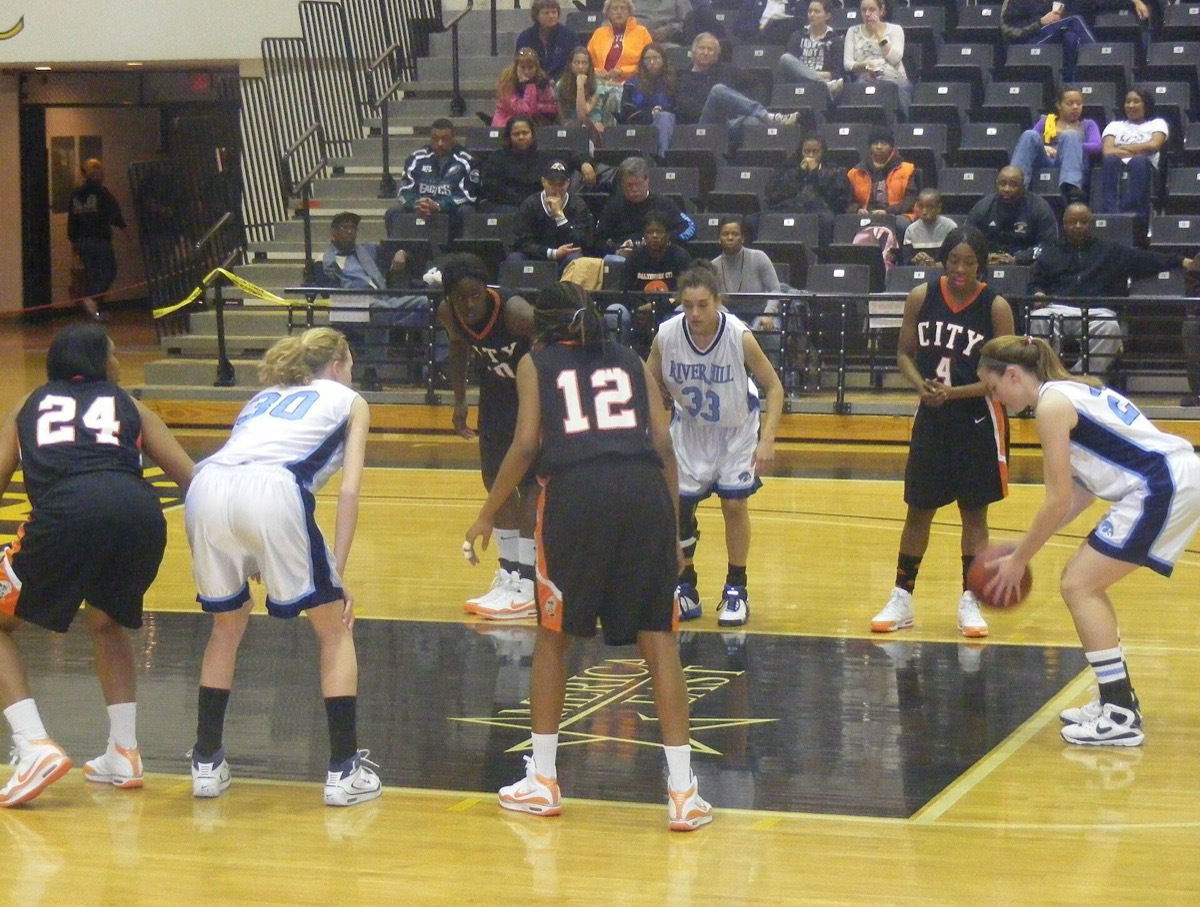 What changed when basketball players tried to sleep ten hours?performance
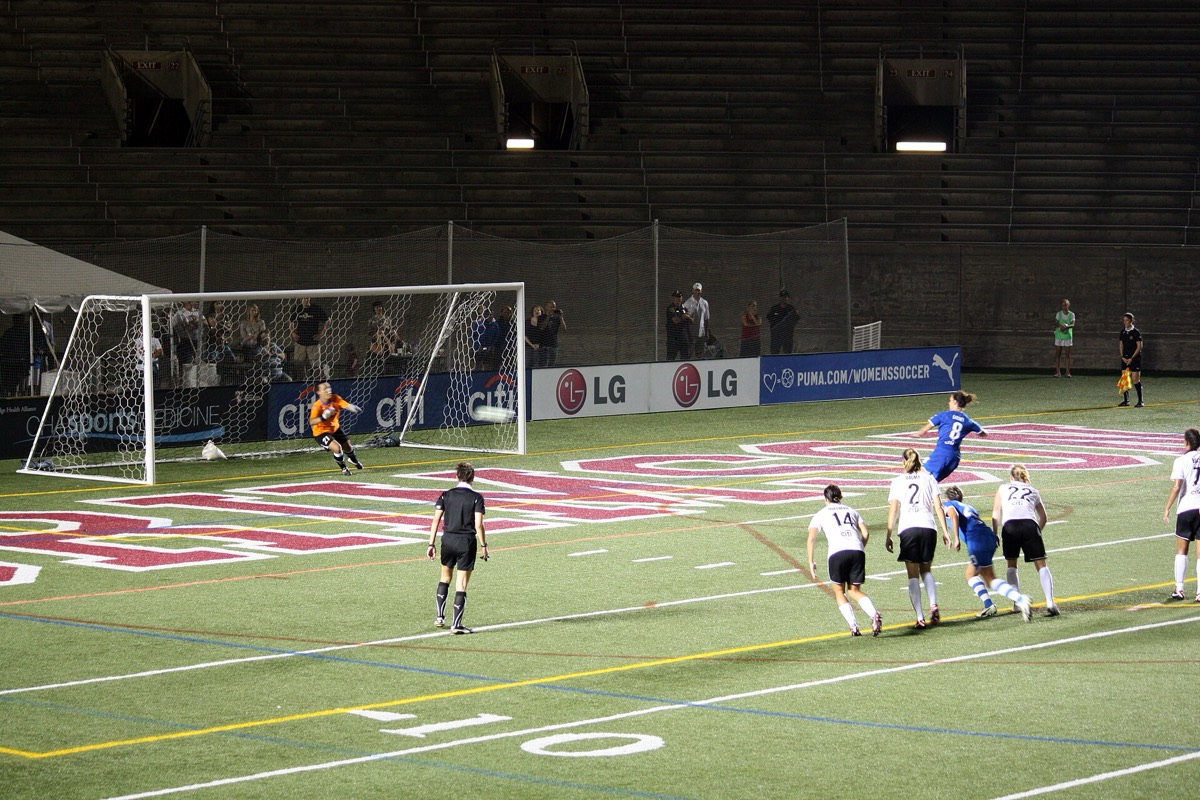 Where do the eyes go when you take a penalty under pressure?attention
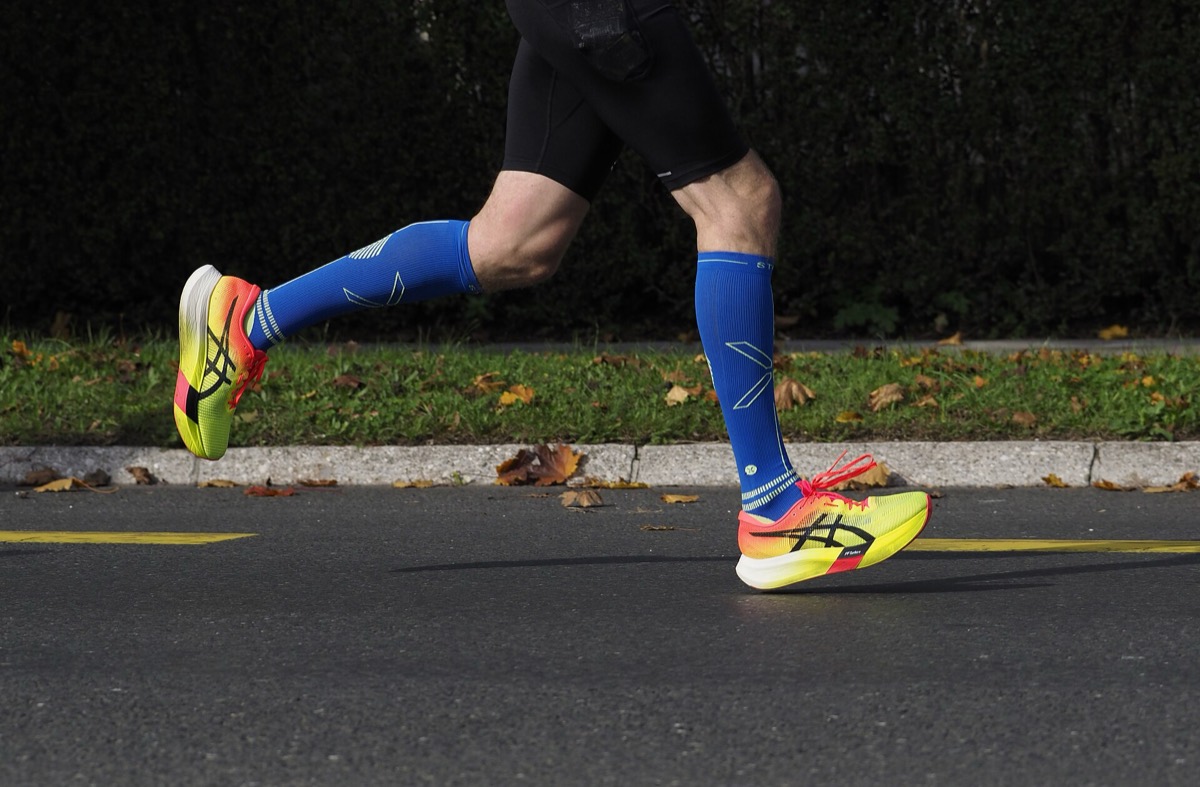 How much physical performance is lost after a short night?performance