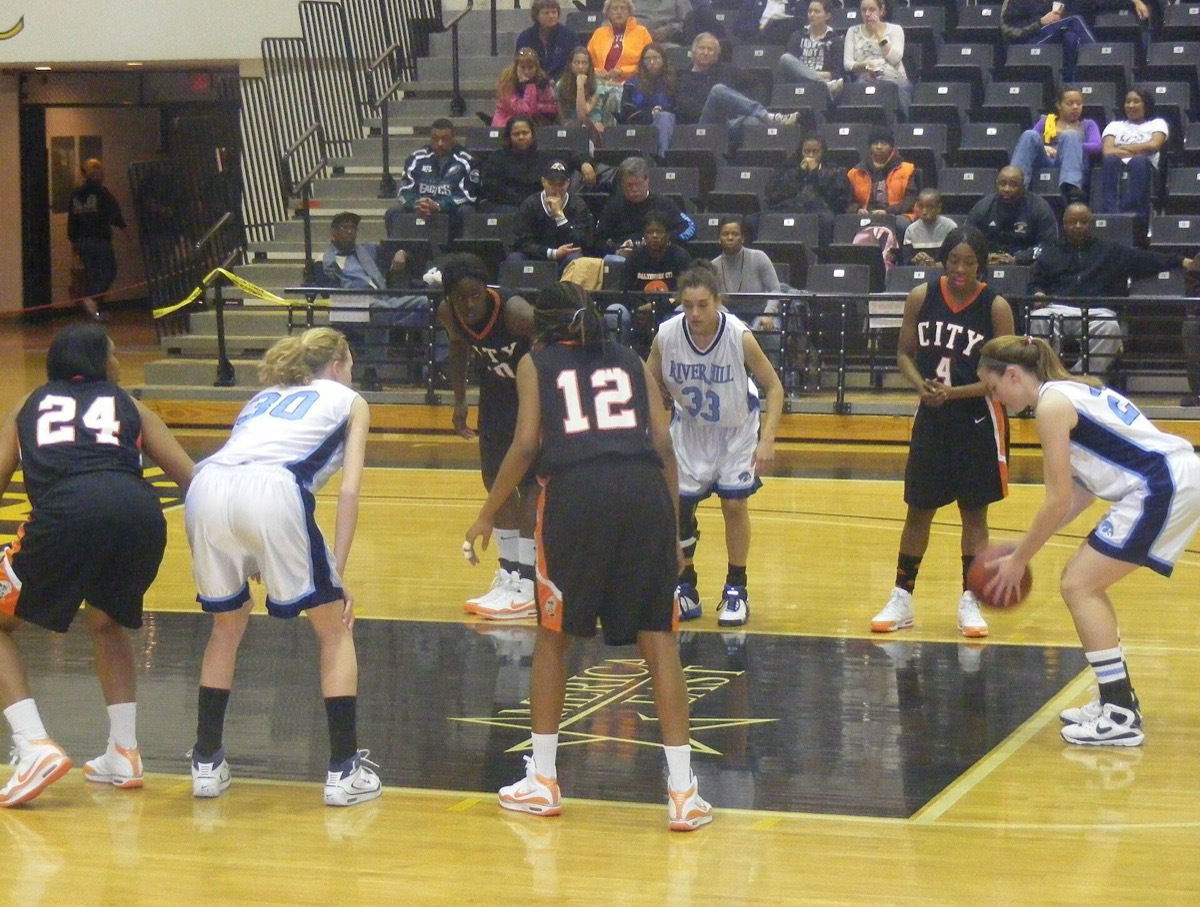
It is easy to assume a competitive player already sleeps enough, and that one more hour would change nothing. To find out, a basketball team’s ordinary routine was recorded first, and then the players were asked to spend up to ten hours a night in bed for several weeks. What moved?
Curiosity counts. Here is the answer.
Body and aim together. College basketball players were first recorded on their ordinary sleep routine, and then asked to spend up to ten hours in bed for five to seven weeks. In practice they slept under two hours more, and that was already enough: sprint times shortened, and free-throw and three-point percentages each rose by around nine per cent. The caveat is heavy and worth keeping. Eleven men from one team took part, with no randomization and no comparison group. Part of the improvement can come simply from getting fitter across a season of training.
Their bodies and their aim both moved. The team was a college team and the period ran five to seven weeks, and the added under two hours a night in practice. Sprint times shortened, accuracy improved and fatigue dropped. It is a promising result from a small group with no parallel group alongside it.
The players got no sleeping pill. They got a longer opportunity to sleep and kept their ordinary training, which is what makes the comparison about sleep rather than about a drug.
The ten-hour target is time in bed, not a general recommendation that everyone needs ten hours of sleep. Actual sleep rose by about an hour and 51 minutes.
Shooting accuracy, sprint time, and mood improved together, a pattern that fits broad recovery rather than a single measure moving on its own.
Because of the small group and the missing , this result justifies a larger trial rather than a promise of a permanent nine per cent. Seasonal training alone can account for part of it.
wat. After an average of 111 extra minutes of sleep, 11 college players shot free throws and three-pointers about 9% better.
wat wat
Sleep is not only time taken away from training; for an athlete who is short of it, sleep can belong inside the performance plan.
How do we know?
Sprint times and shooting percentages were recorded at every practice, alongside sleep, reaction time, sleepiness and mood.
What is still unknown
Only 11 men from a single team took part, with no random assignment and no control group. Seasonal training can account for part of the improvement.
Learn something?
Where to next
 How much physical performance is lost after a short night?sleep
 Does every athlete need exactly nine hours of sleep?sleep
 Does an ice bath after training actually speed up recovery?recovery