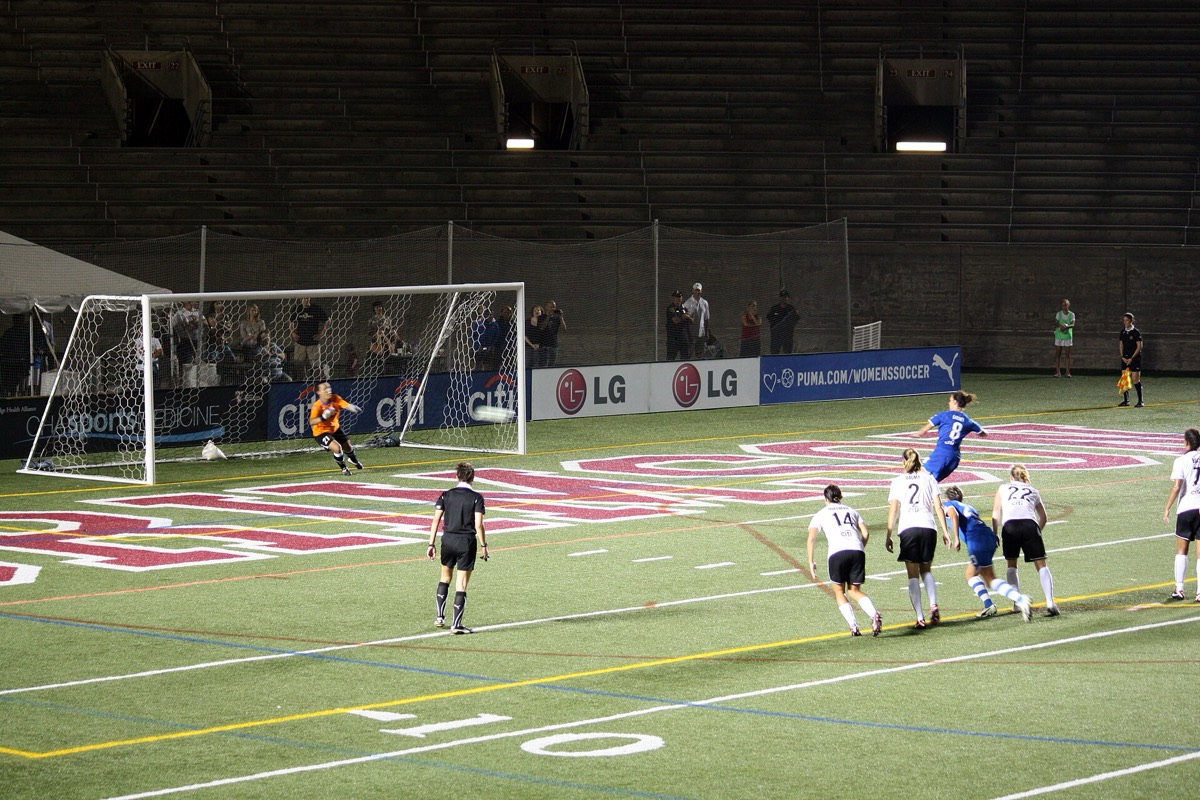
Anxiety is not only a feeling; it can pull attention toward the threat itself. To find out whether that happens with the feet too, fourteen experienced players took penalties under low and high pressure while an recorded their eyes. Where did the eyes go?
Toward the goalkeeper. Under pressure the 14 players fixated more on the keeper and less on the target area, which is in the full sense of the term. suffered and the ball went closer to the middle, the place a goalkeeper reaches most easily. So the shift in gaze showed up in where the ball landed.
The hypothesis comes from theory rather than from the pitch. Attentional control theory holds that anxiety strengthens threatening stimuli and weakens deliberate control of attention, so a person under pressure looks precisely at what frightens them. A penalty is an ideal test case, since the threat stands there and moves.
And that is what turned up. Fourteen experienced players kicked under low and high pressure with an eye tracker, in order, and under pressure they fixated more on the goalkeeper and less on the target area. The gaze went to the obstacle rather than to the place they wanted to aim.
The result is more than a stylistic detail, because it arrived together with a change in the outcome. Accuracy suffered and the ball went closer to the middle, exactly where a goalkeeper reaches easily. The change in gaze translated into a change in where the ball landed.
And the conclusion needs restraint. The sample is small, and the pressure came from an experiment rather than a final in front of a full stadium. Nor does it follow that every missed penalty comes down to gaze, since technique, the keeper’s guess and fatigue all play their part. What it does teach is where attention tends to drift as pressure rises.
wat. Under pressure the kickers looked more at the goalkeeper and sent the ball closer to him.
wat wat
A general instruction to relax is not enough. Training can teach an athlete to bring the gaze back to the target of the action even while the threat pulls at it.
How do we know?
An eye-tracking camera recorded where each kicker looked at every moment, and the researchers took the ball’s position under counterbalanced high and low pressure.
What is still unknown
The sample is small and the pressure came from an experiment, not from a final in front of a full stadium.
Learn something?
Where to next
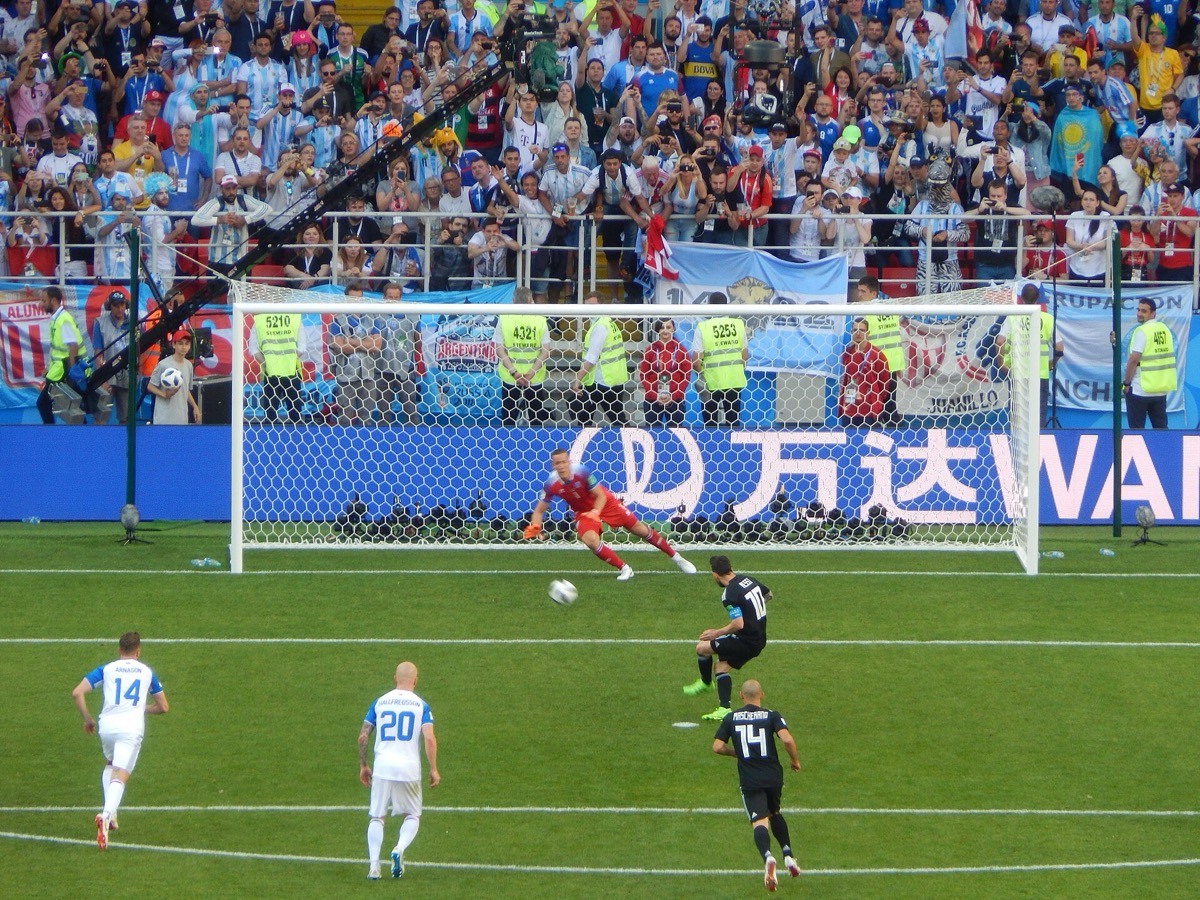 When should a goalkeeper stop watching the run-up?football
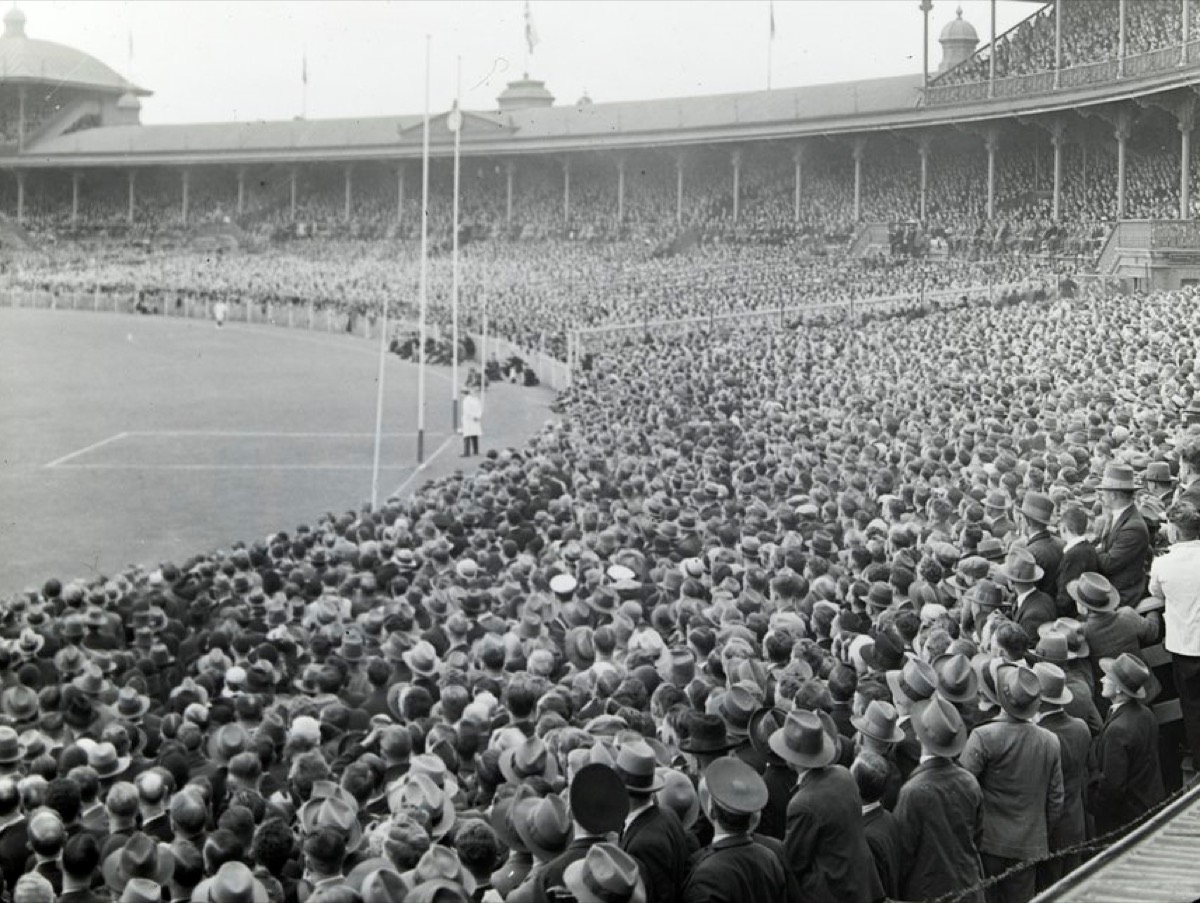 Is the crowd really the twelfth player?football
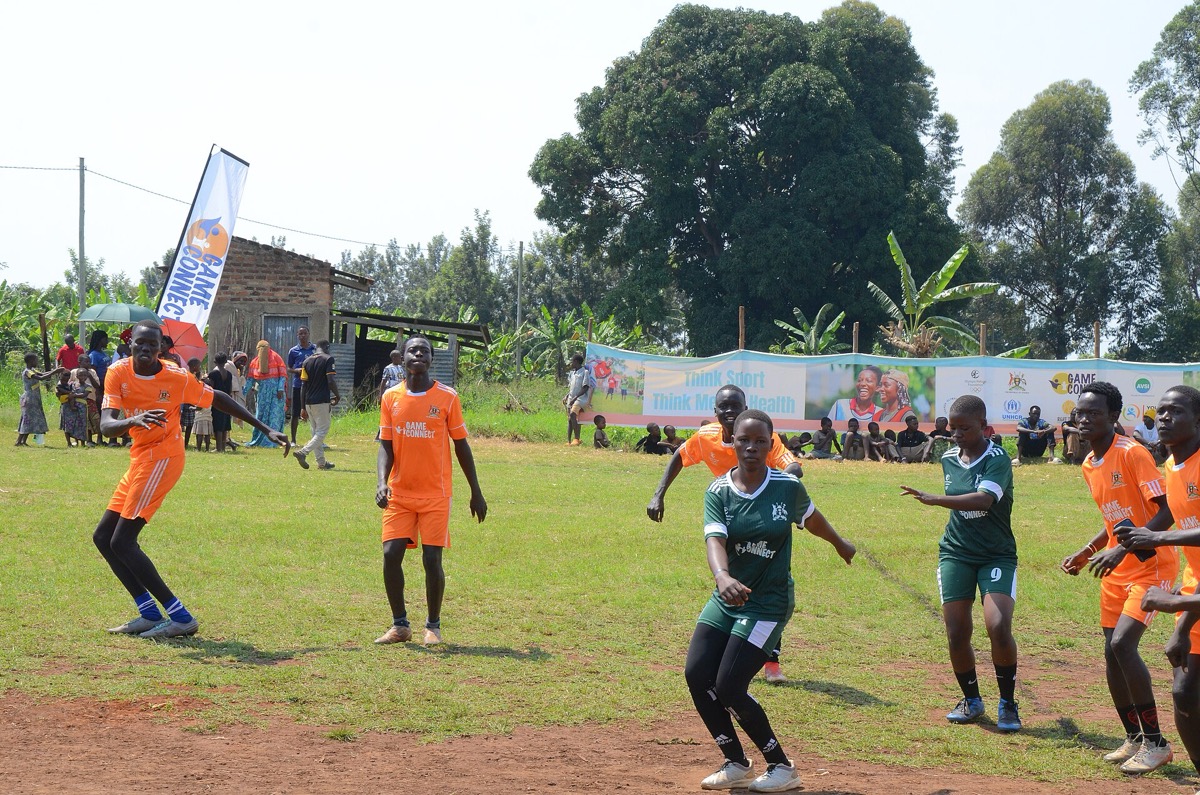 Can a regular warm-up prevent almost four in every ten injuries?football