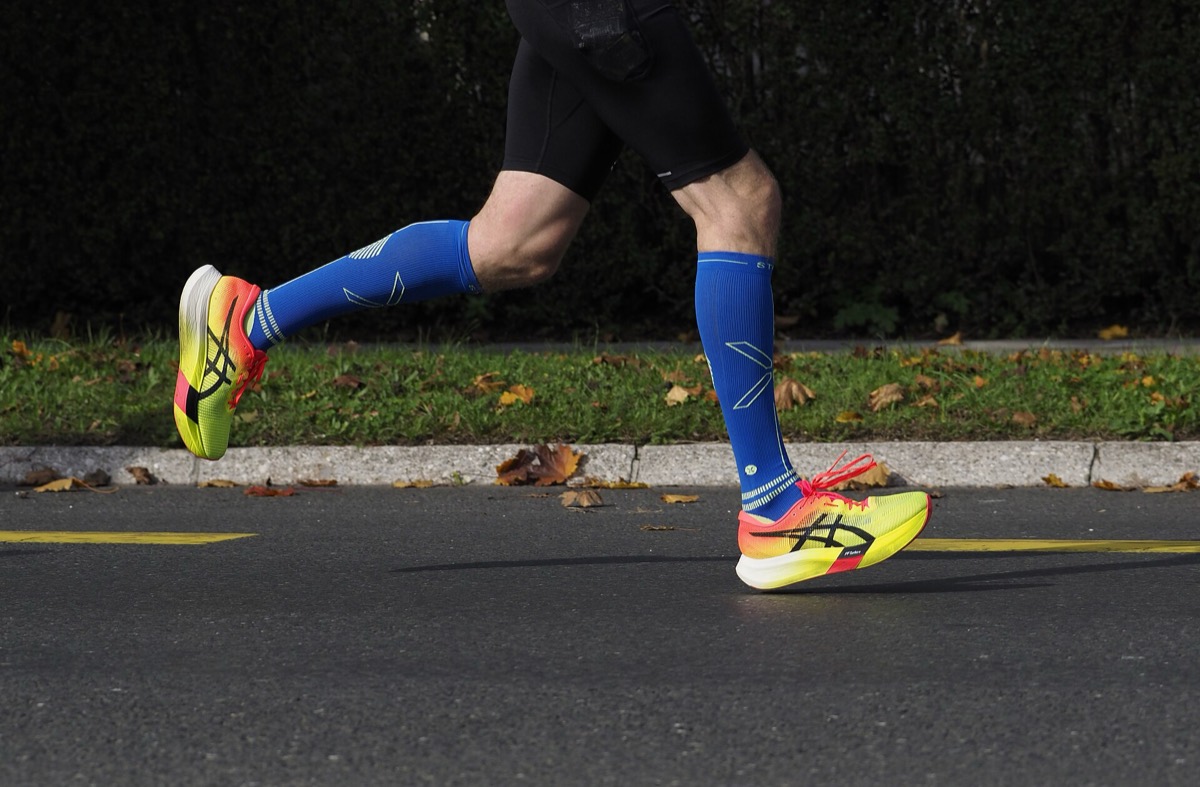
Missing sleep does not damage every kind of training in the same way, so one number will not do here. Hundreds of were pooled, from strength and sprinting to endurance and skill, together with the time of day and the hours spent awake before the test. What came out?
An average of 7.6%, around which almost everything varies. Across 227 performance measures the drop averaged that much, and the between studies was enormous. Morning activity suffered less, while every additional hour of wakefulness before the test was linked to a further decline. The figure is a research average rather than a personal forecast.
The found the damage across every family of performance, and not with the same intensity.
An early waking was more consistent than a late bedtime, probably because the test then arrived after a long stretch of wakefulness.
Evening tasks suffered more than morning ones, a relationship that fits the build-up of sleep pressure across the day.
The review does not prove extra sleep will improve someone who already sleeps enough. It measures the damage of a shortfall, not an unlimited benefit, and 89% of the participants were men.
wat. Across 69 studies, sleep loss lowered physical performance by 7.6% on average, and the damage grew the more hours of wakefulness preceded the task.
wat wat
Timing can limit the damage when a short night cannot be avoided: an early physical task may suffer less than an evening one.
How do we know?
A multilevel meta-analysis pooled 227 results from 69 publications in which the same kinds of performance were tested after normal sleep and after .
What is still unknown
89% of the participants were men and the variation between studies was very high, so the average does not fit every sport and every person.
Learn something?
Where to next
 Does an ice bath after training actually speed up recovery?training
 What changed when basketball players tried to sleep ten hours?sleep
 Which goal helps an athlete more: to win, or to execute correctly?training