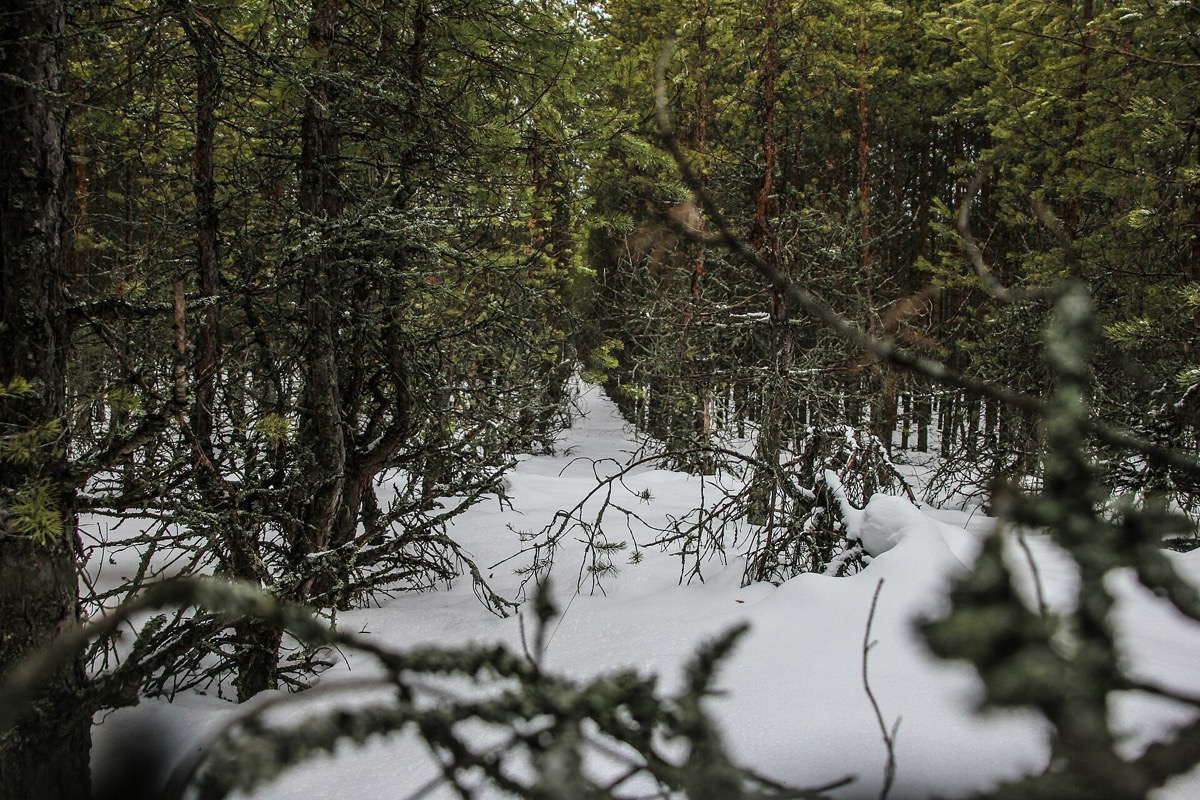
Restoring tree cover removes carbon, which is the whole case for it. It also changes , the fraction of sunlight reflected from the surface, because a forest is darker than the grass or snow it replaces. Previous efforts to quantify the global benefit have not accounted robustly for that, for want of spatially explicit data.
In most places it offsets the gain, and sometimes cancels it. New maps show that may be up to 81 percent too high. Dryland and settings carry especially severe albedo offsets, and while locations exist in every biome, the majority of on-the-ground projects still face at least a 20 percent offset.
Restoring tree cover changes albedo, the fraction of sunlight reflected from the Earth’s surface. In most locations those changes offset or even negate the carbon removal benefits, with the latter case leading to global warming rather than away from it.
That had gone largely uncounted. Previous efforts to quantify the global climate mitigation benefit of restoring tree cover have not accounted robustly for albedo, given a lack of spatially explicit data to do it with.
The maps produced here close that gap and the correction is large. Carbon-only estimates may be up to 81 percent too high, and dryland and boreal settings carry especially severe albedo offsets, though it remains possible to find net-positive locations in all biomes.
The authors also check where real projects sit. On-the-ground projects are concentrated in the more climate-positive locations, yet the majority still face at least a 20 percent albedo offset, so deploying restoration for maximum climate benefit requires accounting for albedo change.
wat. A darker surface absorbs what the carbon accounting never counted.
wat wat
A climate claim counted in carbon alone can be wrong by four fifths, which matters for anyone buying it.
How do we know?
Hasler and colleagues produced spatially explicit maps of albedo change alongside carbon removal, then located existing restoration projects on them to see what offset each one faces.
What is still unknown
Mapped and modeled rather than measured plot by plot, so any one project needs its own numbers.
Learn something?
Where to next
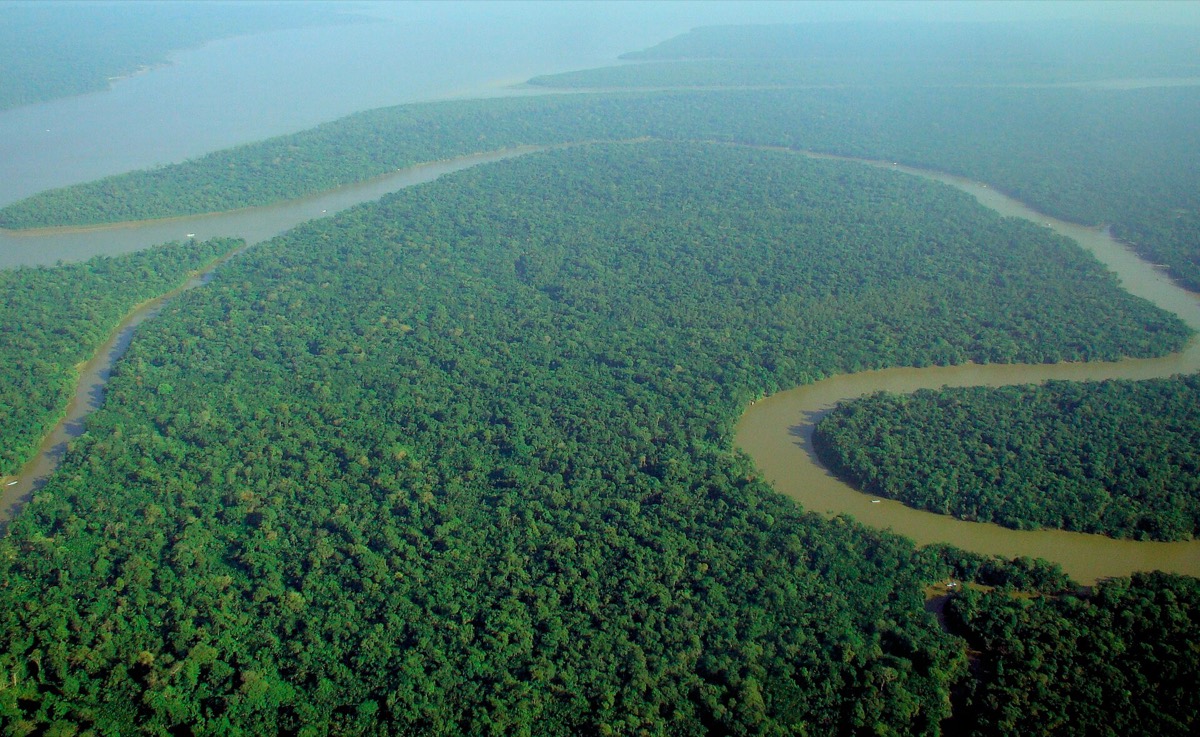 Does the Amazon still absorb more carbon than it releases?climate
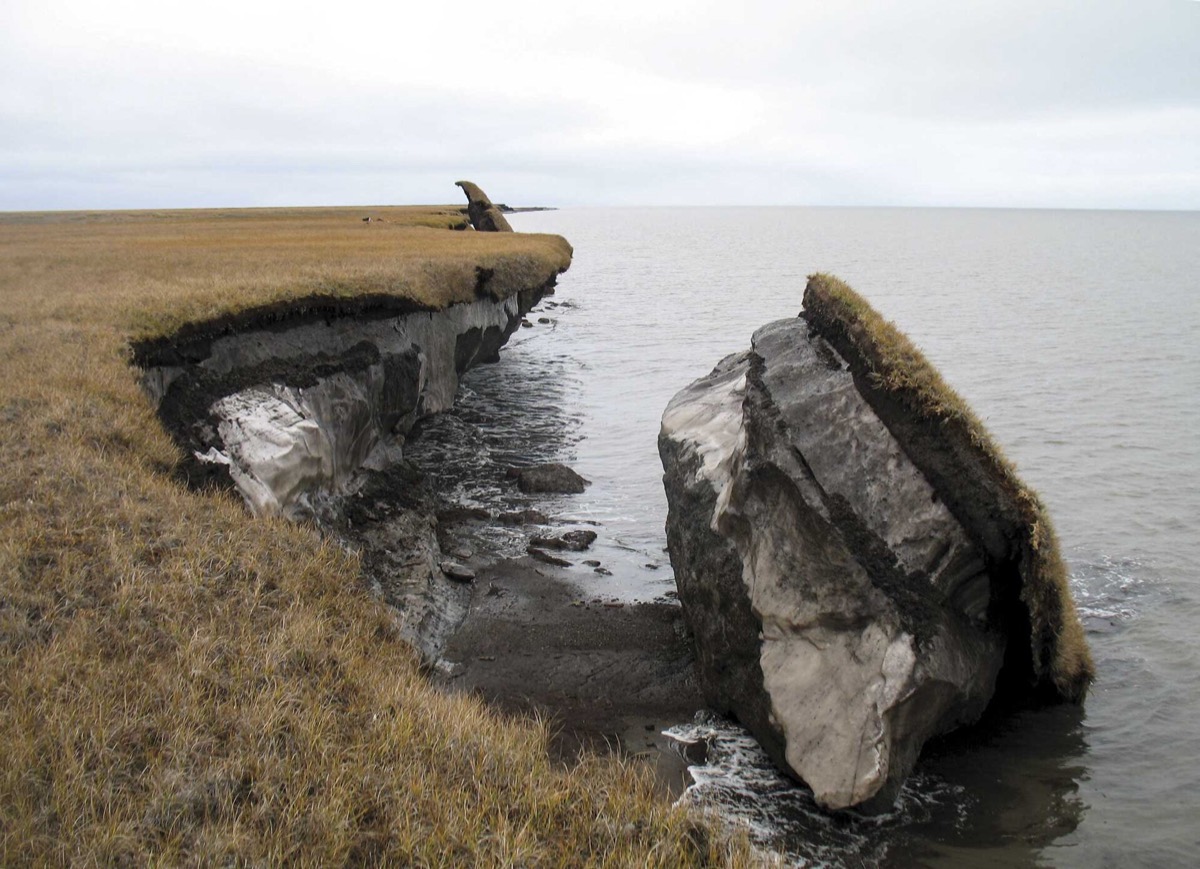 What comes out of the frozen ground of the north when it thaws?climate
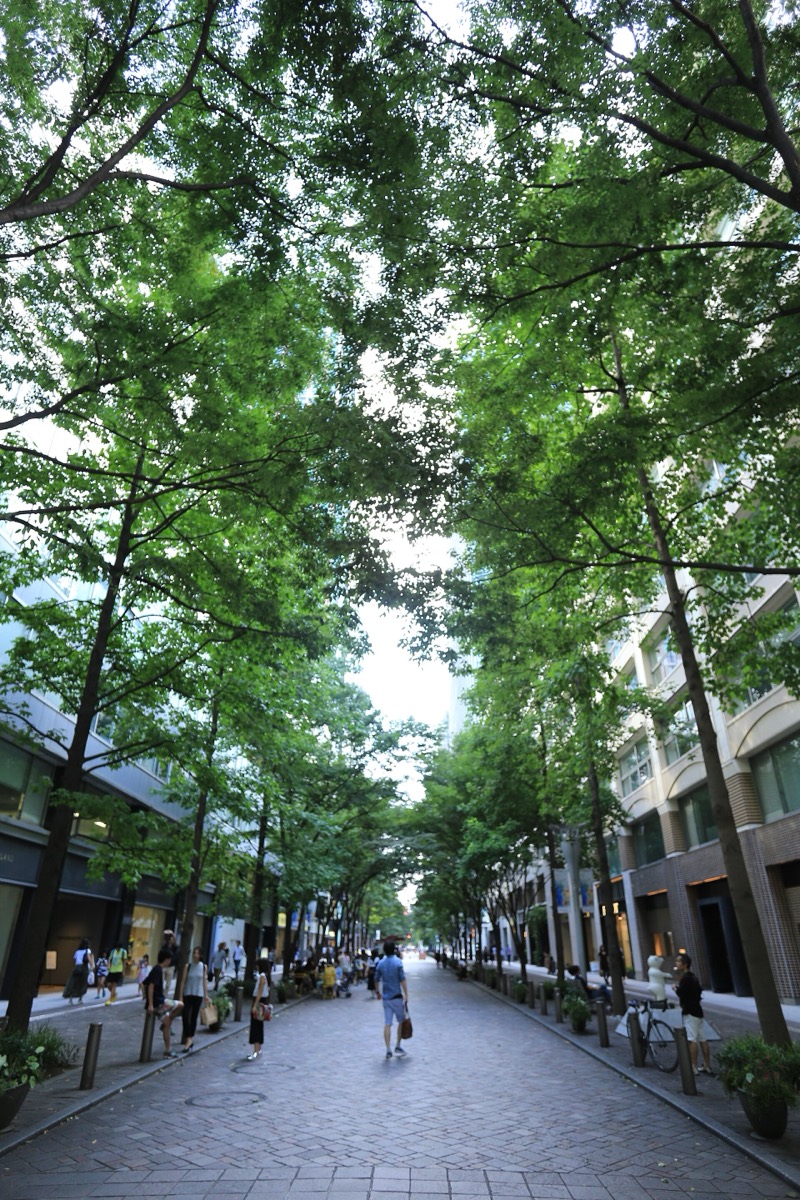 How much does one tree over a sidewalk change a summer afternoon?trees