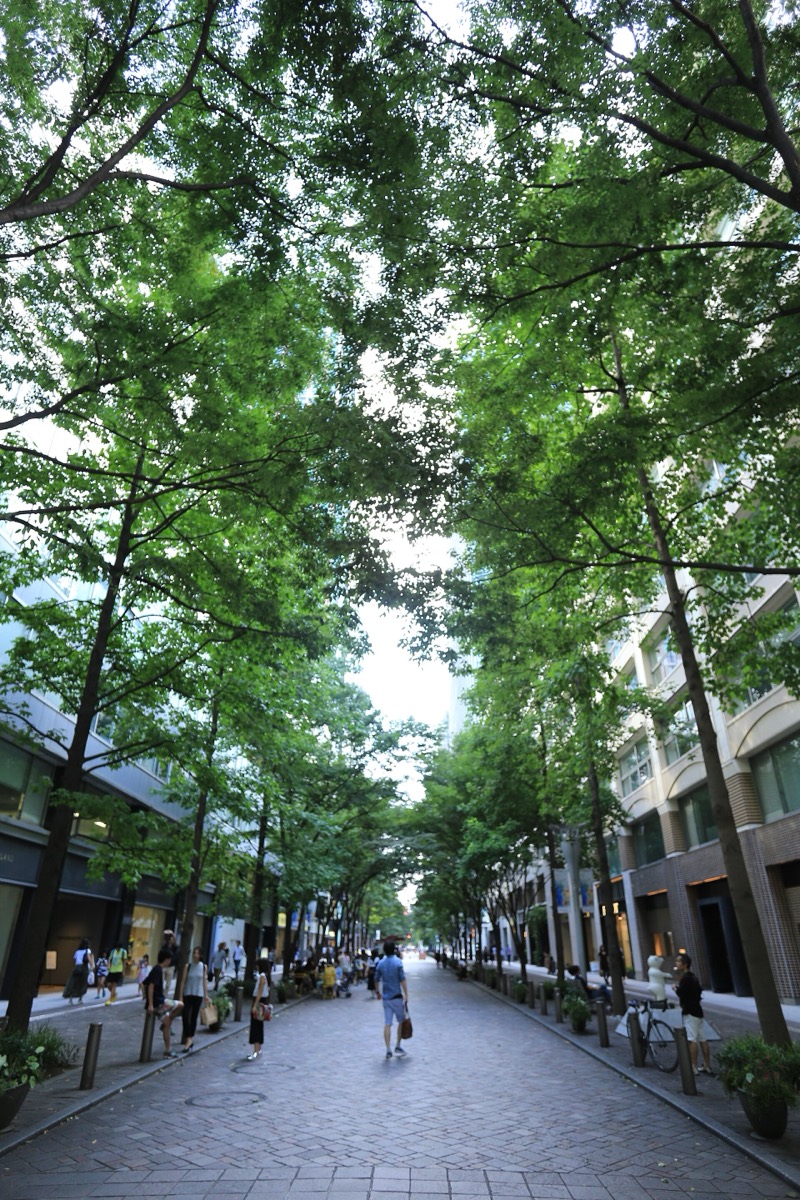
On a hot day the thermometer alone does not tell you how a person on the street feels. Shade changes the on the body, and it changes the heat coming off every surface around it. To put a number on that, a team measured sidewalk sections with trees and without them on three streets in , and interviewed the people walking past. What did they say?
More than twice as many said they felt comfortable. Under the trees plenty of people still did not feel fully at ease in the summer heat, and the share reporting came to more than double the share on the exposed sections. Shade cuts the direct sunlight and lowers the of the pavement and walls nearby. This is one city on four summer days, not a universal rate.
Urban summer is not only a matter of degrees in the air. The sun strikes the body and the pavement, and the heat that comes back off the surroundings changes how the street feels in a way a single thermometer reading never shows.
The team measured physical conditions and interviewed passers-by on three downtown streets in Montevideo. On each street they compared sidewalk stretches shaded by trees against stretches with no trees, on four separate dates through the summer.
Most people still described the summer heat as less than comfortable. Even so, the share who reported thermal comfort was more than double in the shade, and a time series analysis traced the cooling to radiant temperature rather than to the air. A decision tree over all the variables put the physical conditions ahead of personal ones, with one personal variable standing out: 46.4 percent of the women preferred a slightly colder environment.
People react to heat differently, and the shape of the street and the wind matter as well. The doubling is not a recipe that transfers to every city, and it is a good reason to look at shade exactly where people actually walk.
wat. On the shaded sidewalks of Montevideo, more than twice as many people said the heat felt bearable where trees stood.
wat wat
City planning can buy comfort at the height of a walking person, even where the air temperature over the whole street barely moves.
How do we know?
Physical measurements and structured interviews ran side by side on three downtown streets in Montevideo, on shaded and unshaded sections, across four dates in one summer.
What is still unknown
Sidewalk sections with trees differ from bare ones in other ways too. Nobody assigned the trees at random, so the study cannot fix a universal size for the effect.
Learn something?
Where to next
 If trees cancel almost half the urban heat effect, why does the thermometer barely move?climate
 Can planting trees warm a place rather than cool it?trees
 Does the Amazon still absorb more carbon than it releases?climate