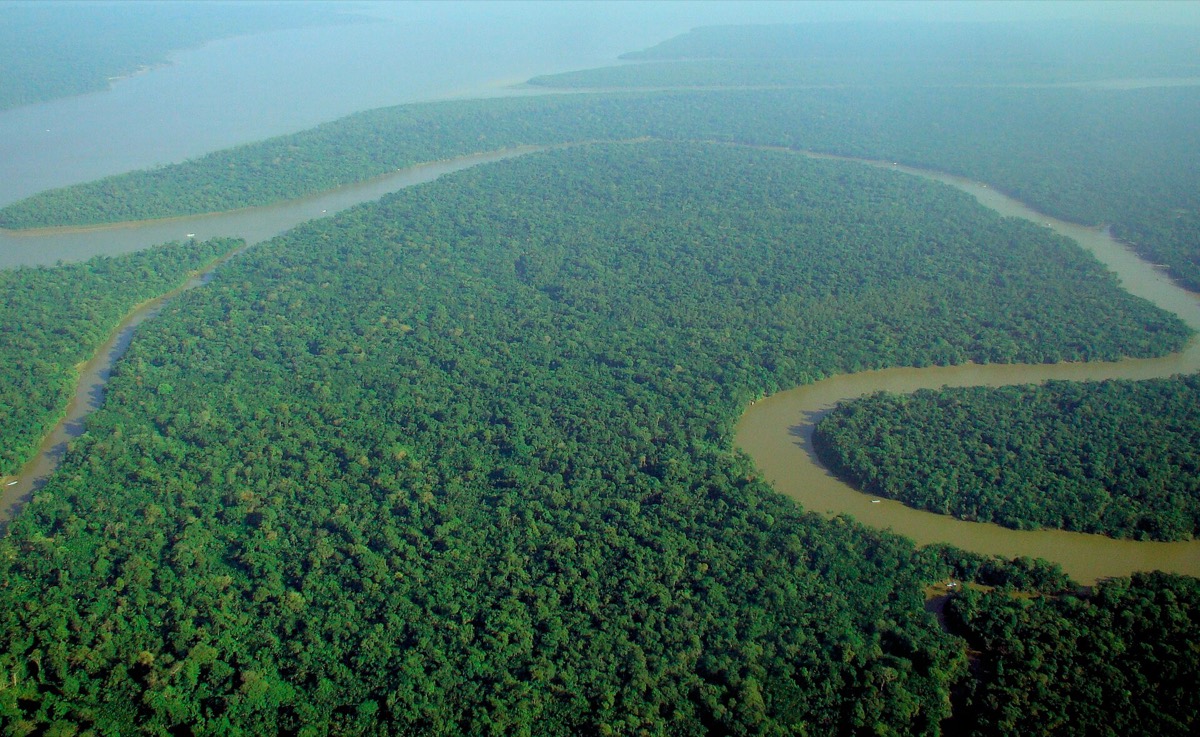
A forest takes in carbon as its trees grow and gives it back when they burn or rot, so the balance can flip, and not in the same way everywhere. To find where the Amazon stands now, researchers measured the air above different parts of it and compared them. What came out of each region?
The east, where more trees had been cleared and more had burned, released more carbon than it took in. The center and west, still wetter and more forested, stayed roughly in balance. So the accurate sentence is that the east has become a carbon source, not the Amazon as a whole. The general headline describes only part of what is happening.
The headline that ran was sharp: the Amazon has flipped from absorbing carbon to releasing it. It is , true in part, and the part it is not true for is the whole point.
The measurement was made in a way that separates regions. collected air samples at different altitudes over different parts of the basin and measured what entered and what left each area, instead of giving one number for the basin as a whole.
What came back was two different pictures. The eastern region, hit by wide and harsher conditions, has become a net source of carbon, mostly through fire. The central and western regions, still wet and forested, did not show the same trend clearly.
That is the practical conclusion. Report this as a single average and it reads as though the whole forest has given up and nothing can be done. The breakdown says the opposite: forest kept intact still works as a , so targeted protection pays. Those research flights covered a limited period and part of the basin, so the long-run trend is not settled.
wat. The less forested east of the Amazon already releases more carbon than it absorbs. The wetter center does not.
wat wat
The regional split matters for policy: forest kept intact still works as a carbon sink, which strengthens the case for stopping deforestation where it is happening.
How do we know?
Research flights collected air samples at different altitudes over different parts of the basin and measured the carbon dioxide going into and out of the forest in each region separately.
What is still unknown
The measurements cover a limited period and part of an enormous basin, so the longer-term trend is still uncertain.
Learn something?
Where to next
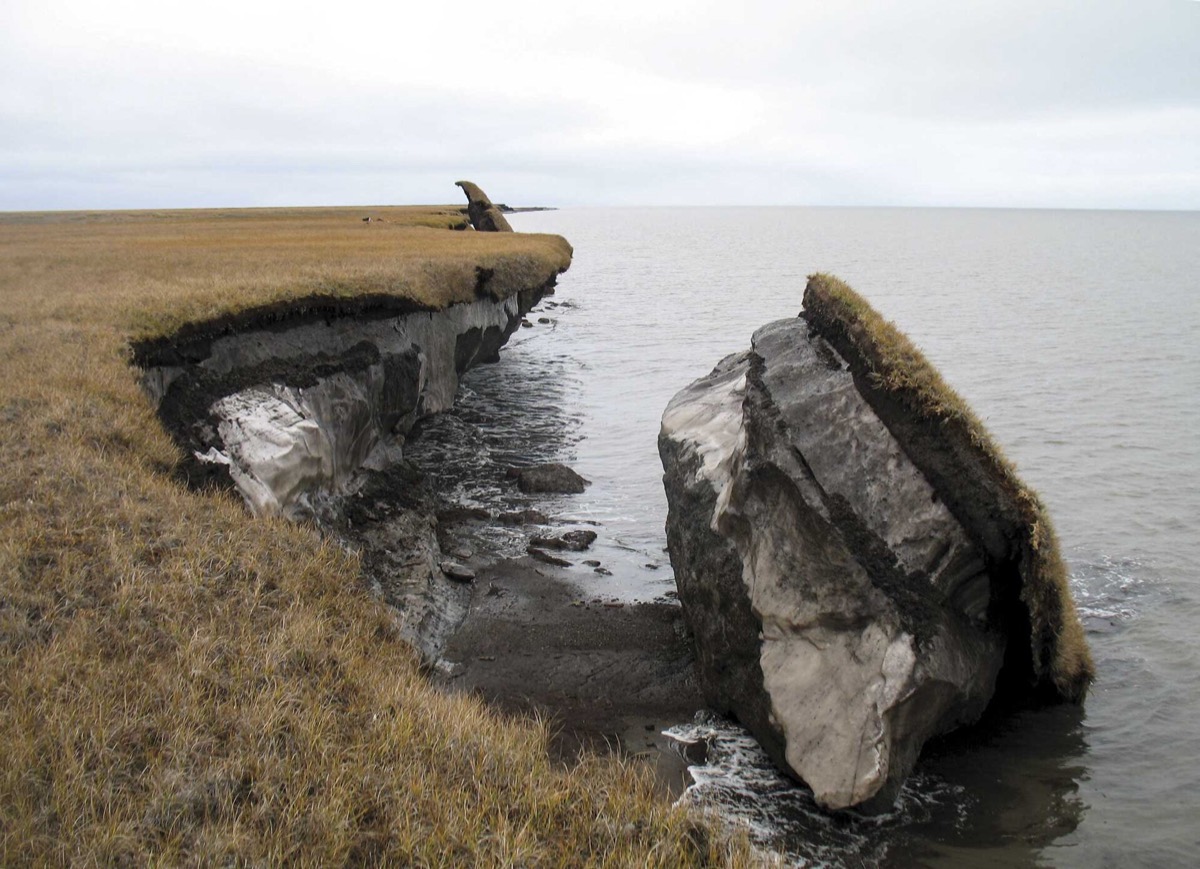 What comes out of the frozen ground of the north when it thaws?climate
 Can planting trees warm a place rather than cool it?climate
 If trees cancel almost half the urban heat effect, why does the thermometer barely move?climate