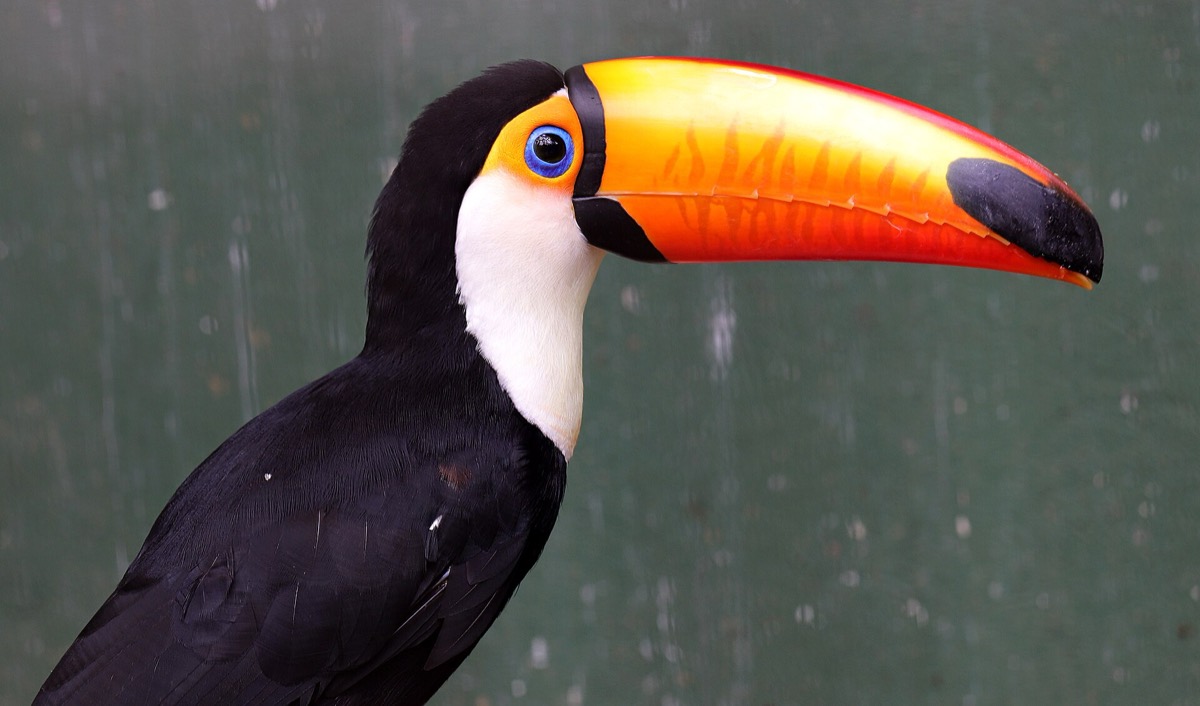
A beak runs to about a third of the bird's length, and the standard answers are a display ornament or a tool for reaching fruit. Neither answer explains the dense network of blood vessels inside it. Tattersall and colleagues pointed an infrared camera at toucans across a range of air temperatures. What did the heat do?
The beak works as a radiator. showed toucans raising and lowering blood flow to the bill as the air temperature changed, so the surface ran hot when they needed to shed heat and cool when they did not. A bird with no sweat glands can dump a large share of its body heat through a surface it controls, which puts the bill squarely in charge of .
A toco toucan's beak takes up roughly a third of the bird's length. Accounts of why it got that big usually settle on courtship display or on handling fruit, and both leave the dense blood supply inside it unexplained.
Tattersall and colleagues reached for infrared thermography, which reads surface temperature at a distance and so lets a bird be watched without handling it. They held toucans at a range of ambient temperatures and recorded how the surface of the bill behaved.
The surface changed, and it changed under the bird's own control. Blood flow to the bill rose when heat had to go somewhere and fell when it did not. That is the signature of a rather than a passive fin: a surface the toucan can switch on.
Birds do not sweat, so dumping heat means moving it to a bare surface and letting air carry it away. A bill that size, richly supplied with vessels and held out in the airstream, is well placed for the job, and thermoregulation may be the pressure that built it. Display and fruit handling can still be part of the story.
wat. An ornament would not need a blood supply the bird can turn up and down, and that is the clue the camera caught.
wat wat
An organ everyone read as decoration turns out to be plumbing, and the same logic now gets applied to oversized bills and ears across warm-climate species.
How do we know?
Tattersall and colleagues filmed toco toucans with an infrared camera at a range of ambient temperatures, which reads surface heat from a distance and leaves the bird undisturbed.
What is still unknown
Surface temperature is a proxy for heat loss rather than a direct measurement of it, and showing that the bill can dump heat does not prove that is why it grew.
Learn something?
Where to next
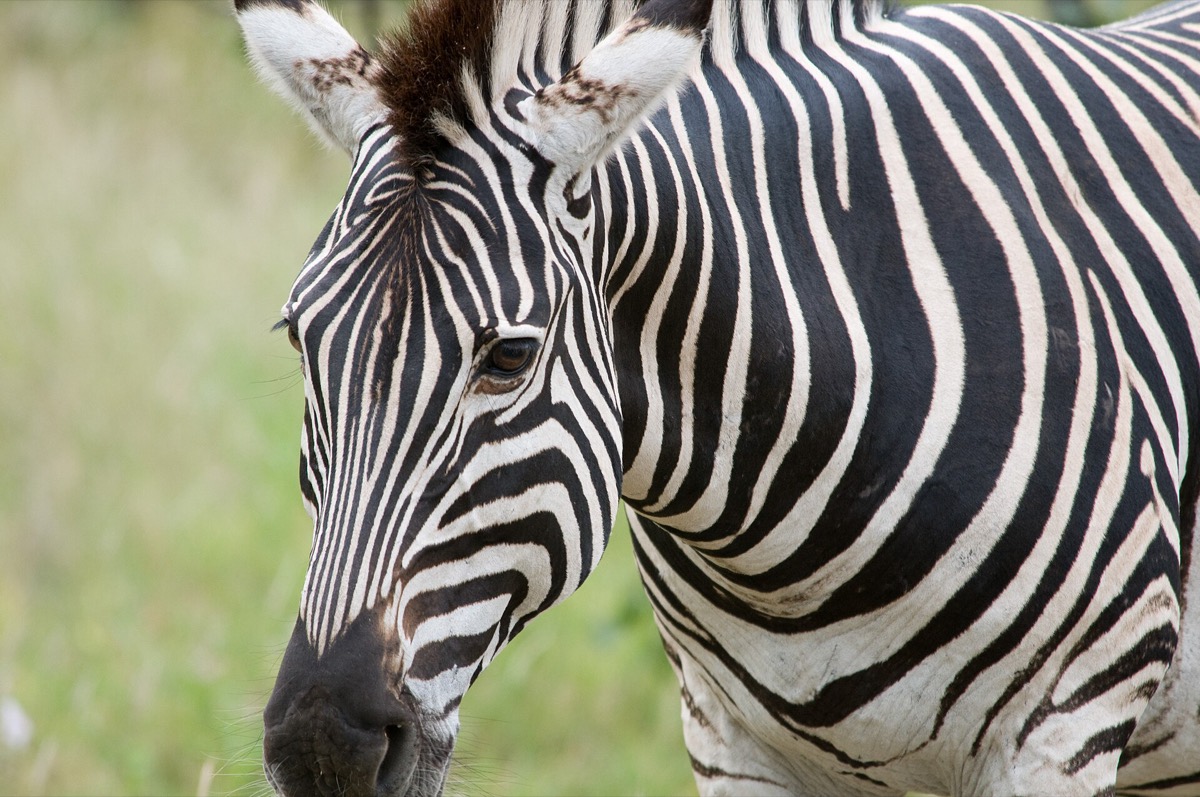 Do the black and white stripes really cool a zebra down?heat
 Does a bee see the world differently once it starts moving?heat
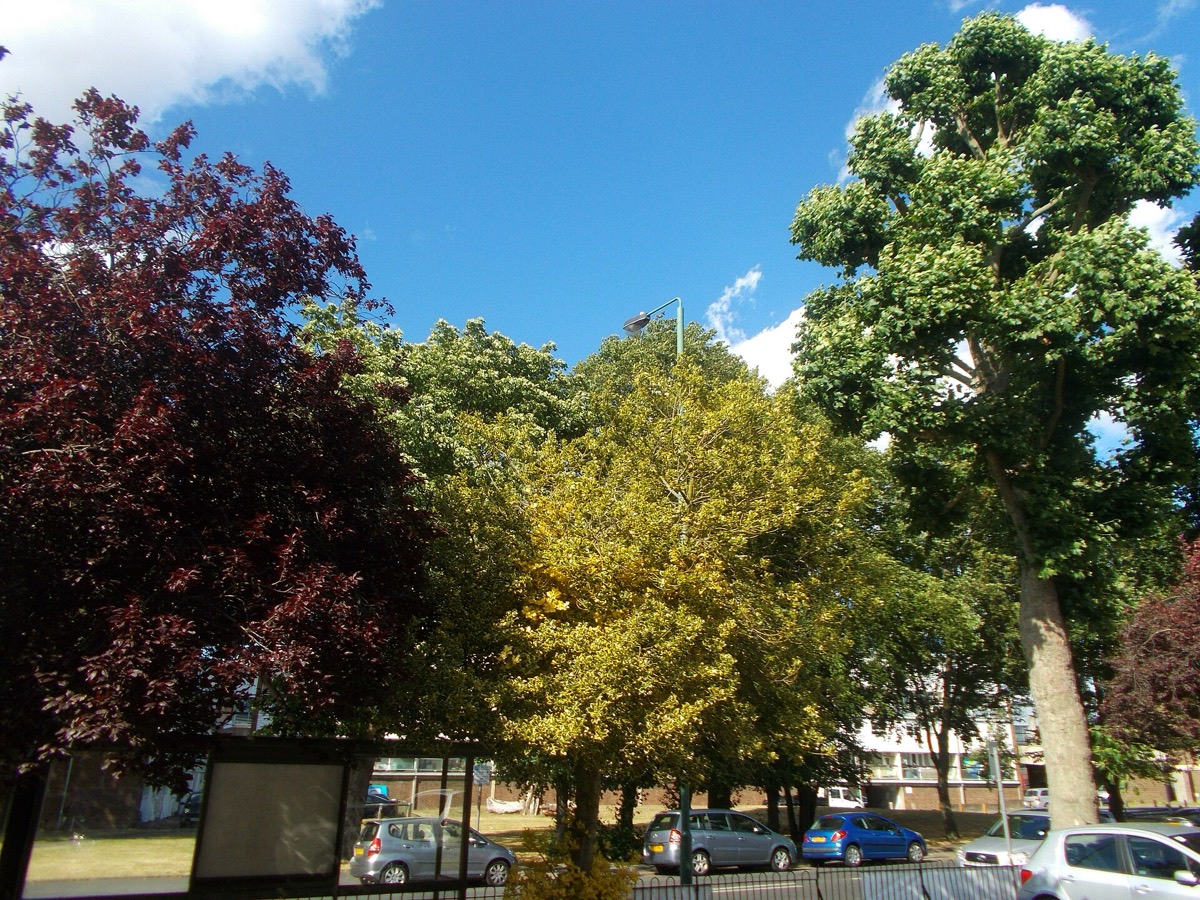 If trees cancel almost half the urban heat effect, why does the thermometer barely move?heat