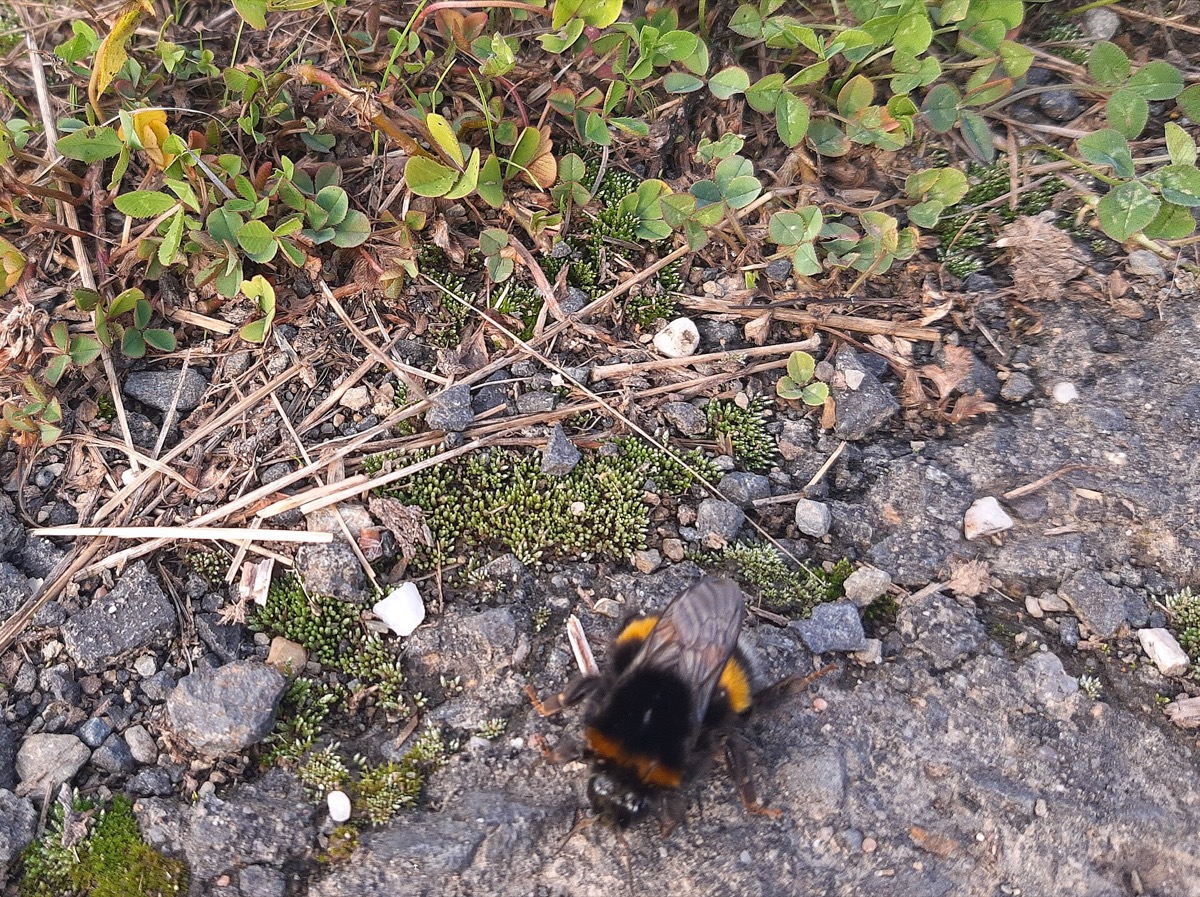
A moving insect faces far more visual change per second than a sitting one, and the usual account puts the speed-up in the brain rather than the eye. do answer faster when they are warm, though. Rother and colleagues tethered bumblebees over an and recorded their eyes while the insects sat and then walked. What changed at the retina?
The eye itself sped up. from walking bumblebees showed visual processing running much faster than in the same bees sitting still, and the speed rose in step with eye temperature. Warming a resting bee’s head artificially reproduced the whole effect. Walking buys the visual system roughly what a fourteen-fold increase in light intensity would buy it.
An animal in motion faces more visual change per second than a still one, and insect brains are known to shift gear during locomotion. The photoreceptors at the front of the eye were taken to be fixed, a sensor that simply reports whatever arrives.
Warm photoreceptors do run faster, and insects warm up to fly, so the two facts have sat next to each other for years without anybody joining them. Rother and colleagues joined them. They tethered bumblebees above an air-supported ball, which the insect turns under itself, and took electroretinograms while it sat and while it walked.
Walking raised the processing speed sharply, and eye temperature rose in step with it. To test which way the arrow pointed, the team warmed the heads of resting bees to the same temperature. The speed-up came back in full, which makes temperature sufficient on its own.
The size of the gain is what sells it: walking buys the eye roughly what a fourteen-fold increase in light would buy it. , in other words, is not a fixed property of a species but something the animal sets by what it is doing. Heat is the knob, and the bee turns it by moving.
wat. Locomotion warms the eye, a warmer photoreceptor answers sooner, and so part of the speed-up happens before any signal reaches the brain.
wat wat
A sense organ that changes its own speed with the animal’s behavior blurs the line between sensing and acting, and the change starts at the first cell in the chain.
How do we know?
Rother and colleagues recorded electroretinograms from tethered bumblebees sitting and walking on an air-supported ball, logged eye temperature throughout, then warmed resting heads to match.
What is still unknown
The bees were tethered rather than flying freely, and one species under laboratory heating does not settle how much of the effect matters in the field.
Learn something?
Where to next
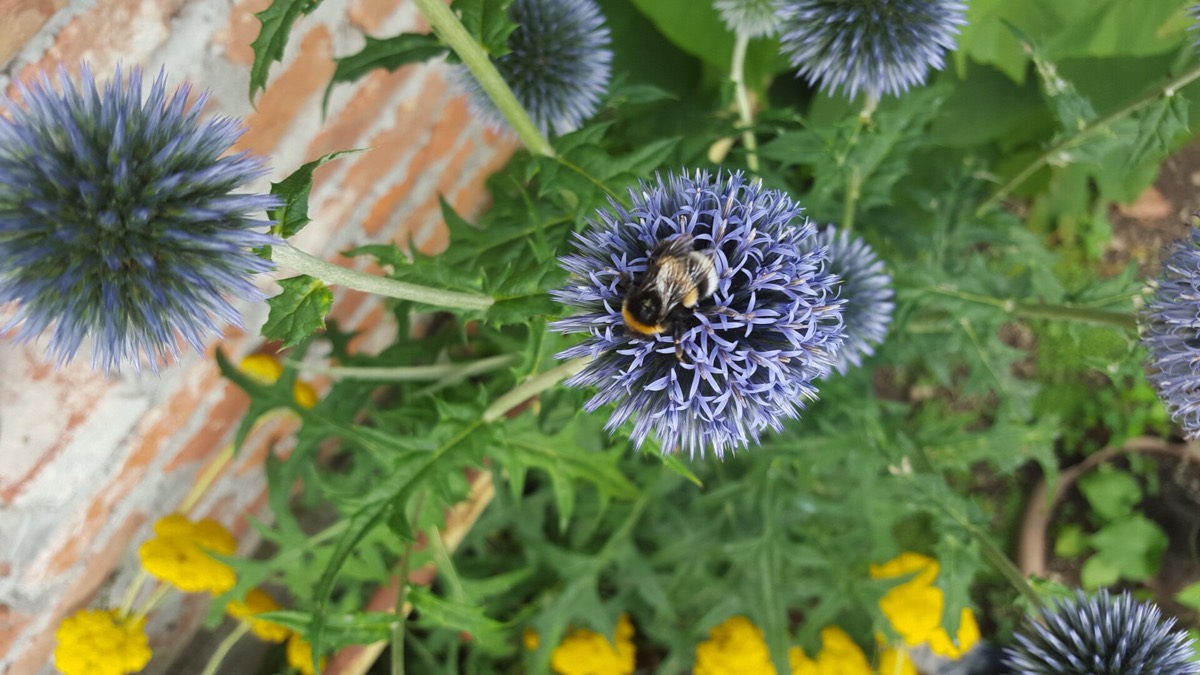 What can a bumblebee learn but never invent on its own?bees
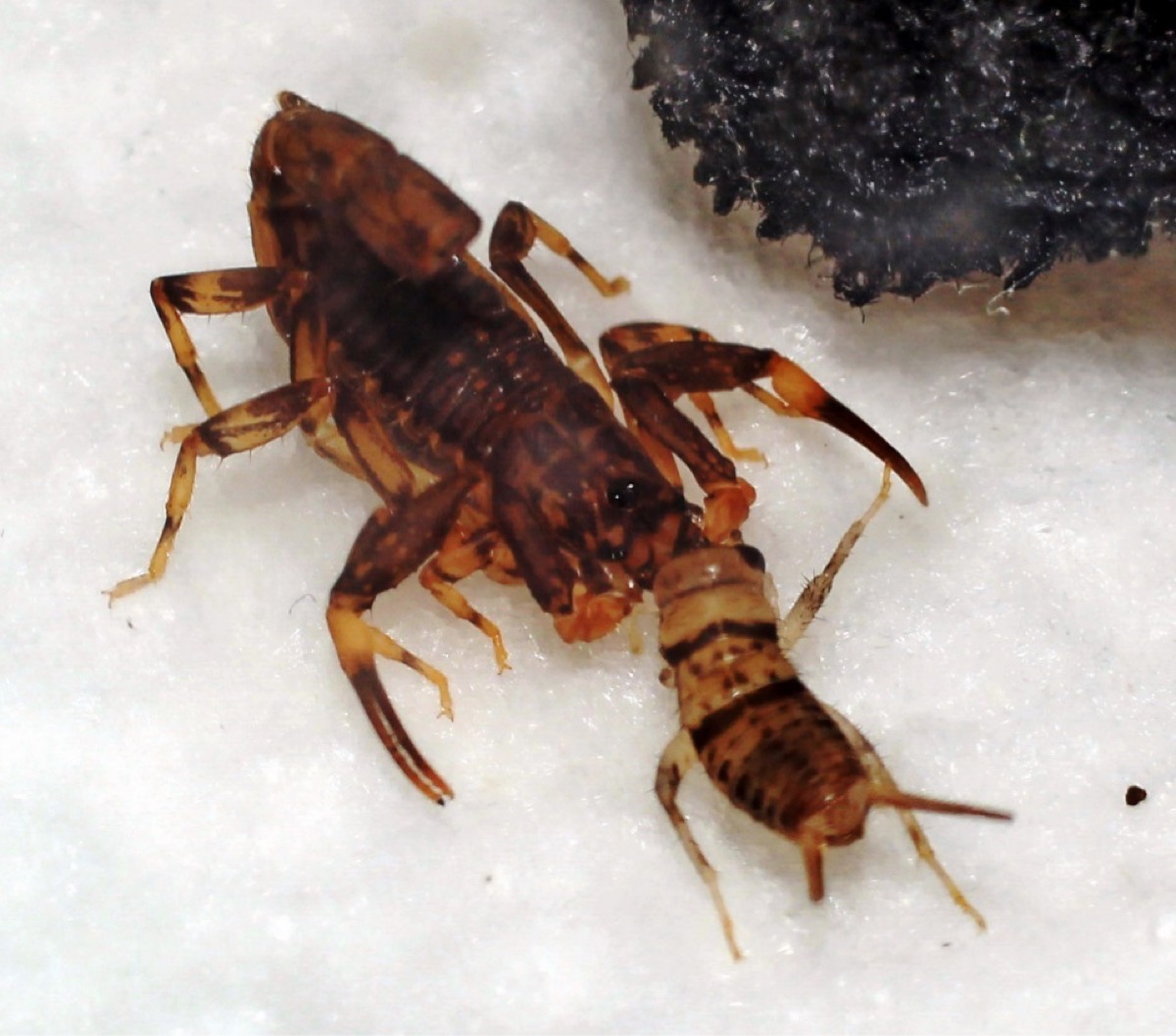 A scorpion gave up its tail to escape. How does it live on with no anus?movement
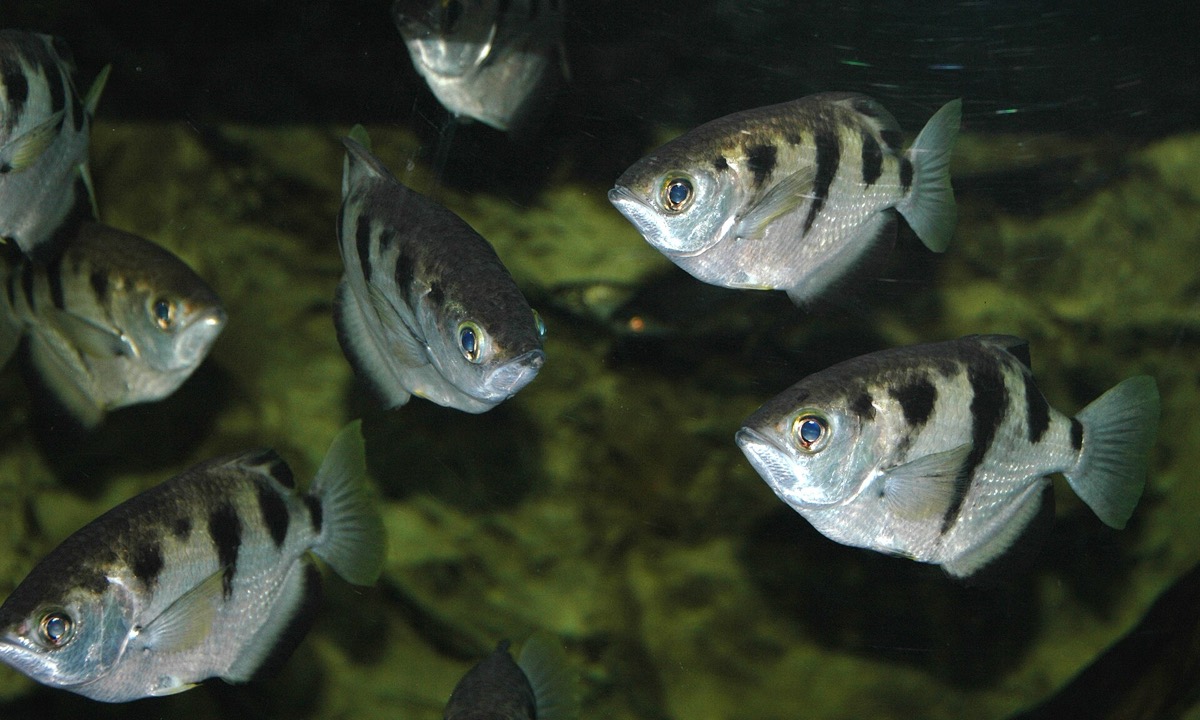 A fish has no cortex like ours. So how does it tell faces apart?vision