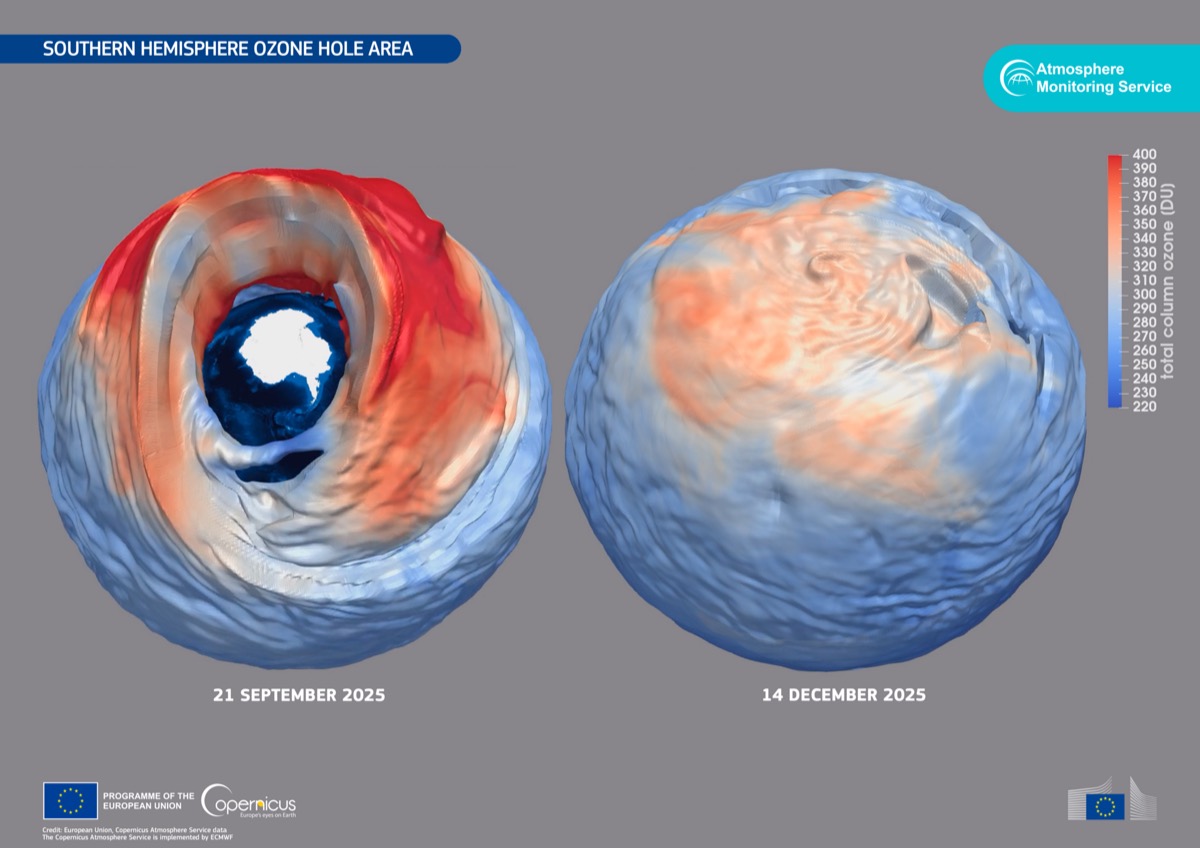
The long-term trend says yes. The World Meteorological Organization reported in September 2025 that the is healing, and that the 2024 ozone hole was smaller than in recent years. The has phased out more than ninety-nine percent of the production and consumption of controlled ozone-depleting substances.
The organization is careful about the single year, though. It reports that the low level of depletion observed in 2024 was partly due to naturally occurring , which drive fluctuations from one year to the next. The long-term positive trend is the part attributed to concerted international action. On current projections the layer returns to nineteen-eighties levels by the middle of this century.
The World Meteorological Organization issued its Ozone Bulletin on 16 September 2025, for World Ozone Day and the fortieth anniversary of the . The headline is that the Earth’s protective ozone layer is healing, and that the ozone hole in 2024 was smaller than in recent years.
The treaty history is the reason. The Vienna Convention recognized stratospheric ozone depletion as a global problem and set up the framework for international cooperation in ozone research, systematic observations and scientific assessments. Its Montreal Protocol has since led to the phase-out of over ninety-nine percent of the production and consumption of controlled ozone-depleting substances, which had been used in refrigeration, air conditioning, firefighting foam and hairspray.
The projection that follows is specific. The ozone layer is now on track to recover to nineteen-eighties levels by the middle of this century, which significantly reduces the risks of skin cancer, cataracts and ecosystem damage from excessive ultraviolet exposure. Secretary-General António Guterres called the Convention and Protocol a landmark of multilateral success.
The bulletin is honest about the single year. It reports that naturally occurring atmospheric factors, which drive year-to-year fluctuations, accounted for part of the low depletion seen in 2024. The long-term positive trend reflects the success of concerted international action. Two cautions follow from that. A smaller hole in one year is not by itself evidence of recovery, and this is a press release summarizing a bulletin rather than the full scientific assessment.
wat. Ninety-nine percent of the chemicals are gone, and the layer is on course to recover by mid-century.
wat wat
It is the rare global environmental problem with a proven fix. The substances were in refrigeration, air conditioning, firefighting foam and hairspray, and nearly all of them are gone.
How do we know?
The WMO Ozone Bulletin, issued for World Ozone Day, draws on the systematic observations and scientific assessments coordinated under the Vienna Convention, and reports both the year’s hole and the long-term trend.
What is still unknown
A press release accompanying a bulletin rather than the underlying assessment. Its own caution matters: a single smaller hole is partly natural variability, so the year is not the evidence and the trend is.
Learn something?
Where to next
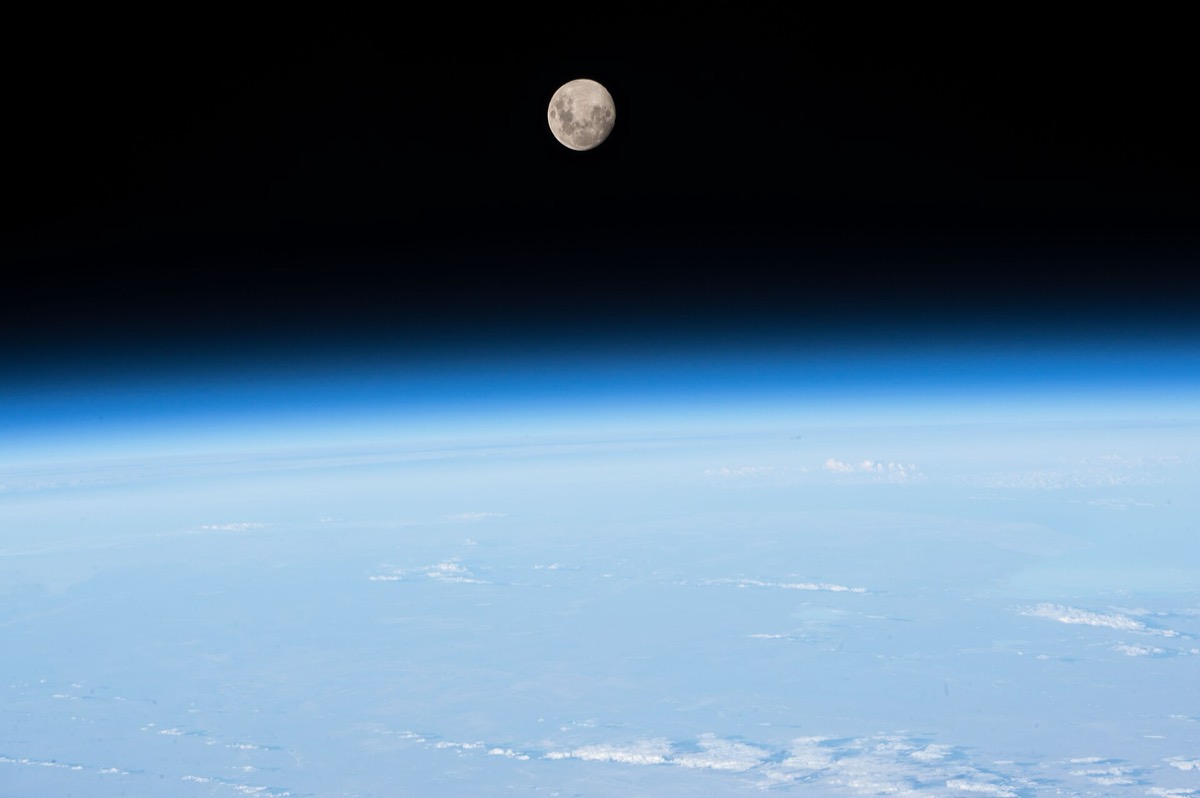 How much of the atmosphere is the part we live in?atmosphere
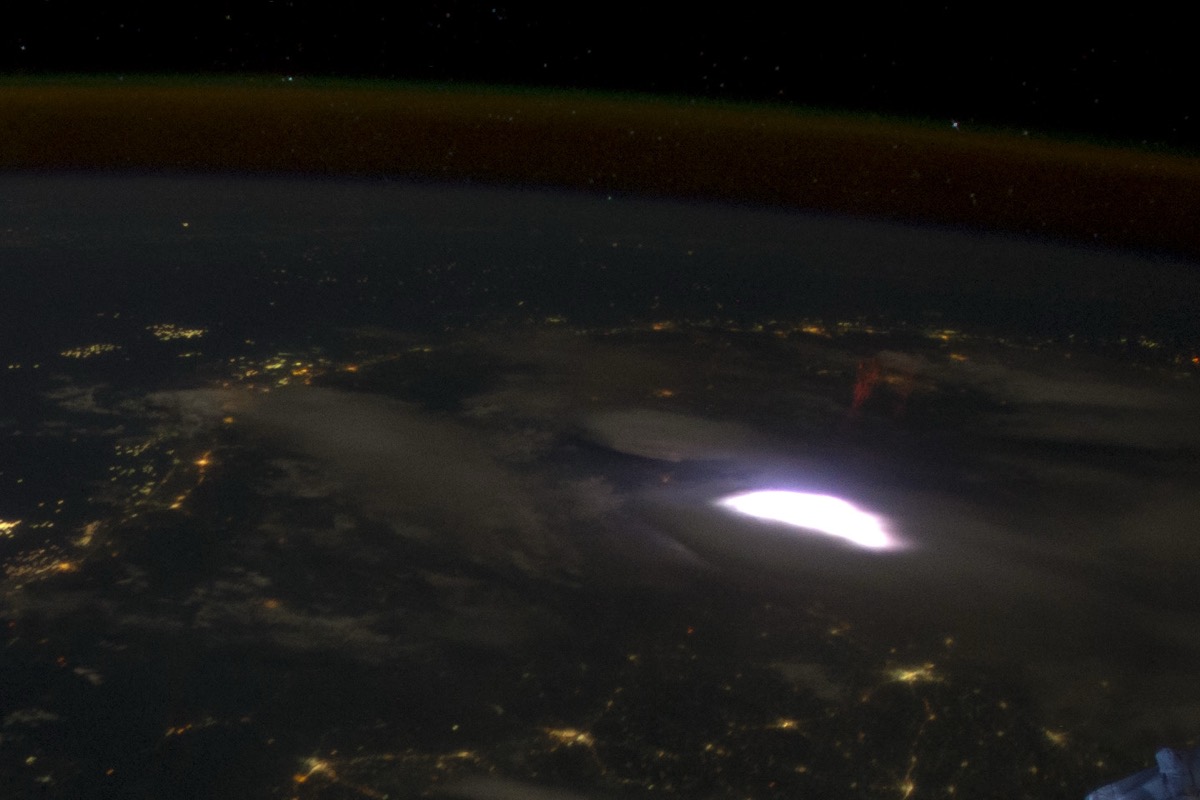 What is the red flash that appears above a thunderstorm?atmosphere
 Does the night sky glow even where there are no auroras?atmosphere