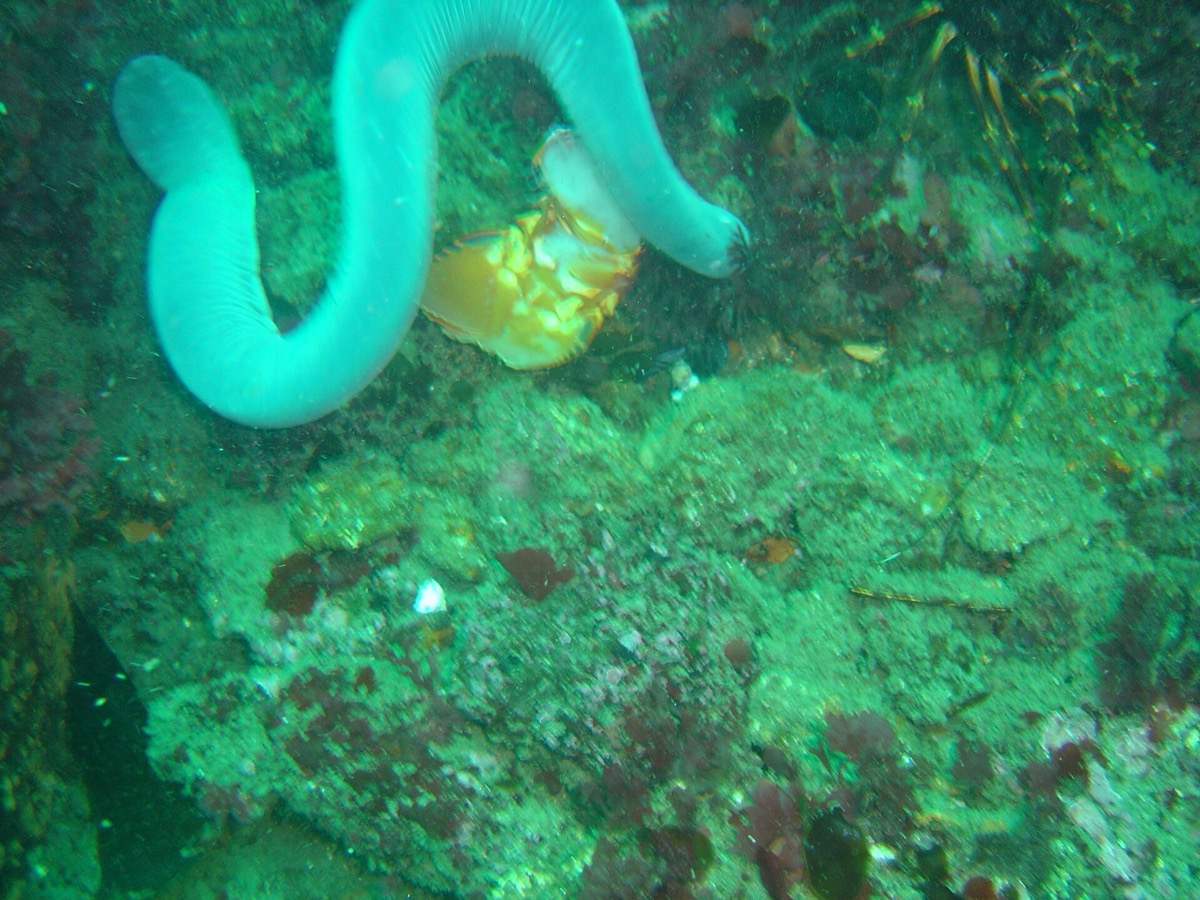
A harassed hagfish produces a startling quantity of slime, and the precise ecological function of it was unclear. One proposal is defense against gill-breathing predators, whose gills might become entangled in the mixture of and fibrous threads during an attack. That is a claim about water flow.
Clogging gills, on this evidence. The authors had already shown the slime does not bind water tightly but behaves like a fine sieve that slows water via . Measuring flow through an artificial gill model and real fish gills, the slime is capable of clogging gills and raising the they present.
Hagfish produce substantial amounts of slime when harassed, and the precise ecological function of that slime was unclear. One possibility is defense against gill-breathing predators, whose gills may become entangled with the mixture of mucins and fibrous threads during an attack.
The groundwork was already laid. The authors had already shown that hagfish slime does not bind water tightly, but instead behaves like a fine sieve that slows water down via viscous entrainment.
Those properties are consistent with the , and consistency is not a test. So they quantified the effects of the slime on water flow through an artificial gill model and through real fish gills.
The results indicate the slime is capable of clogging gills and increasing the resistance they present to flow. What that establishes is the mechanism rather than the outcome of any particular encounter, which still happens in open water where nobody is measuring.
wat. The slime is a sieve, and a sieve in a gill is a breathing problem.
wat wat
A defense that works on the attacker’s breathing rather than on its appetite is an unusual way to survive a bite.
How do we know?
Lim and colleagues quantified the effects of hagfish slime on water flow through an artificial gill model and through real fish gills, following their earlier work on how the slime holds water.
What is still unknown
Gill models and excised gills are not a predator in the act, so this shows the mechanism is available rather than that it decides encounters.
Learn something?
Where to next
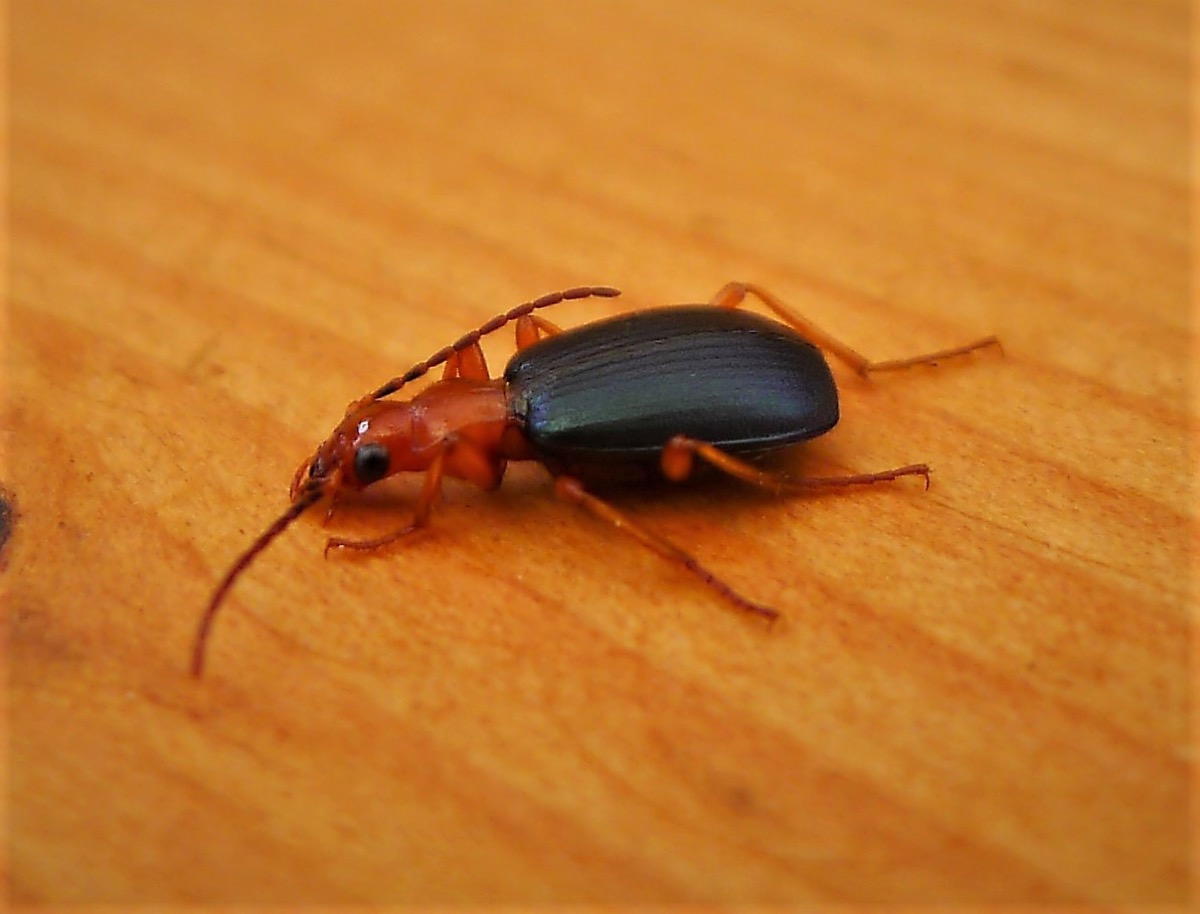 How does a small beetle fire liquid at boiling point?biomechanics
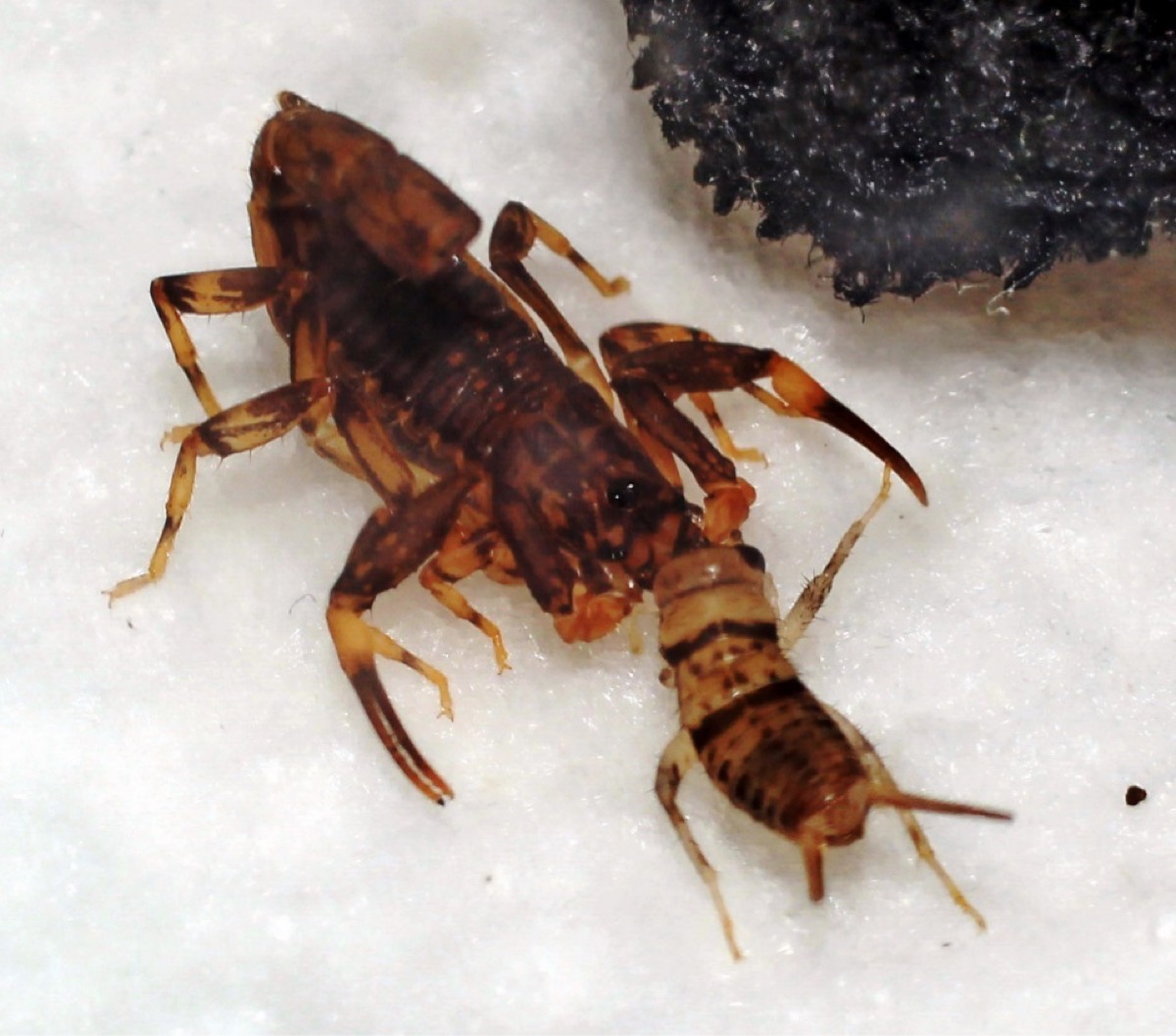 A scorpion gave up its tail to escape. How does it live on with no anus?defense
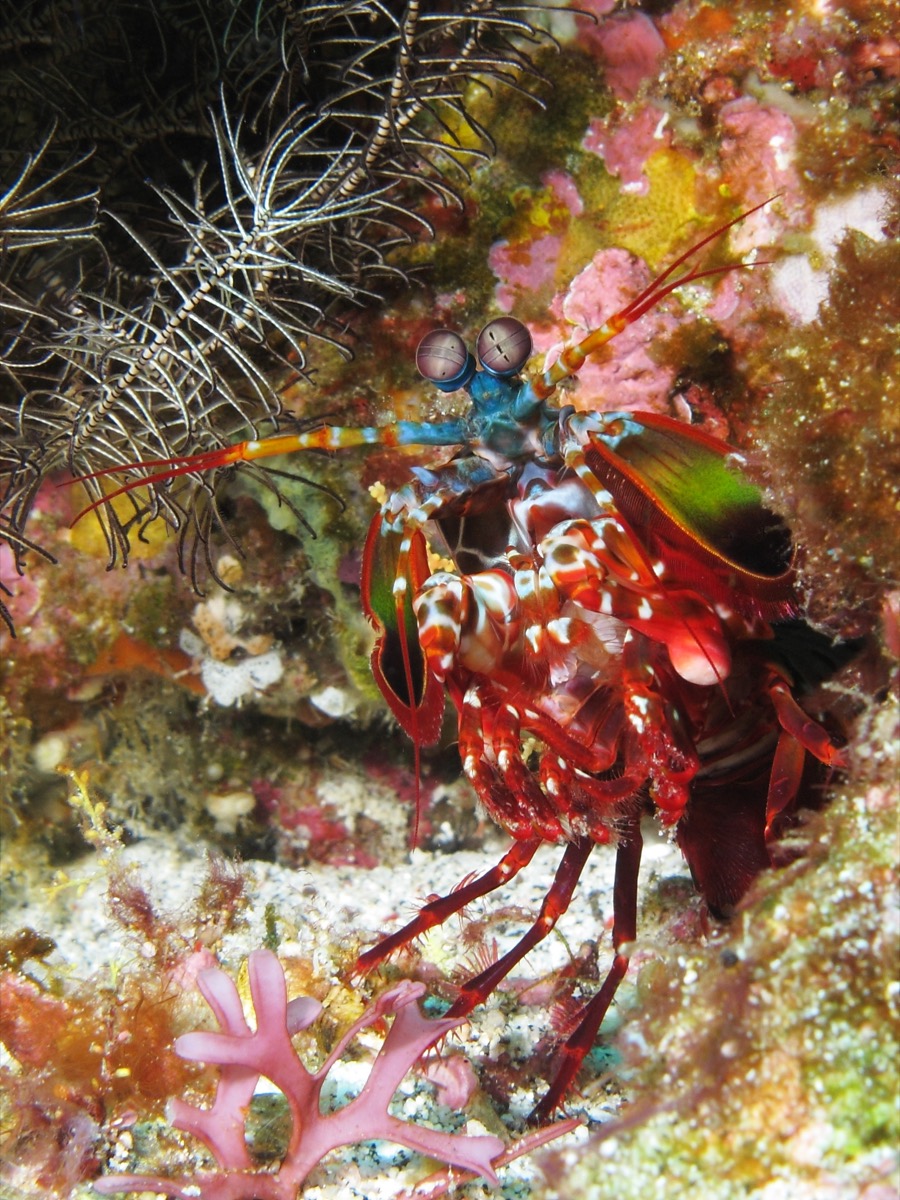 How does a shrimp break a shell underwater?biomechanics