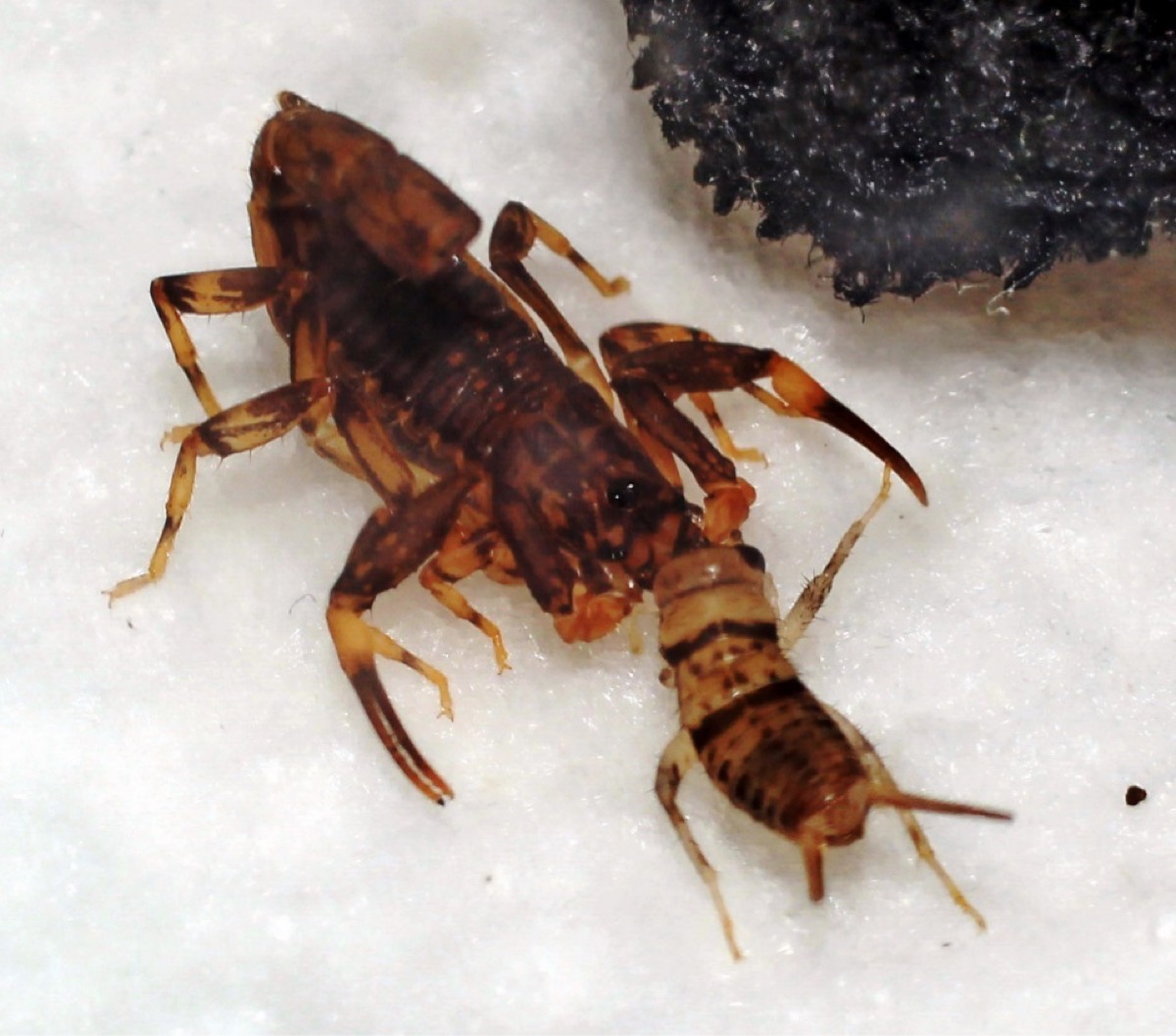
Ananteris scorpions can detach the rear part of the abdomen when something grabs them, an that lets them escape. Along with the "tail" they lose about a quarter of their body weight, and that includes the anus, which does not grow back. How do they carry on?
For months, and then not. showed running speed did not drop immediately after the detachment. Months later the males became slower, and even scorpions suffering severe constipation kept the ability to move and to mate for a long while. Which is , and natural selection measures reproduction rather than health.
Scorpions of one genus can detach the rear part of the abdomen when something grabs them, and so get away. Unlike a lizard’s tail, that part does not grow back.
The price is not only about a quarter of the body weight. The goes with it, so the scorpion carries on eating and cannot excrete.
In the experiment the running speed did not drop immediately after the detachment. Only months later did the males become slower, and even scorpions suffering severe constipation kept the ability to move and to mate for a long while.
Which explains how the trait survived: natural selection measures reproduction and not health, so a postponement of months is enough. The experiment ran on one species in laboratory conditions, the later decline appeared in males and not females, and there is no proof that scorpions in the wild manage as well.
wat. An Ananteris scorpion can escape without a quarter of its body and without an anus, then keep moving for months before the constipation finishes it.
wat wat
It is a delayed cost: the lethal price of a defense is not necessarily immediate, and a postponement of months can be enough for an animal to reproduce.
How do we know?
The researchers measured the running speed of males and females before the tail was detached, immediately afterwards and over time, and compared scorpions given different amounts of food.
What is still unknown
The experiment ran on one species of scorpion in laboratory conditions. The later drop in speed appeared in males and not in females, and there is no proof that scorpions in the wild do as well.
Learn something?
Where to next
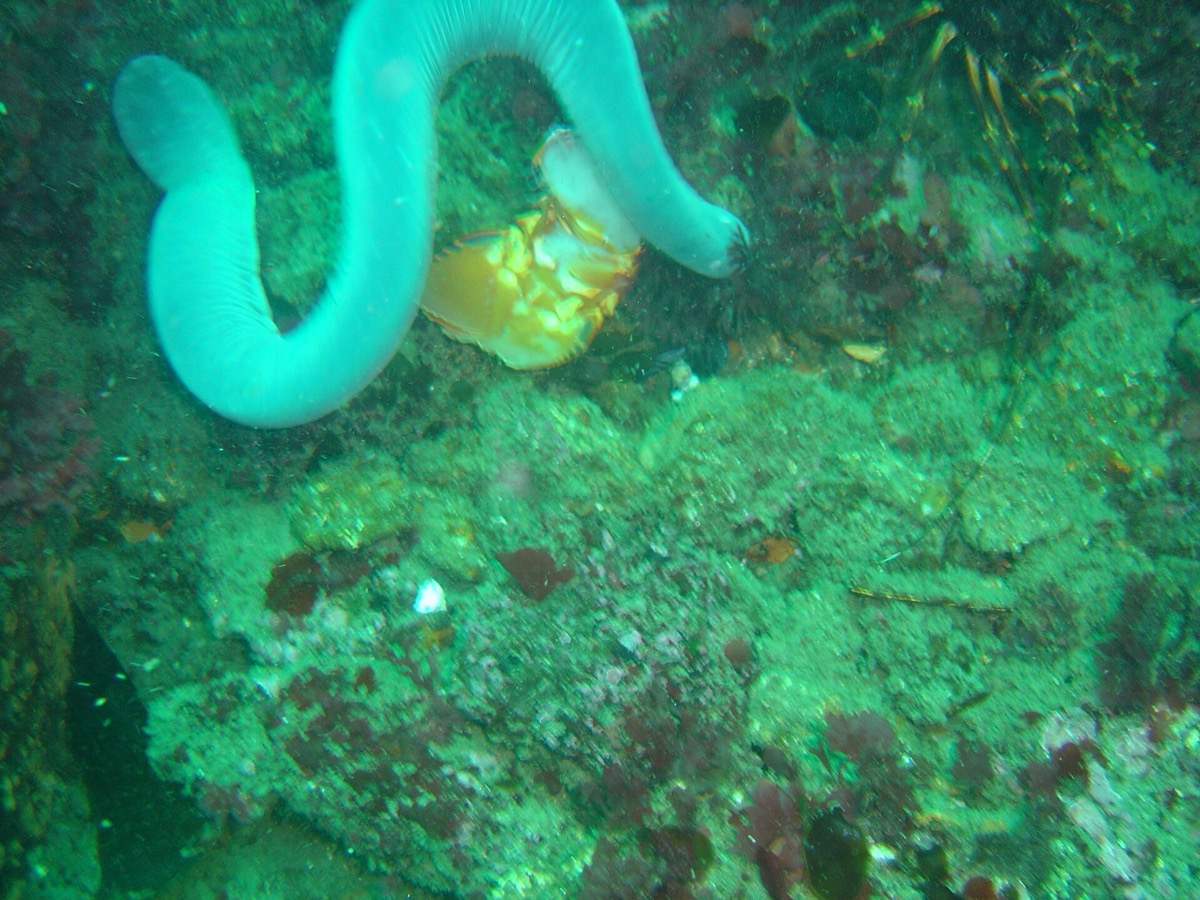 What is hagfish slime actually for?defense
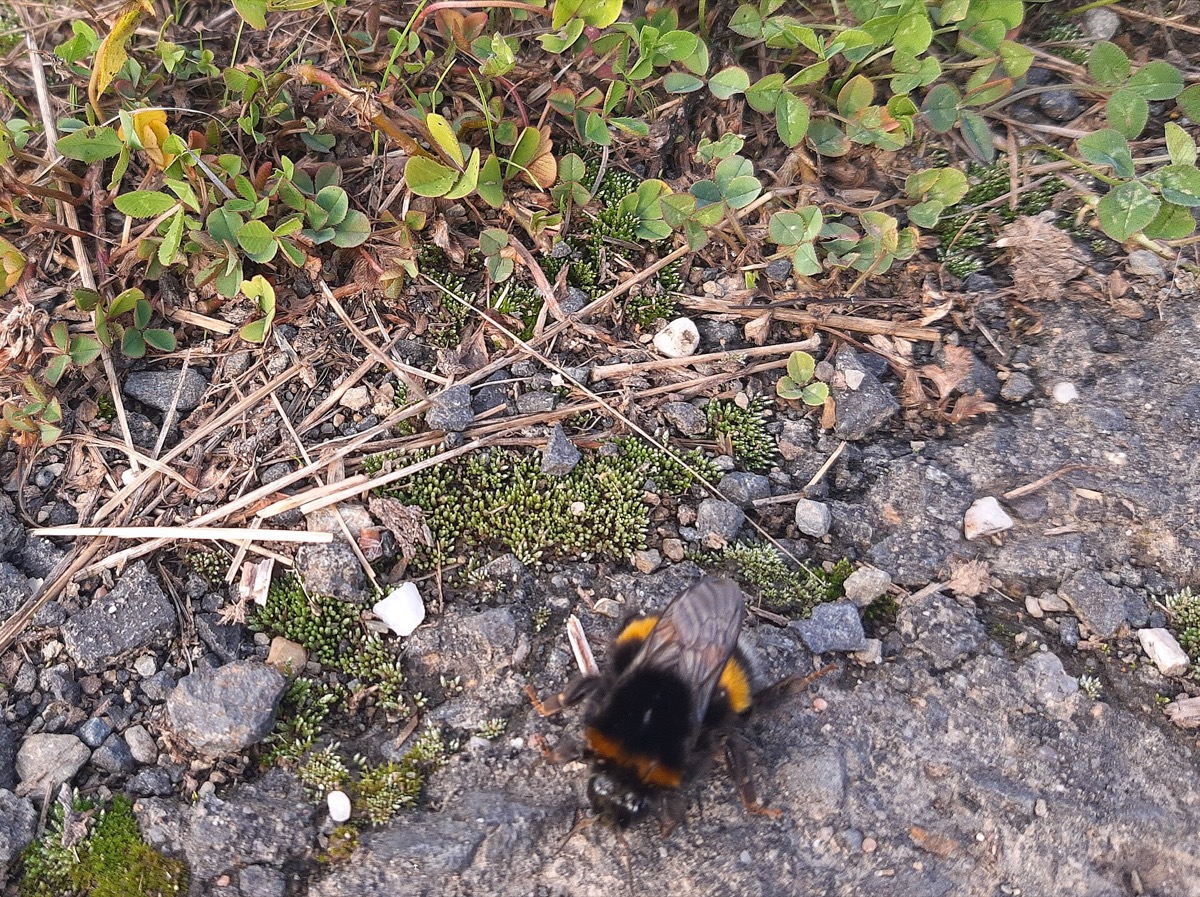 Does a bee see the world differently once it starts moving?movement
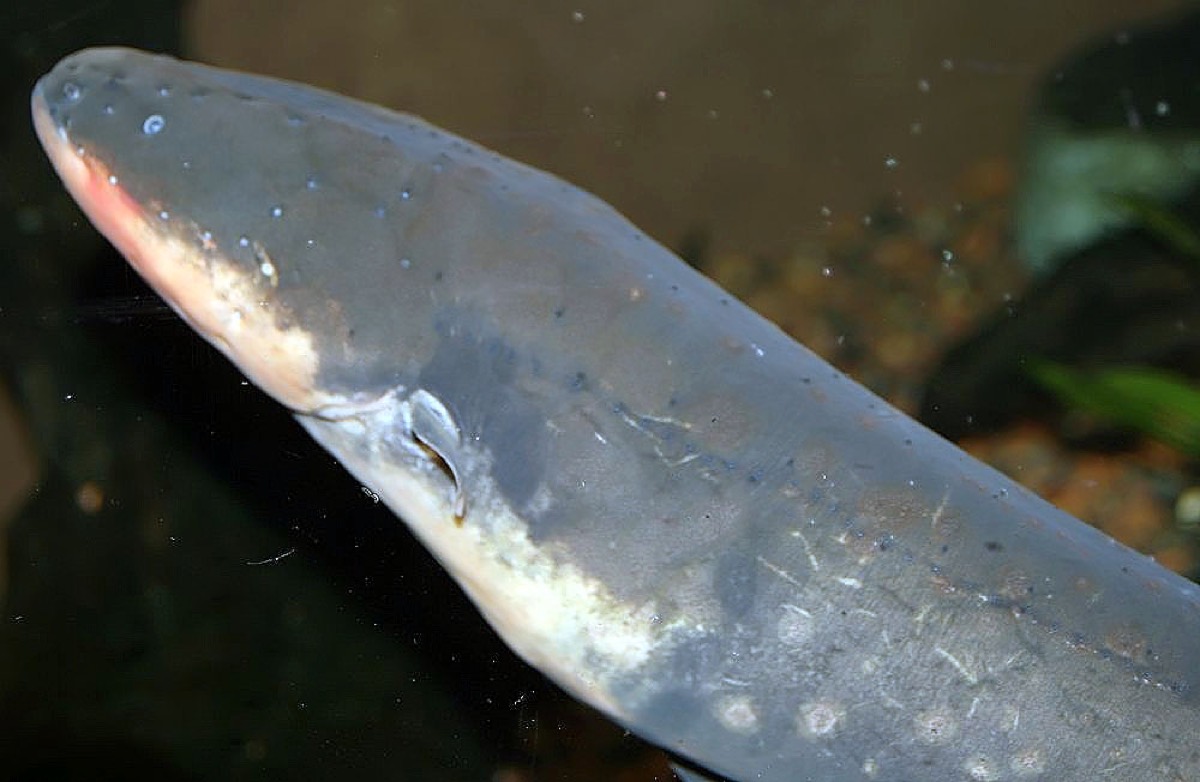 Why would an electric eel climb out of the water to attack?defense