
Intrusive visual memories after trauma are distressing, disruptive, and almost nothing exists to prevent them. Laboratory work suggested a reason to try something odd: a game with heavy demands might interfere while the sensory part of the memory is still consolidating. So an emergency department trial gave patients a trauma reminder cue plus about 20 minutes of Tetris within six hours of a road accident. Did the intrusions change?
Fewer intrusions, and they faded faster. Patients given the Tetris intervention reported fewer intrusive trauma memories over the following week than patients given an , a written activity log of the same length. Time-series analysis showed intrusion incidence declining more quickly as well. Clinical post-trauma intrusion symptoms agreed at one week. They did not agree on other symptom clusters, or at one month.
Recurrent intrusive visual memories after psychological trauma are distressing and disruptive, and preventive interventions are essentially missing from the clinic. What exists is a mechanism from cognitive neuroscience. takes some hours after the event, and during that window the sensory elements of a trauma memory can in principle be interfered with.
The prediction follows from the mechanism. A task with high visuospatial demands should compete with the sensory part of the trauma memory and reduce the number of intrusions it later produces. Tetris is about as visuospatially demanding as a cheap, portable, easily explained task gets.
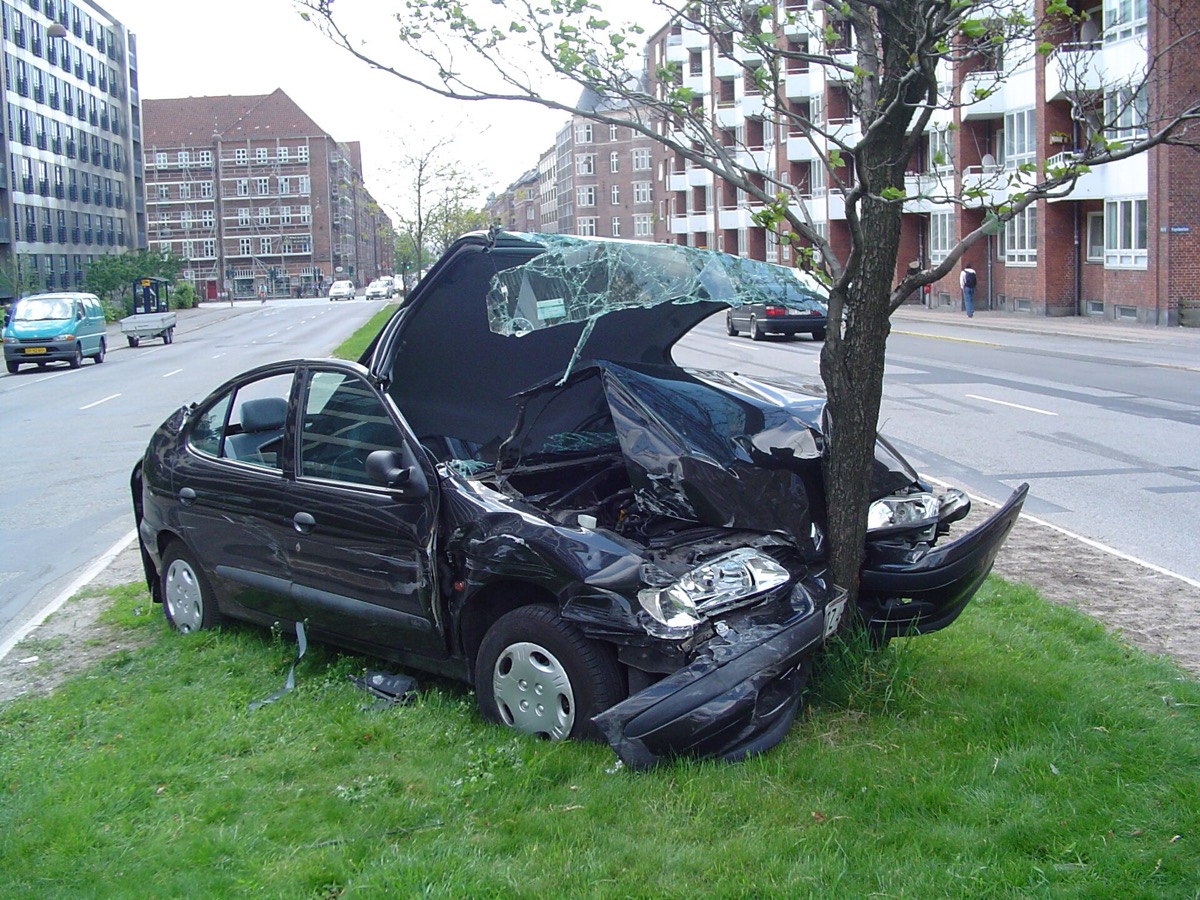
The trial delivered a trauma memory reminder cue plus roughly 20 minutes of game play. The comparison was an attention-placebo control: a written activity log of the same duration, given inside an emergency department within six hours of a motor vehicle accident. The primary outcome was the number of intrusive trauma memories over the following week.
It worked on that outcome. There were fewer overall in the Tetris group, and time-series analyses showed intrusion incidence declining more quickly. Convergent findings appeared on a clinical measure of post-trauma intrusion symptoms at one week, but not on other symptom clusters and not at one month. The authors treat it as exactly what it is, a proof of concept, and say a larger trial powered to detect differences at one month is warranted.
wat. Twenty minutes of Tetris in the hours after a crash left patients with fewer flashbacks that week, and the gap had gone by a month.
wat wat
It is a rare case of a laboratory mechanism being carried into a hospital corridor intact. The intervention is cheap, brief, needs no therapist, and patients found it easy and barely distressing.
How do we know?
Iyadurai and colleagues ran a proof-of-concept randomized controlled trial in an emergency department, comparing a memory reminder cue plus Tetris against a written activity log, both within six hours of a motor vehicle accident.
What is still unknown
A proof-of-concept trial with a primary outcome at one week. The difference did not hold at one month or on other symptom clusters, and the authors say a larger trial powered for one month is what is warranted next.
Learn something?
Where to next
 How does one word in a question plant a memory of something that never happened?memory
 Why do we remember a long experience by only two moments of it?memory
 What does your brain already know about a word that escaped you?memory