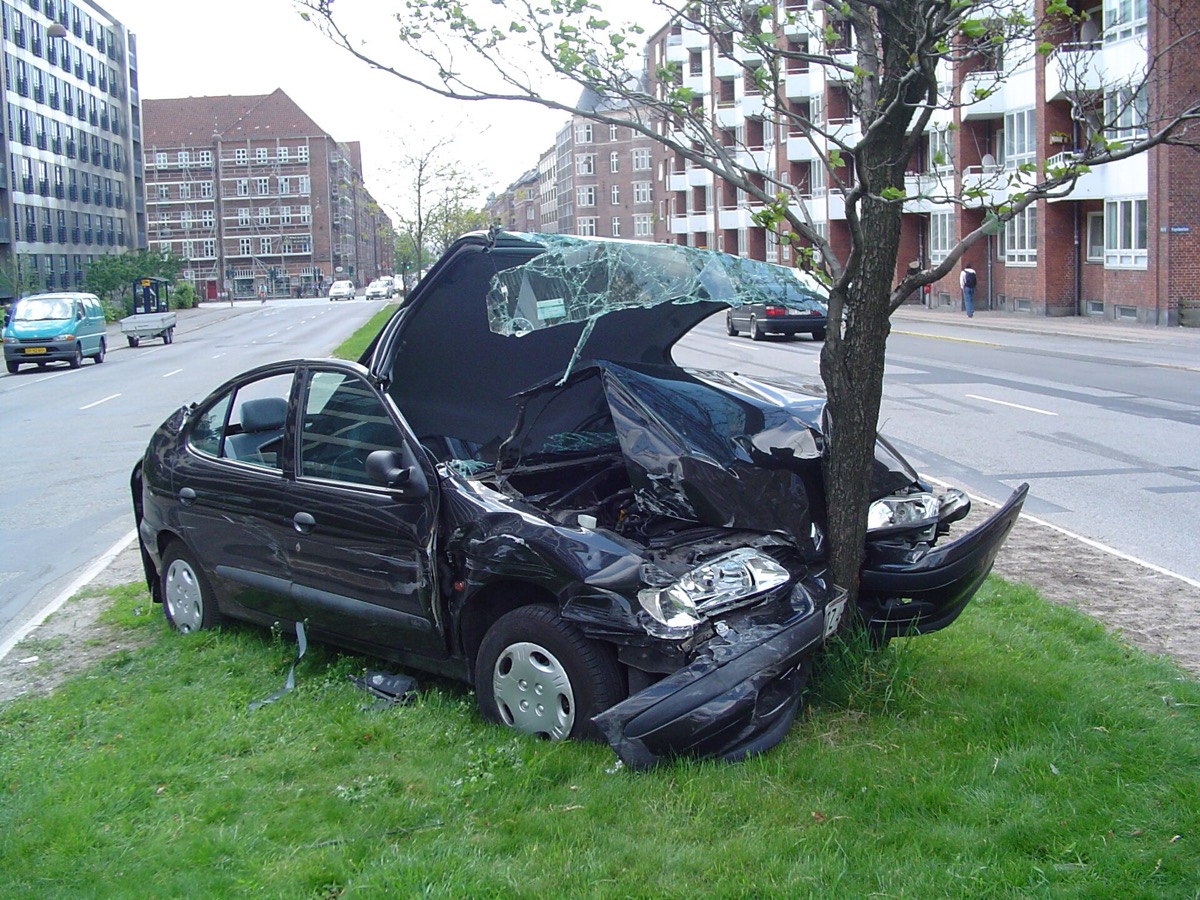
showed participants a film of a car accident, then asked some of them how fast the cars were going when they hit each other, and the others when they smashed into each other. A week later all of them were asked whether they had seen broken glass. There was no broken glass in the film at all. What did they answer?
The group asked about smashing reported seeing broken glass at more than twice the rate of the other group. One word in the question became that folded itself into the memory, and a week later, with nobody repeating the word, that detail was already part of what they remembered.
The experiment has two stages, and the second is the important one. In the first, every participant saw exactly the same film of a car accident and was then asked how fast the cars were going. Some were asked "when they hit each other" and some "when they smashed into each other".
A gap appeared already here: the smashed group estimated a speed about eighteen kilometers an hour higher. That could be read as politeness, or as being carried along by the wording, which is to say a change in the description and not in the memory.
The second stage blocks that reading. A week later all of them were asked whether they had seen broken glass in the film. There was none in it at all, and the smashed group reported seeing it at more than twice the rate. A week on, with nobody repeating the word, that detail was already part of the memory.
The explanation is that memory is not a tape but a , so a detail that arrives after the event folds in with no mark of where it came from. The implication for is immediate, because the wording of a question in an interview may manufacture the answer. The qualification is fair: this was done in a laboratory, on people watching a film, and not on a frightening event they lived through.
wat. One word in the question, asked once, put broken glass into what people remembered a week later.
wat wat
The finding changed how courts treat eyewitness testimony, and changed the way police interviewers word questions so as not to contaminate a witness’s memory.
How do we know?
The experiment was controlled: every participant saw exactly the same film, and the only difference between them was one word in a question asked afterwards.
What is still unknown
It ran in a laboratory, on people watching a film rather than living through something frightening, and a memory of an event somebody was part of may behave differently.
Learn something?
Where to next
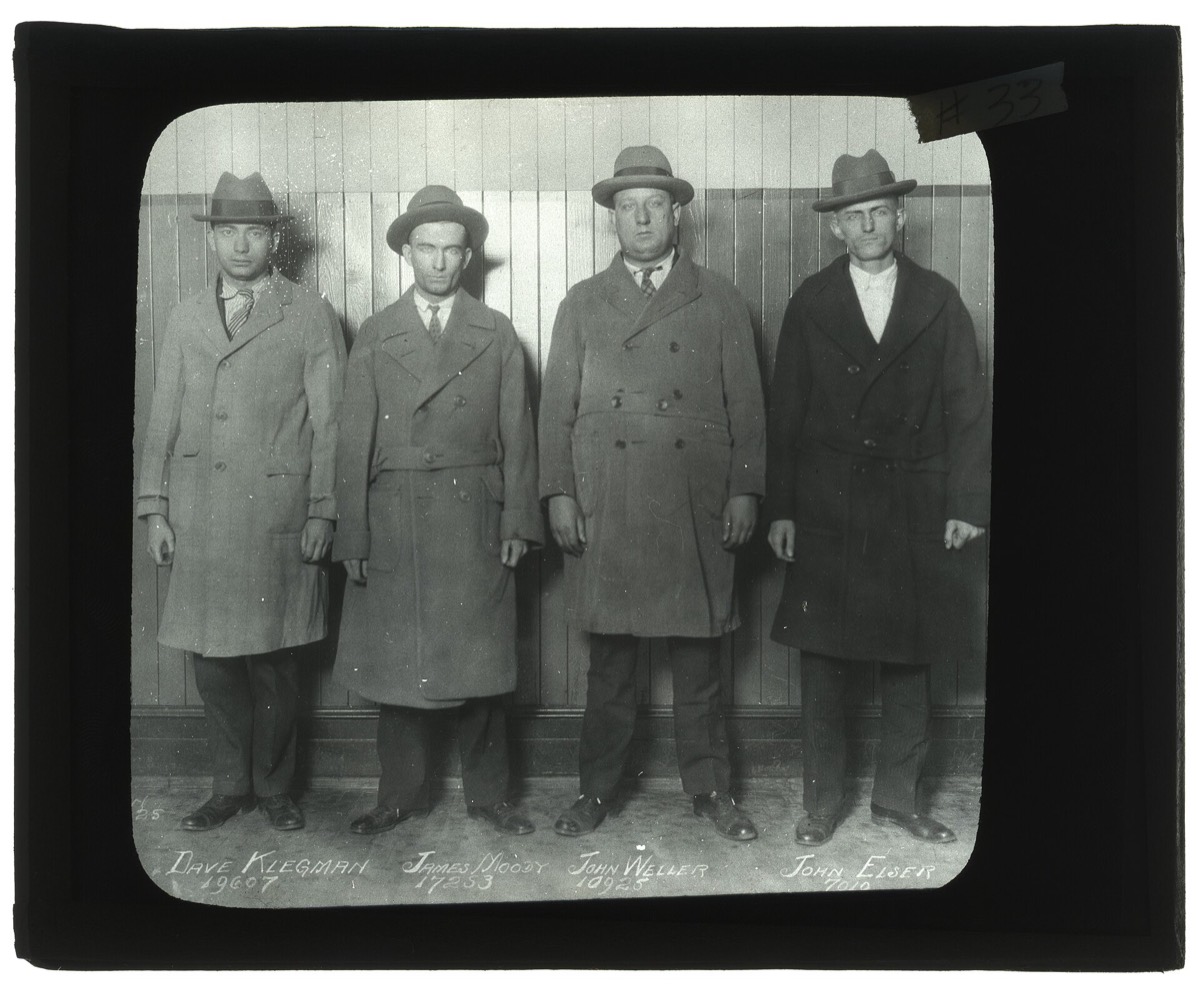 A witness sounds completely certain. Does that certainty mean anything?memory
 Would you notice if the person you were talking to was swapped for someone else?eyewitness
 Why do we remember a long experience by only two moments of it?memory