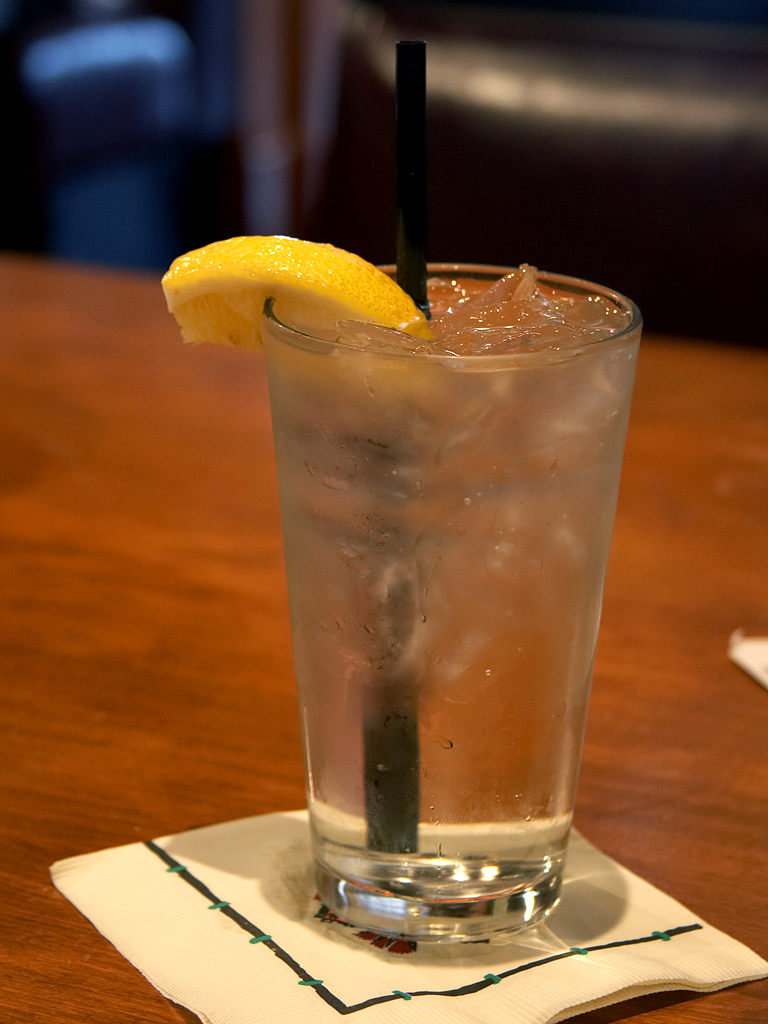
Participants went through a short, unpleasant spell with a hand in cold water, and alongside it a longer spell containing exactly the same cold plus an extra stretch in water that had warmed a little. Then they were asked which one they would rather repeat. What did they choose?
Many of them chose the longer one, which is to say more total discomfort. The memory of an experience does not average every moment equally; it leans on two of them, the most extreme and the ending. The longer spell ended better, so it was remembered as less bad despite containing more suffering. The pattern is called .
The experiment that shows this best is built from two spells each participant goes through. In the first a hand is held in very cold water for a minute. In the second it is held in the same cold water for a minute, and then stays another half minute in water that has warmed slightly, still not pleasant.
In total suffering the second spell is worse: it contains all of the first and more. And yet when participants were allowed to choose which to repeat, many chose the longer one.
The explanation is : memory is not an average of all the moments but rests mainly on two, the most extreme moment and the ending. The longer spell ended better, so it is remembered as less bad, even though there was more suffering in it.
Two conclusions follow, and they are the gap between . One is disturbing, since it means people sometimes choose more total suffering because of how it ends. The other is . Kahneman showed that adding a minute of low discomfort at the end of a colonoscopy improved the rating, and even raised the chance of coming back for the test. And the rule does not always hold; the weight of peak and ending varies between kinds of experience.
wat. One extra, less painful minute at the end made the longer experience the one people would rather repeat.
wat wat
How an event ends can shape the memory of a treatment, a service or a holiday beyond its length. Hence the clinical use: end an unpleasant procedure in a way that will be remembered better.
How do we know?
The researchers controlled the duration and the temperature, collected continuous ratings, and then let the participants choose which experience to repeat.
What is still unknown
The rule does not always hold, and the weight of the peak and the ending varies between kinds of experience and between measures.
Learn something?
Where to next
 Why did the people who paid full price show up to more plays?decision making
 How does one word in a question plant a memory of something that never happened?memory
 What does your brain already know about a word that escaped you?memory