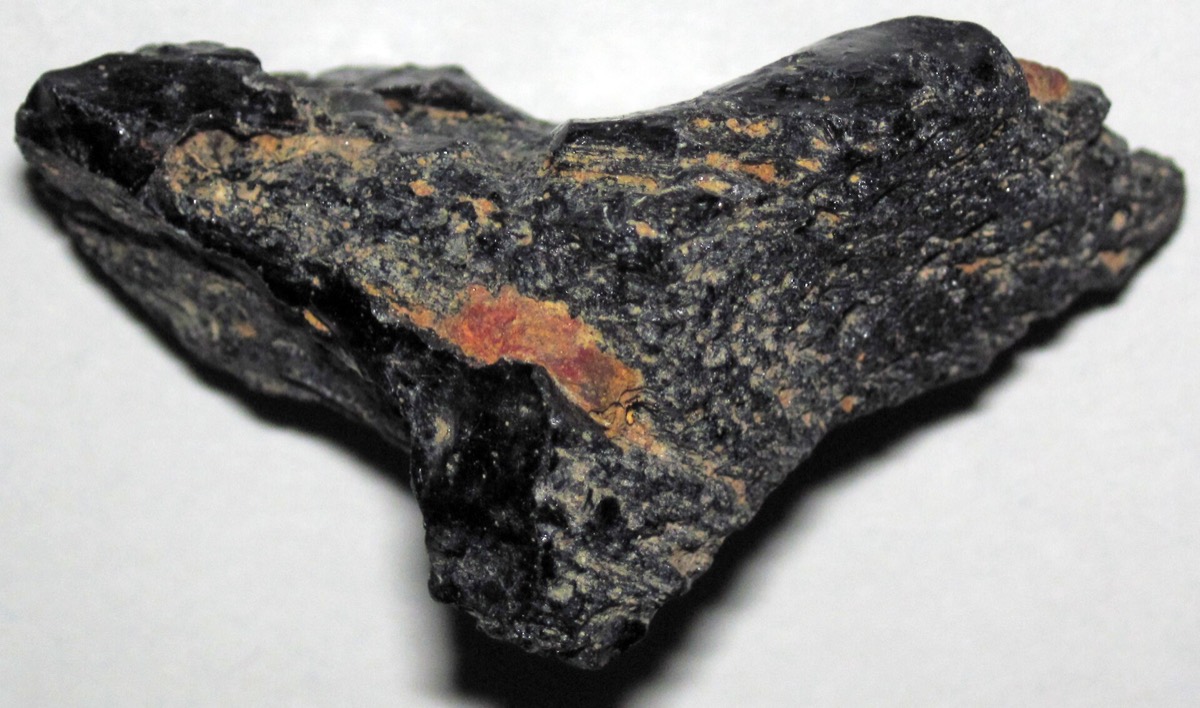
are pieces of black glass found scattered across whole fields, and the usual assumption is that what fell from the sky is the impacting body itself. Except that they are made of terrestrial rock. So how did they form?
The ground itself was thrown into the sky. They are made mainly of terrestrial rock struck at extreme speed, not of the impactor. and the heat melt material near the crater and fling it onto a trajectory through the atmosphere. In flight the droplet stretches, spins and cools , so it becomes glass. ties fields of tektites to particular impact regions, sometimes thousands of kilometers away.
A piece of black glass found in a field looks like material from space, and it is made almost entirely of terrestrial rock.
A body striking at tens of kilometers per second transfers all its energy at once. The shock wave and the heat melt rock near the crater and fling it onto a trajectory through the atmosphere.
In flight the droplet stretches, spins and cools too fast for the atoms to settle into a lattice. That is how glass results, and where the elongated and teardrop shapes come from.
Elemental and isotopic composition ties whole fields to particular impact regions, sometimes thousands of kilometers away, because the material carries the signature of the rock that was struck. That preserves a record of ancient impacts even when the crater has eroded or been buried. Not every field has an agreed crater, and the shape of a sample alone does not prove which impact it came from.
wat. A tektite is a droplet of terrestrial rock melted in an impact, flung through the air and frozen into glass.
wat wat
Tektites preserve a record of ancient impacts even where the crater has eroded, been buried or not yet been identified.
How do we know?
Researchers compare the chemistry and the age of tektites with target rocks and craters, and examine the structure of the glass and the pressures it experienced.
What is still unknown
Not every tektite field has an agreed crater, and the shape of a sample alone does not prove which impact it came from.
Learn something?
Where to next
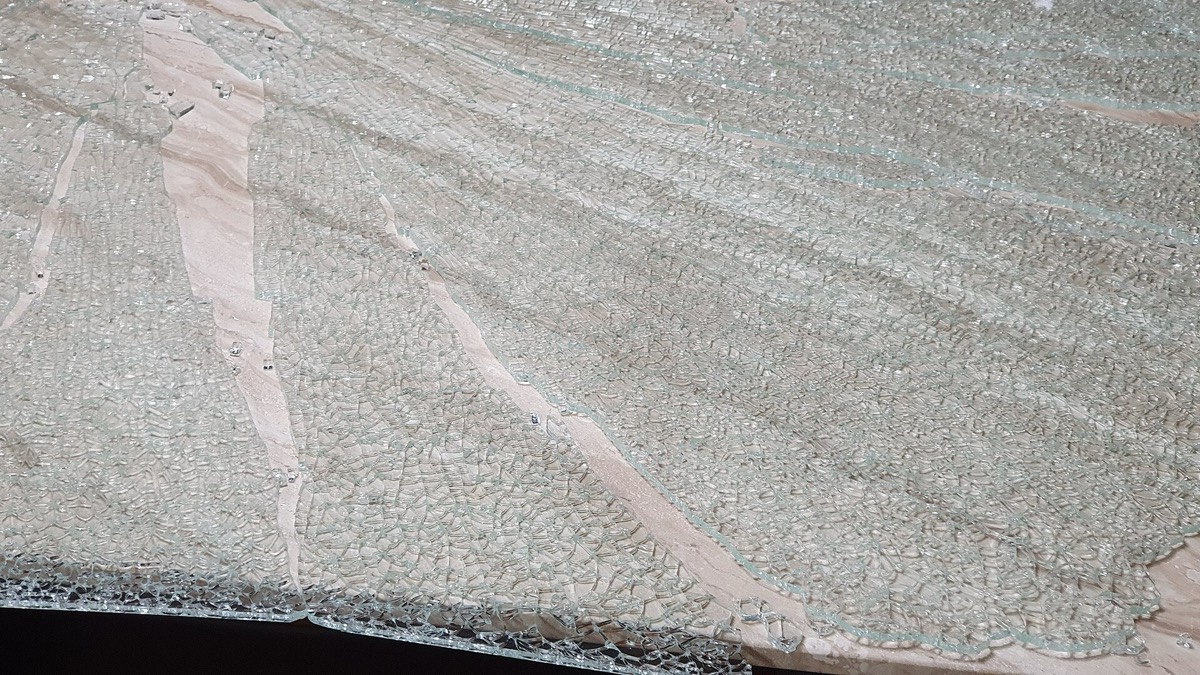 Why does a toughened window crumble into thousands of small pieces instead of long blades?glass
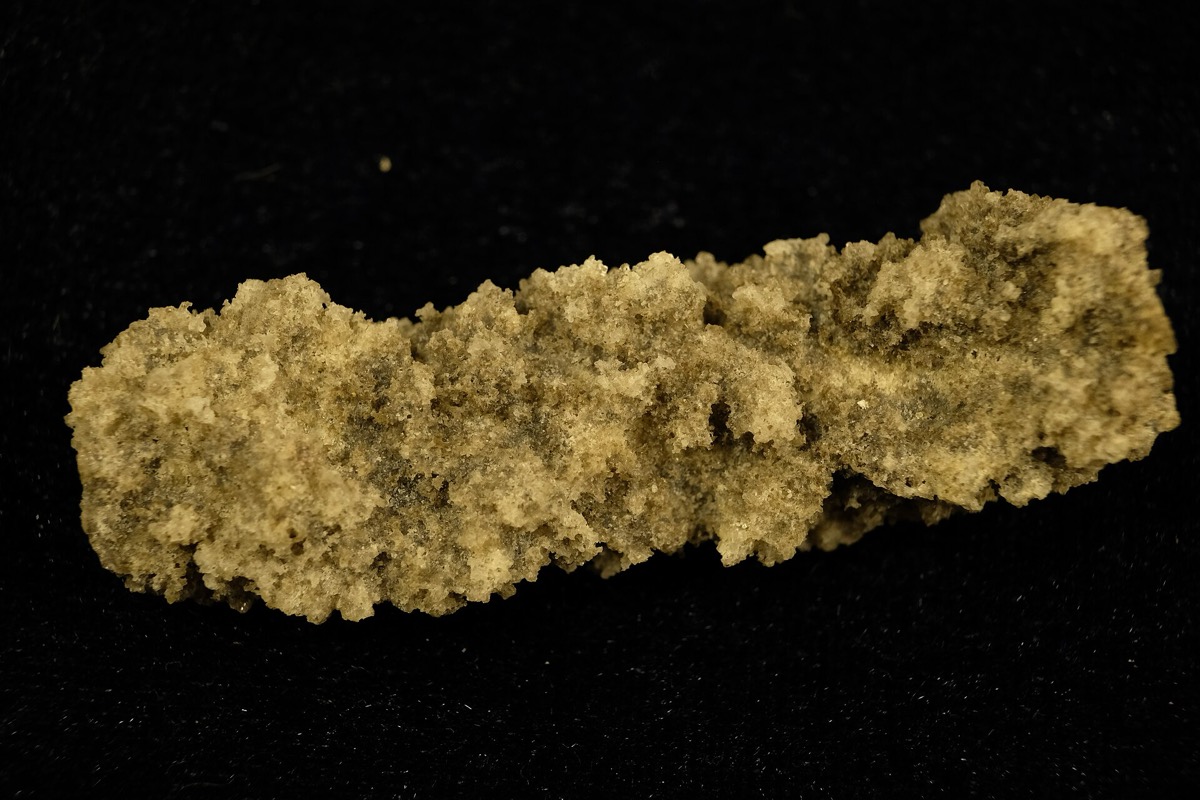 Lightning strikes sand and is gone in an instant. What does it leave below the surface?glass
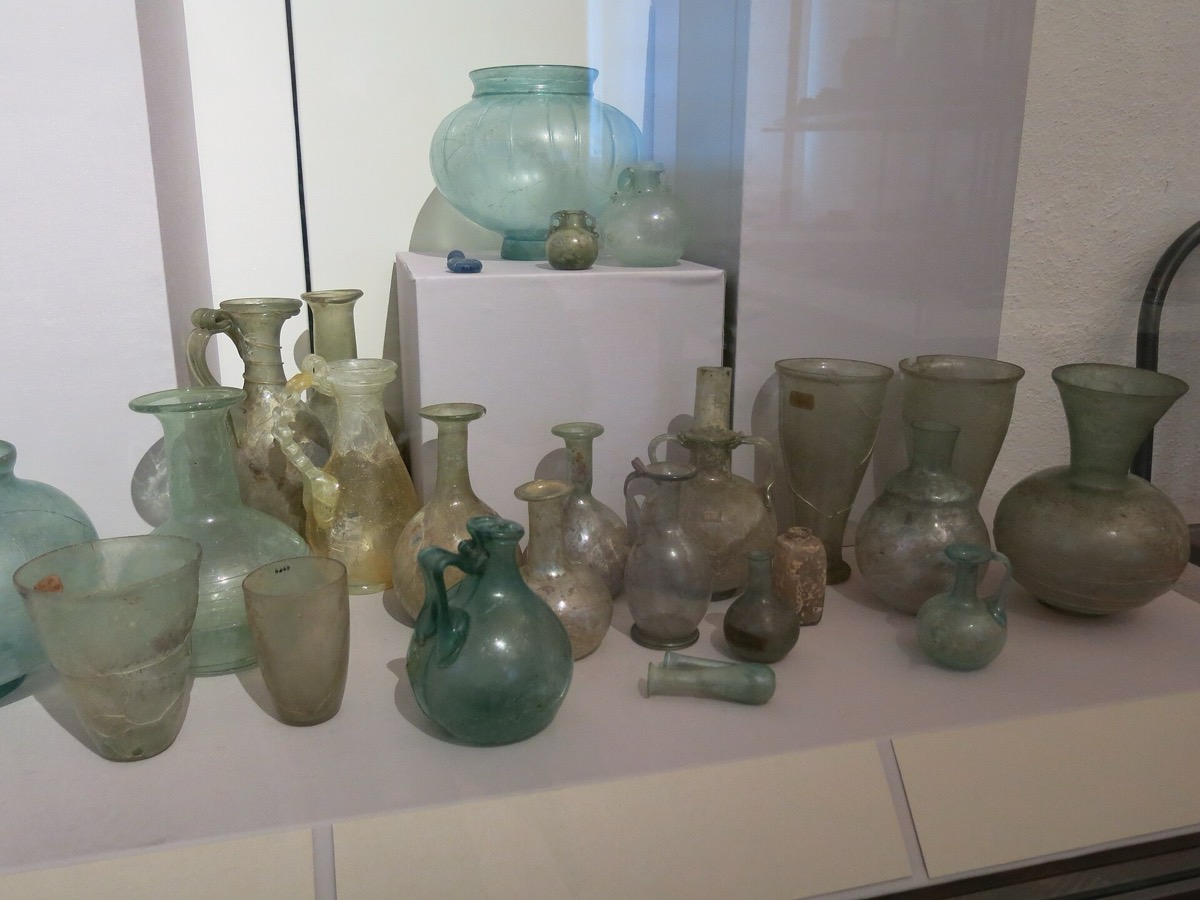 How can shards of Roman glass hint at ancient recycling?glass