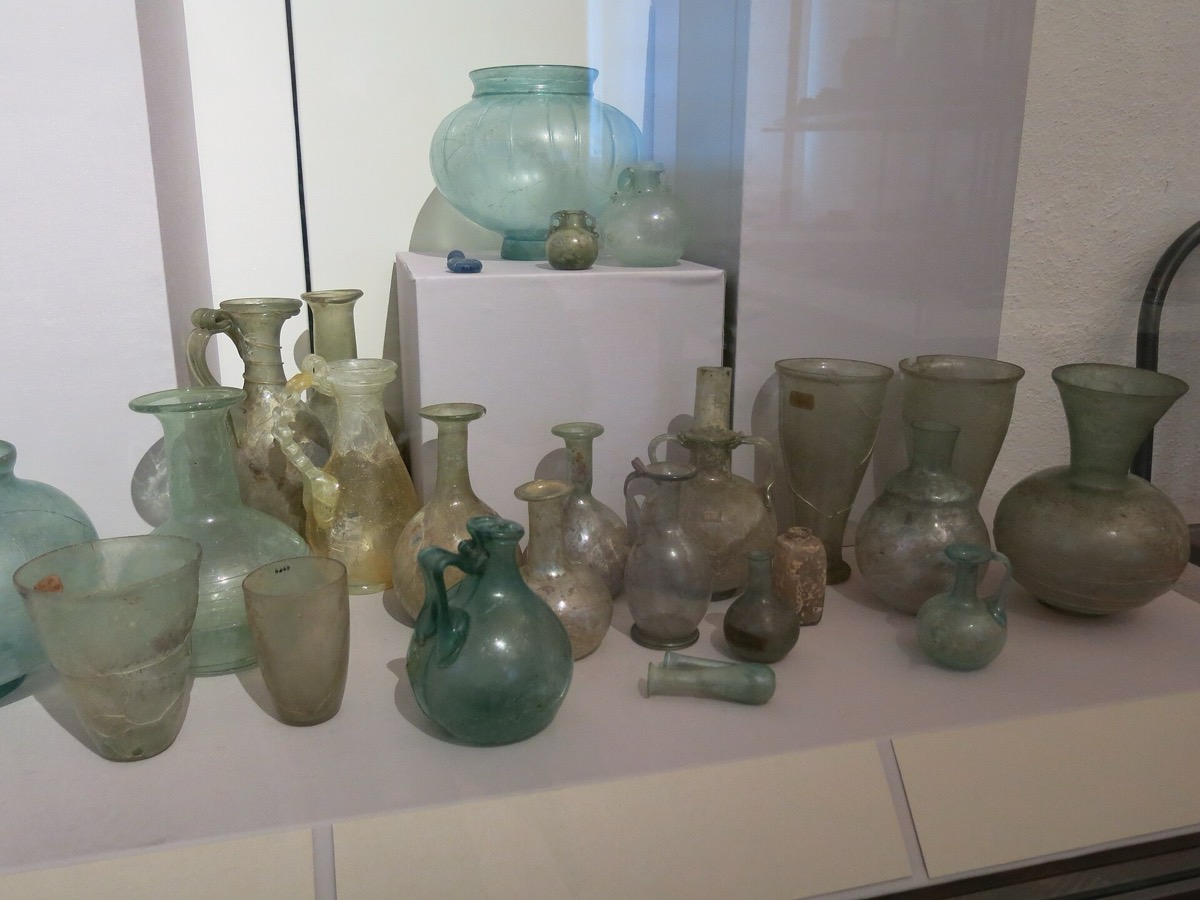
A shard of glass looks too small to tell a commercial story, and the materials it is made of leave a clear . Glass can also be remelted, so should leave a trace. Dozens of finds from Roman cities around were compared with known types of glass. What came out of the composition?
A mixture, which is the interesting part. Most of the 48 finds matched Roman glass in a blue-green tint, and other compositions turned up as well. Together with and mixtures explicable by recycling, the finds point to local glass working and possibly to reuse of shards. A single shard cannot reveal its whole route from the first furnace to the excavation.
Glass can be remelted, so a Roman object may contain material that was once another vessel. The question here was whether composition tests on finds from the Black Sea would reveal local and mixed use of the material.
The team measured 48 glass items from the cities of Histria and Tomis, most of them from the first to the fourth century CE. Their method allowed element concentrations to be compared without relying on color and shape alone.
The majority matched a common group of Roman glass with a natural blue-green tint. Further groups, debris from glass working and compositions that look mixed pointed together at local workshop activity and at the possibility of reusing material.
This is not direct documentation of a workshop remelting any particular shard that was tested. It is a demonstration of how material and chemical evidence combined can support a historical hypothesis more strongly than any single shard or result.
wat. Roman glass from the Black Sea carries hints of local working and of reuse of broken material.
wat wat
An everyday material like glass can reveal trade, workshops and ways of reusing resources in the ancient world.
How do we know?
The team measured the composition of 48 finds from the cities of Histria and Tomis with a nuclear analysis method, and compared it with known glass groups and with local production waste.
What is still unknown
A mixed composition can arise from several production and trade processes. Attributing it to recycling rests on chemistry together with workshop finds, not on a single sign.
Learn something?
Where to next
 How did lead left in mud reveal when Naples repaired its water supply?Rome
 Lightning strikes sand and is gone in an instant. What does it leave below the surface?glass
 Why does a toughened window crumble into thousands of small pieces instead of long blades?glass