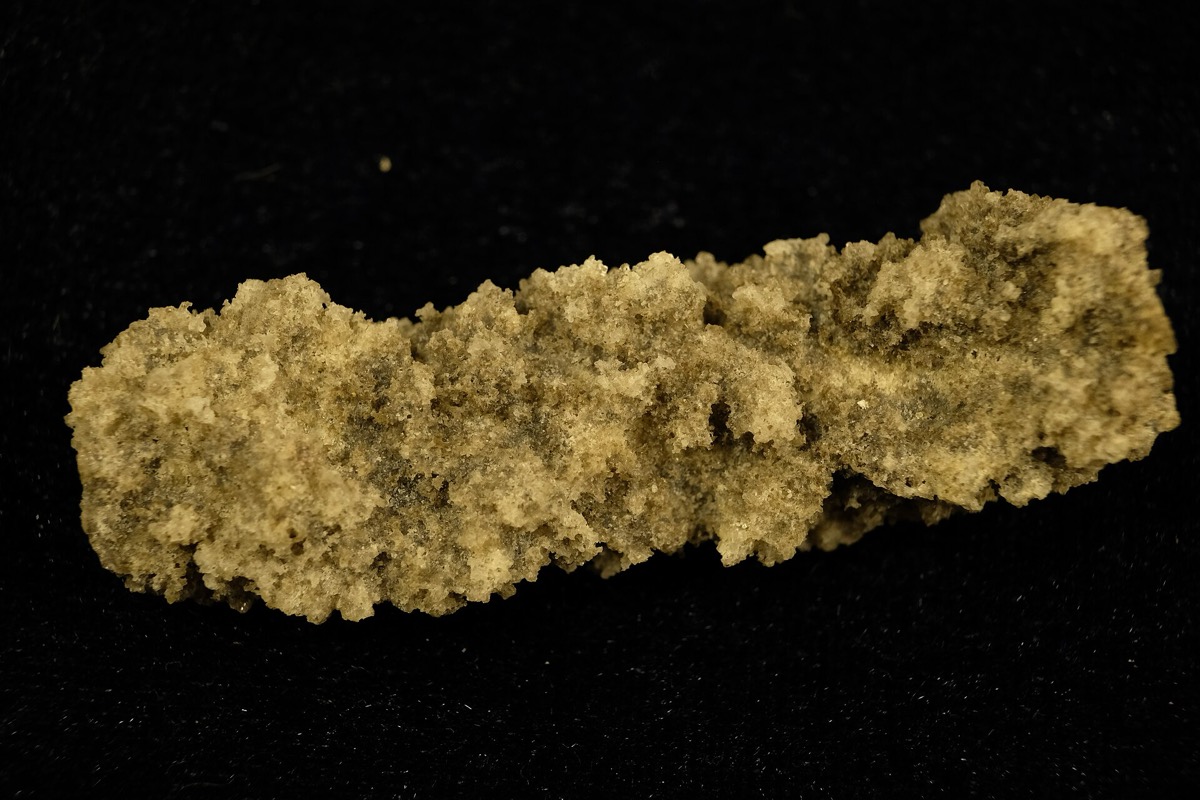
A lightning current entering the ground heats a narrow path at enormous speed, and then vanishes within a fraction of a second. Above the surface almost nothing remains. What remains below?
A solid copy of the strike. In sandy ground the silica-rich minerals melt around the path, and into the cold sand so fast that the structure freezes before it can collapse. The result is : a hollow, branching tube of natural glass, its outside crusted with grains that never fully melted, preserving a three-dimensional cast of part of .
Lightning is visible for a fraction of a second and gone, and in sandy ground it leaves behind a solid copy of itself.
The current entering the ground heats a narrow path at enormous speed. In a sandy setting the minerals are rich in , and that is the compound which melts and becomes glass if it cools fast without crystallizing.
The rapid cooling is half the story. The heat disperses into the cold sand around it within a fraction of a second, so the structure freezes before it can collapse. The result is a hollow, branching tube of glass, its outside crusted with grains that never fully melted.
The shape preserves a three-dimensional cast of part of the underground path, and allows the energy and the temperature to be inferred. Not every strike makes a fulgurite that survives, and the final shape depends on moisture, on the minerals and on the strength of the discharge.
wat. A fulgurite is sand that melted around the path of a lightning strike and cooled into a natural glass tube.
wat wat
An event lasting a fraction of a second can leave a stable record in rock of energy, temperature and an electrical path.
How do we know?
Mineralogical studies compare the texture and chemistry of fulgurites against the original material and against other natural glasses formed by rapid heating.
What is still unknown
Not every lightning strike makes a fulgurite that survives, and the final shape depends on moisture, on the minerals and on the strength of the discharge.
Learn something?
Where to next
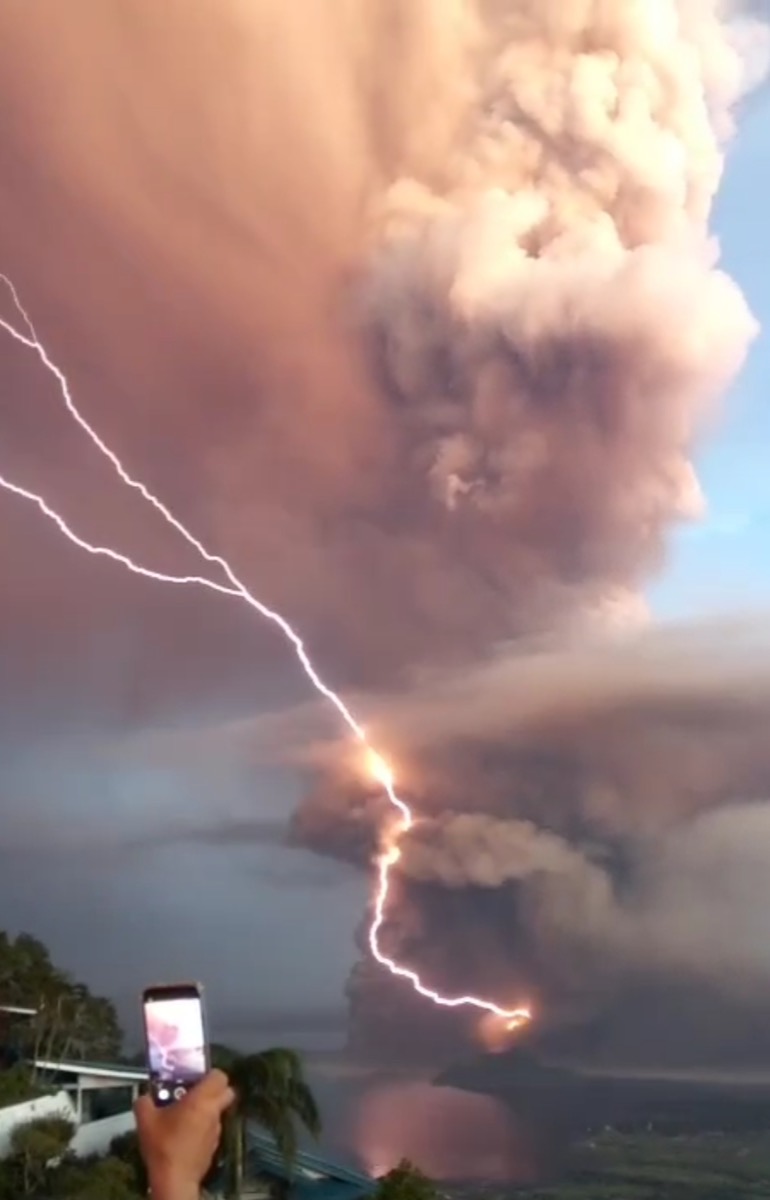 How does a cloud of dry ash throw lightning with no rainstorm?lightning
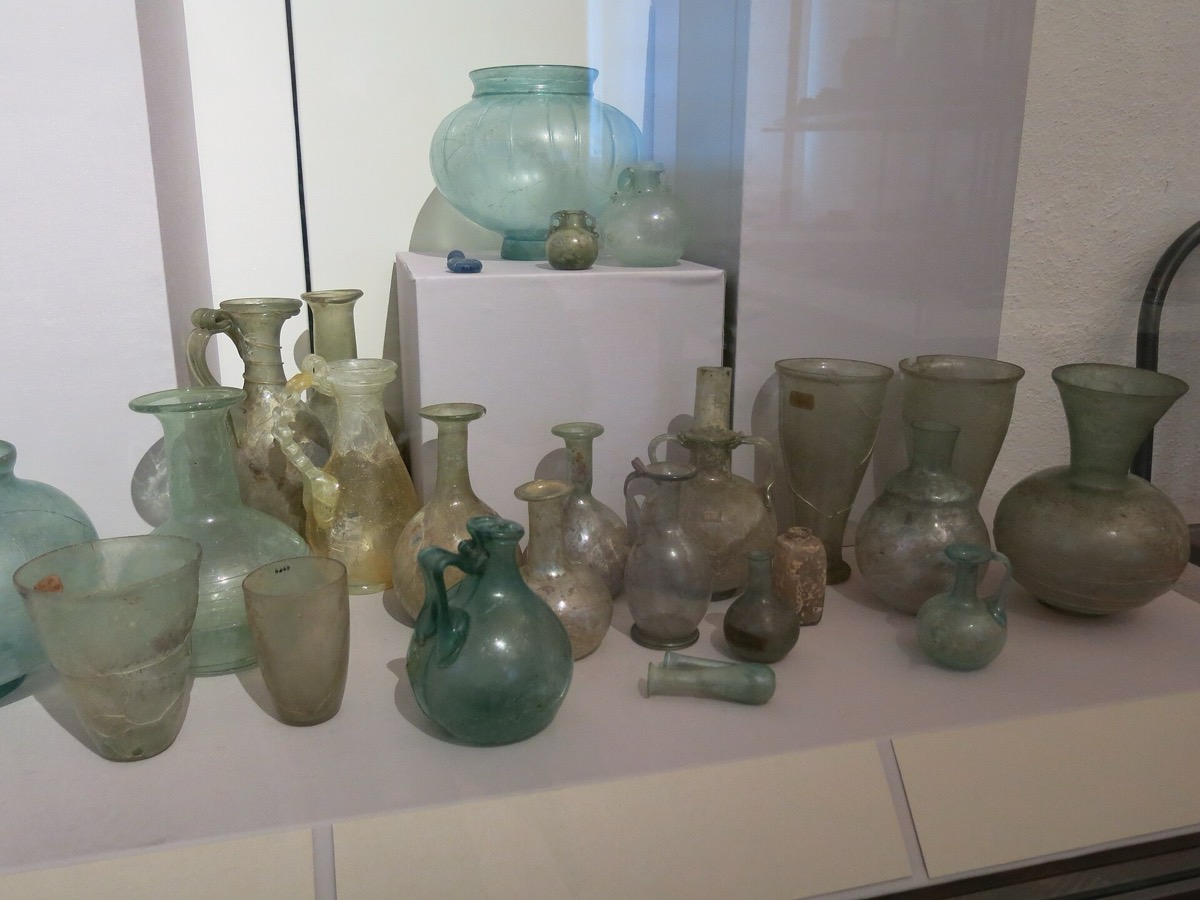 How can shards of Roman glass hint at ancient recycling?glass
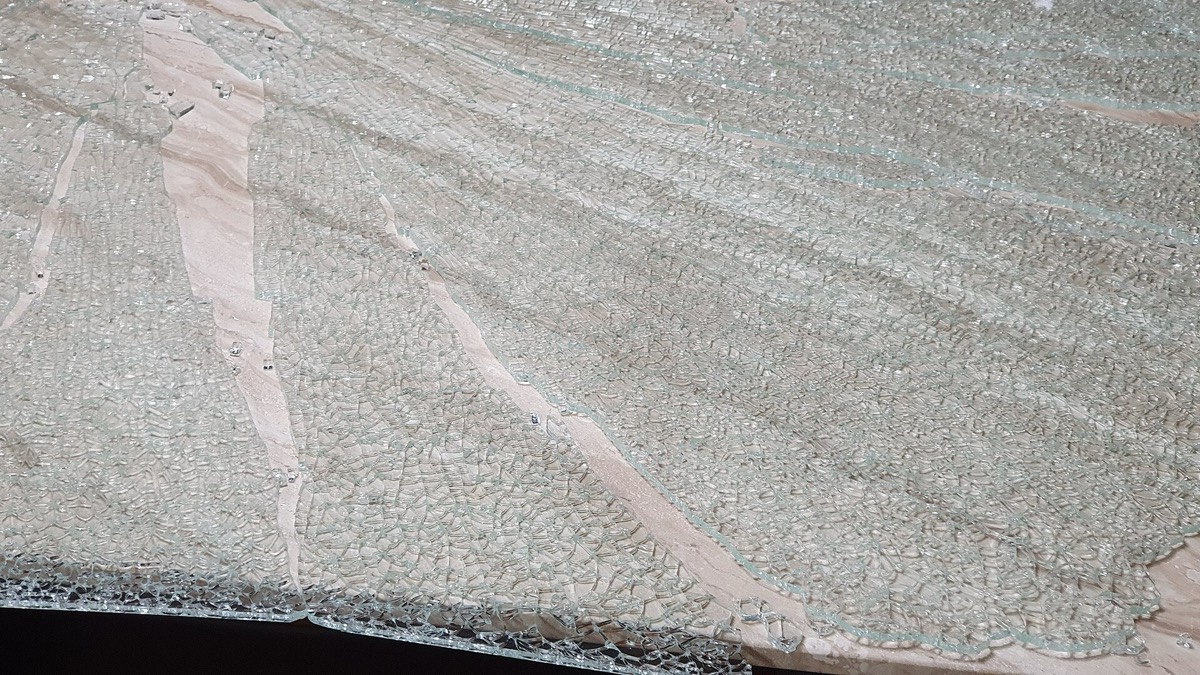 Why does a toughened window crumble into thousands of small pieces instead of long blades?glass