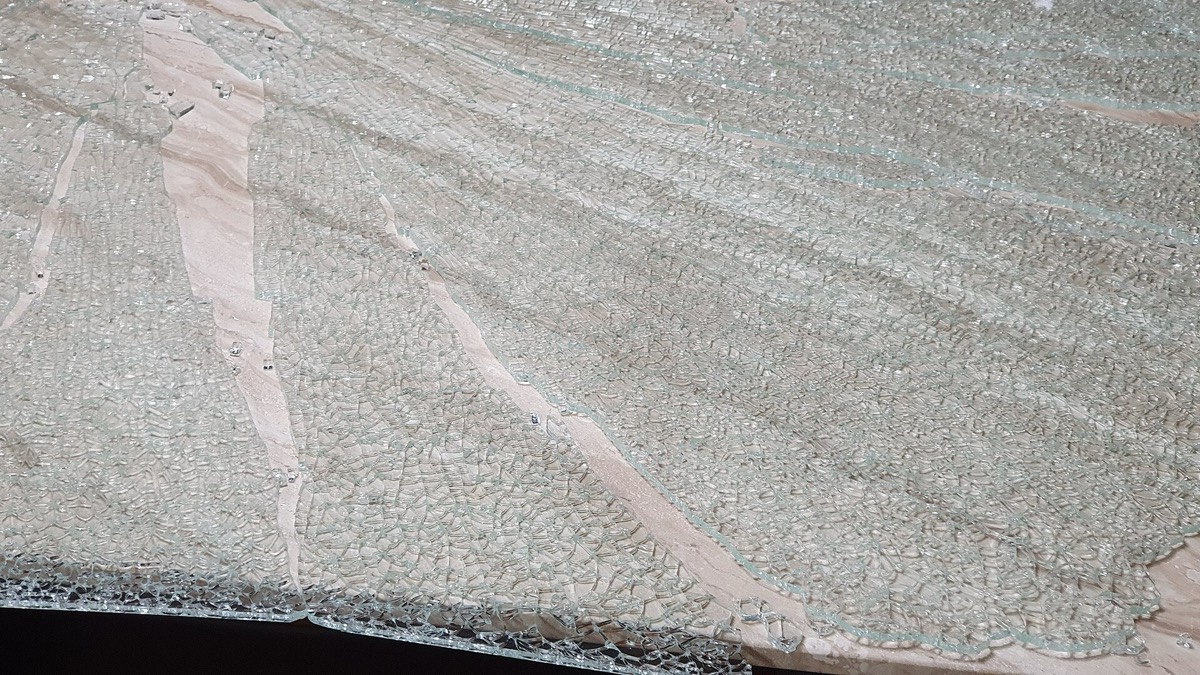
heats glass and then cools its surfaces fast, so they stay in compression while the center stays in tension. That compression is what stops scratches and shallow cracks. And what happens when something gets through anyway?
The stored energy comes out at once. A crack only advances when something pulls its two sides apart, which is why traps a shallow one. But once an impact penetrates the shell, the tension energy in the core is released, too large for one crack to spread, so it . The whole sheet comes apart into short grains.
Ordinary glass breaks into long blades, and toughened glass crumbles into thousands of grains. Exactly the same material, and a different thermal history.
Toughening heats the sheet and then cools its surfaces fast. The outside hardens first and stays compressed, the center cools after it and stays in tension, and those balance each other.
The compressed layer is what strengthens it. A crack only advances when something pulls its two sides apart, so scratches and shallow cracks get trapped in it.
But if an impact penetrates the shell, the energy stored in the core is released all at once, too large for one crack to dissipate, so it splits again and again. The sheet comes apart into short grains, which is why this glass is used in cars and in doors. Small pieces can still cut, and a flaw at an edge or an inclusion can cause a sudden break.
wat. Toughened glass carries a deliberate internal stress, and when it is released it divides the sheet into thousands of small fragments.
wat wat
That pattern of fracture reduces the chance of large blades, which is why toughened glass is used in cars, in doors and in showers.
How do we know?
Researchers measure the residual stresses, break sheets under controlled conditions, and count the size and proportion of the fragments.
What is still unknown
Small pieces can still cut, and a flaw at an edge or an inclusion in the material can cause a sudden break.
Learn something?
Where to next
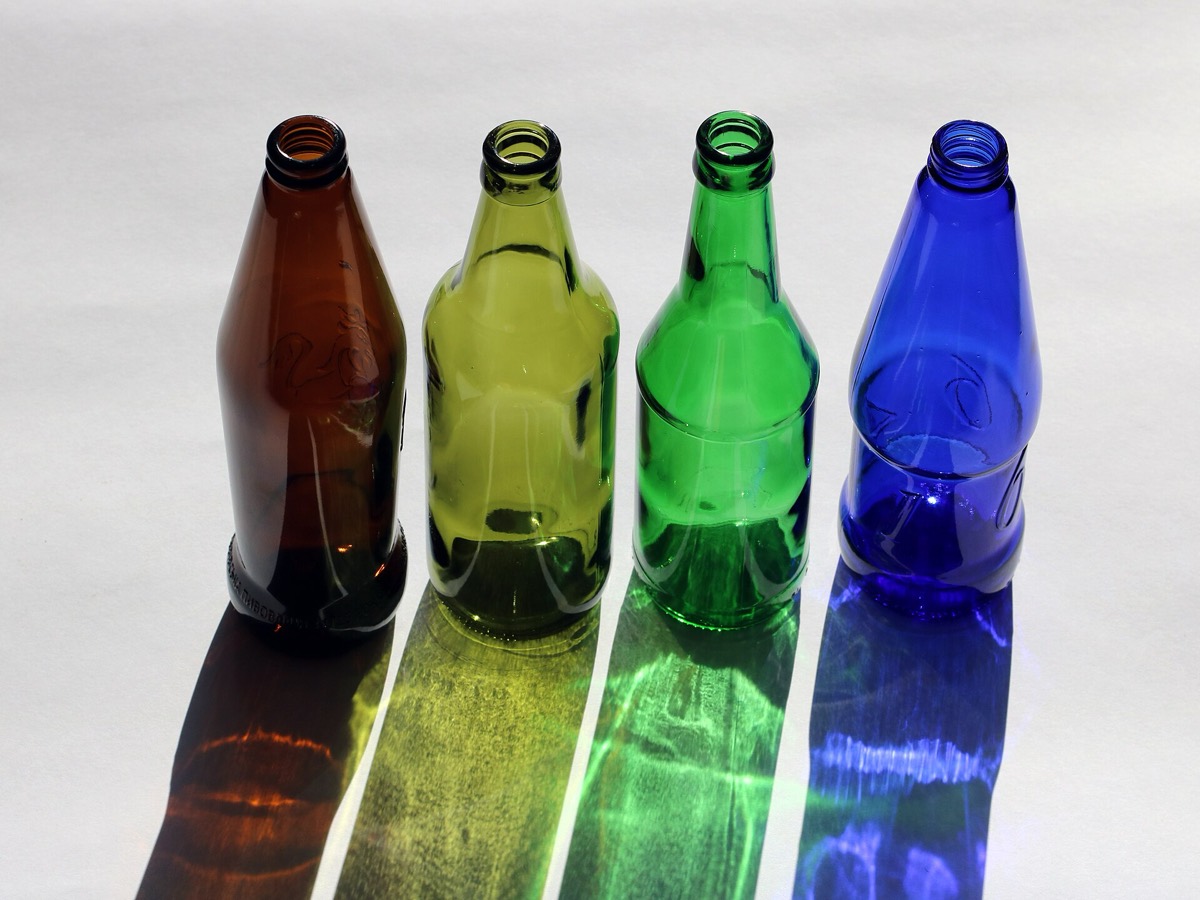 Full or empty, which beer bottle survives the impact?materials
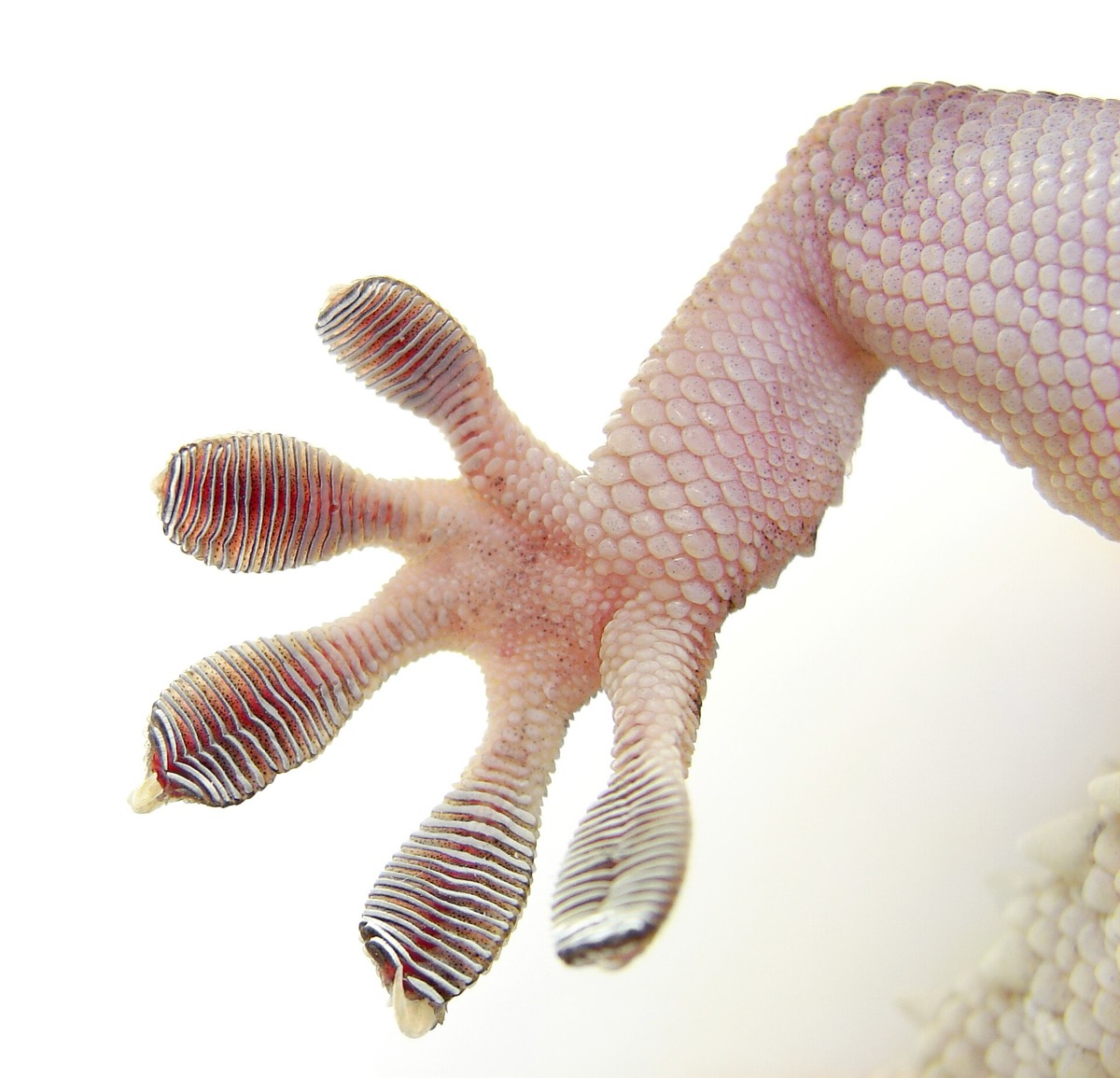 A gecko runs across a smooth ceiling with no glue. What holds each step?materials
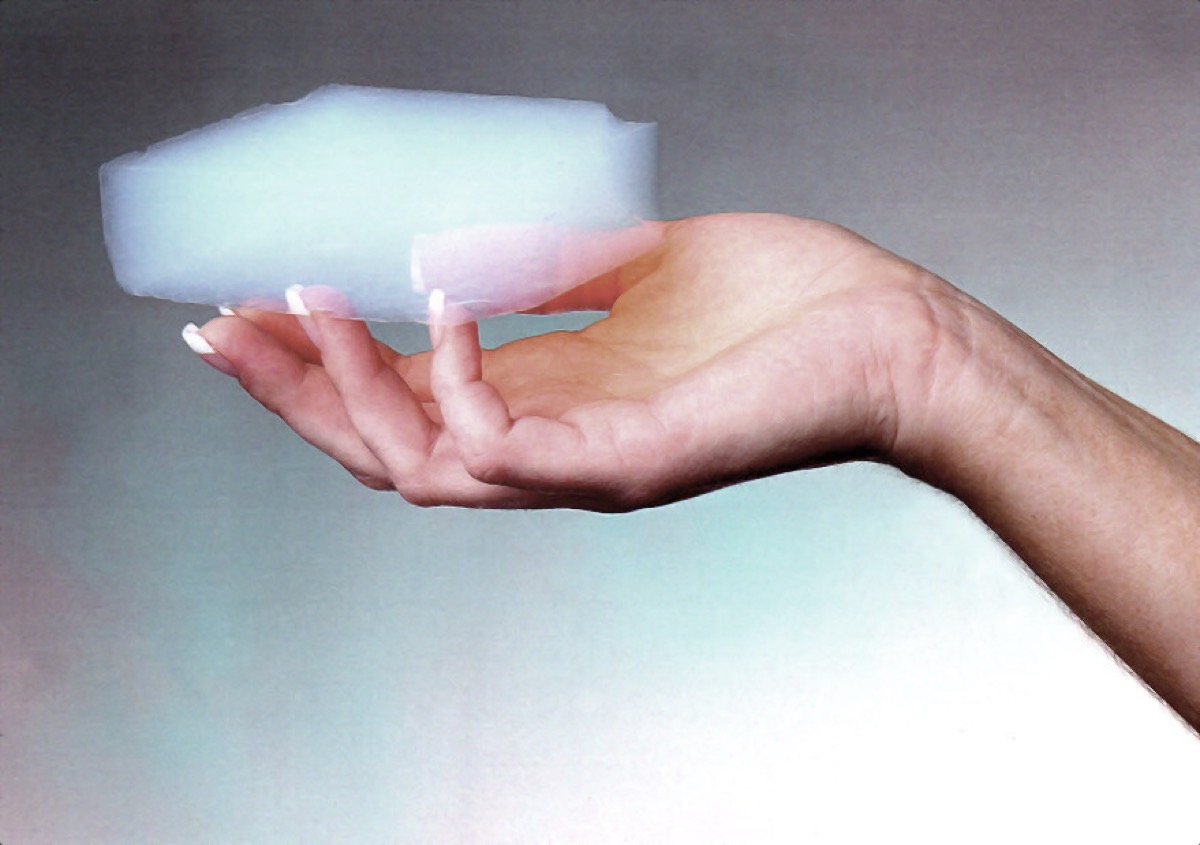 What is a block of aerogel actually made of?materials