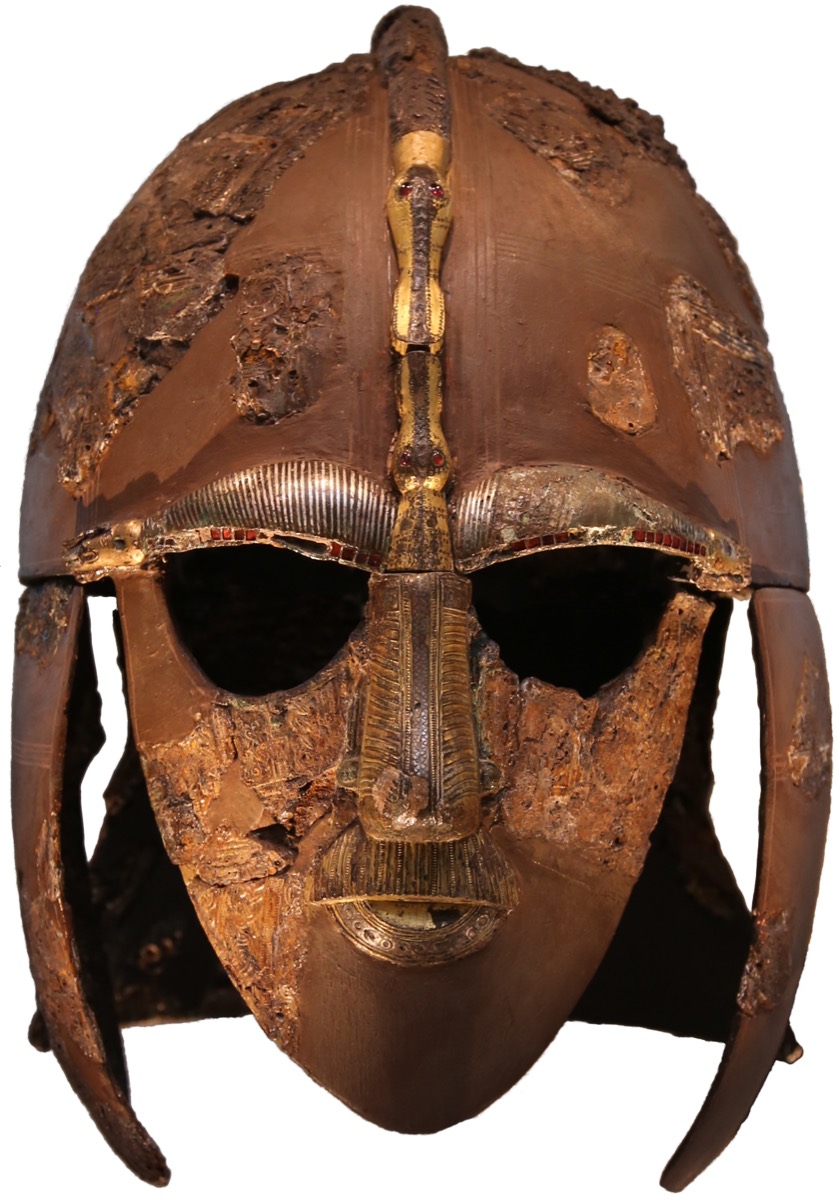
In nineteen thirty-nine the amateur archaeologist Basil Brown brushed away Suffolk soil on Edith Pretty’s land and found the richest intact early medieval grave in Europe. It held feasting vessels, hanging bowls, silverware from Byzantium, textiles, gold set with Sri Lankan and a helmet with a human mask. Around all of it ran something harder to see. What was it?
A ship that was no longer there. The mound held the imprint of a decayed twenty-seven meter ship, with a burial chamber at its lowest point. The body had gone the same way: the acidic local soil left only a human-shaped gap among the treasures. That absence raised the possibility of a , until later analysis detected phosphate in the soil, an indicator that a body had once lain there.
What Basil Brown uncovered in nineteen thirty-nine was more than a grave. The interment of a ship at Sutton Hoo is the most impressive medieval grave found in Europe: a twenty-seven meter vessel with a burial chamber at its lowest point. It was filled with feasting vessels, deluxe hanging bowls, silverware from distant Byzantium, luxurious textiles, gold dress accessories set with Sri Lankan garnets and the helmet with a human mask.
The effort involved is part of the evidence. Sue Brunning points to the manpower needed to drag the ship uphill from the River Deben, dig the trench, cut trees for the chamber, dress it with finery and raise the mound. were rare and probably reserved for the most important people, so a huge ceremony is likely. A king is the usual inference, with Raedwald of East Anglia the popular candidate.
Both the ship and the occupant had dissolved. The hull survived as an imprint in the sand, and the acidic soil left only a human-shaped gap among the treasures, which prompted early speculation that the burial was a cenotaph. More recent analysis found phosphate in the soil, indicating a body had been there after all.
Personal detail survives in the objects. Brunning’s study of the sword suggests the owner was left-handed, since the wear patterns indicate it was worn on the right side and carried in the left hand. The mourners laid it on the dead person’s right, enshrining that left-handedness at the funeral. The gold belt buckle, over four hundred grams of it worked into intertwining creatures inlaid with , says the same thing about wealth. The grave goods generally were chosen and arranged to transmit messages about identity and status.
wat. The ship had rotted to a stain in the sand and the body to a gap, and both were still legible.
wat wat
Almost everything organic dissolved and the excavation still transformed understanding of the period, because the shape of what had rotted was recorded as carefully as the gold.
How do we know?
The British Museum’s account of the Sutton Hoo ship burial draws on the nineteen thirty-nine excavation and on current research by Sue Brunning, Curator of Early Medieval European Collections.
What is still unknown
The identity of the person buried there will never be known. Raedwald of East Anglia is a popular candidate and no more than that, and the curator herself treats the question as the less valuable one.
Learn something?
Where to next
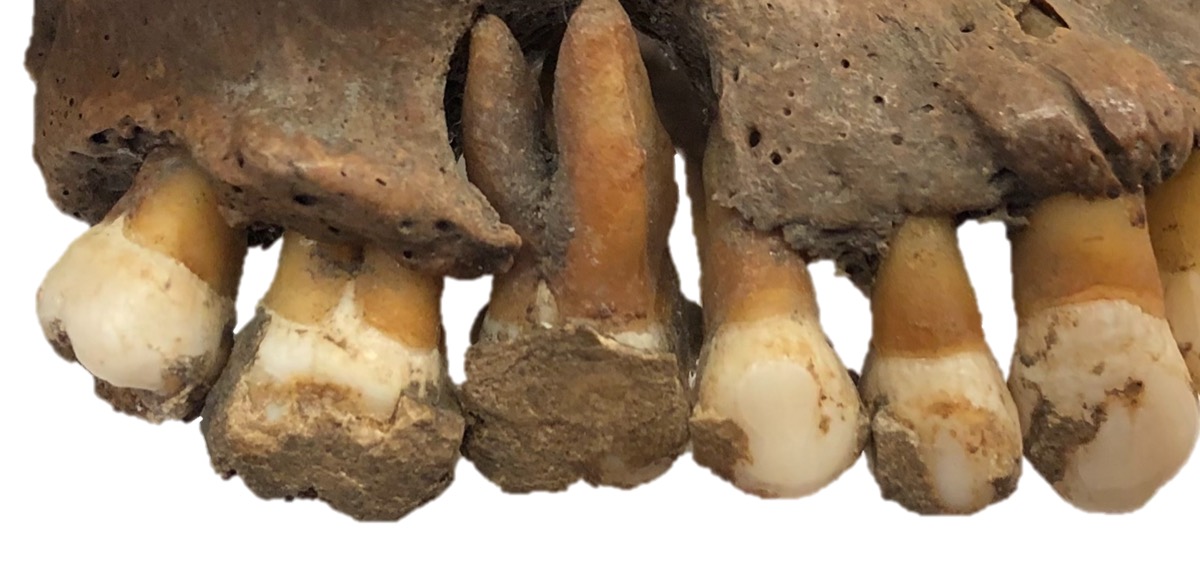 What did a meal from the past leave between the teeth?archaeology
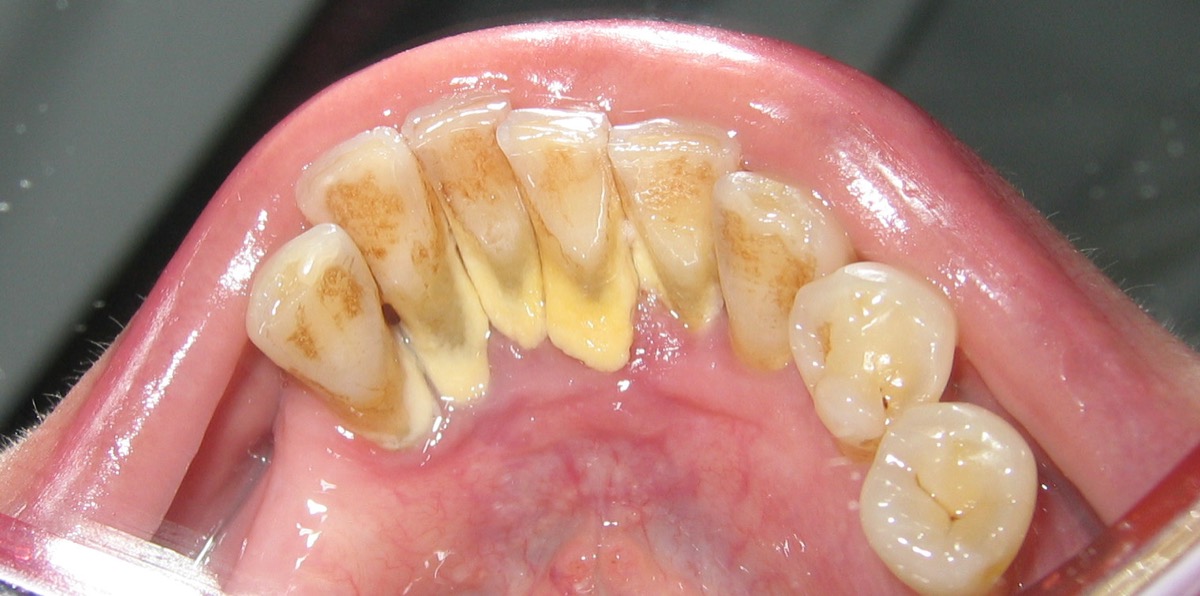 Can you tell what an ancient person ate from the DNA in their teeth?archaeology
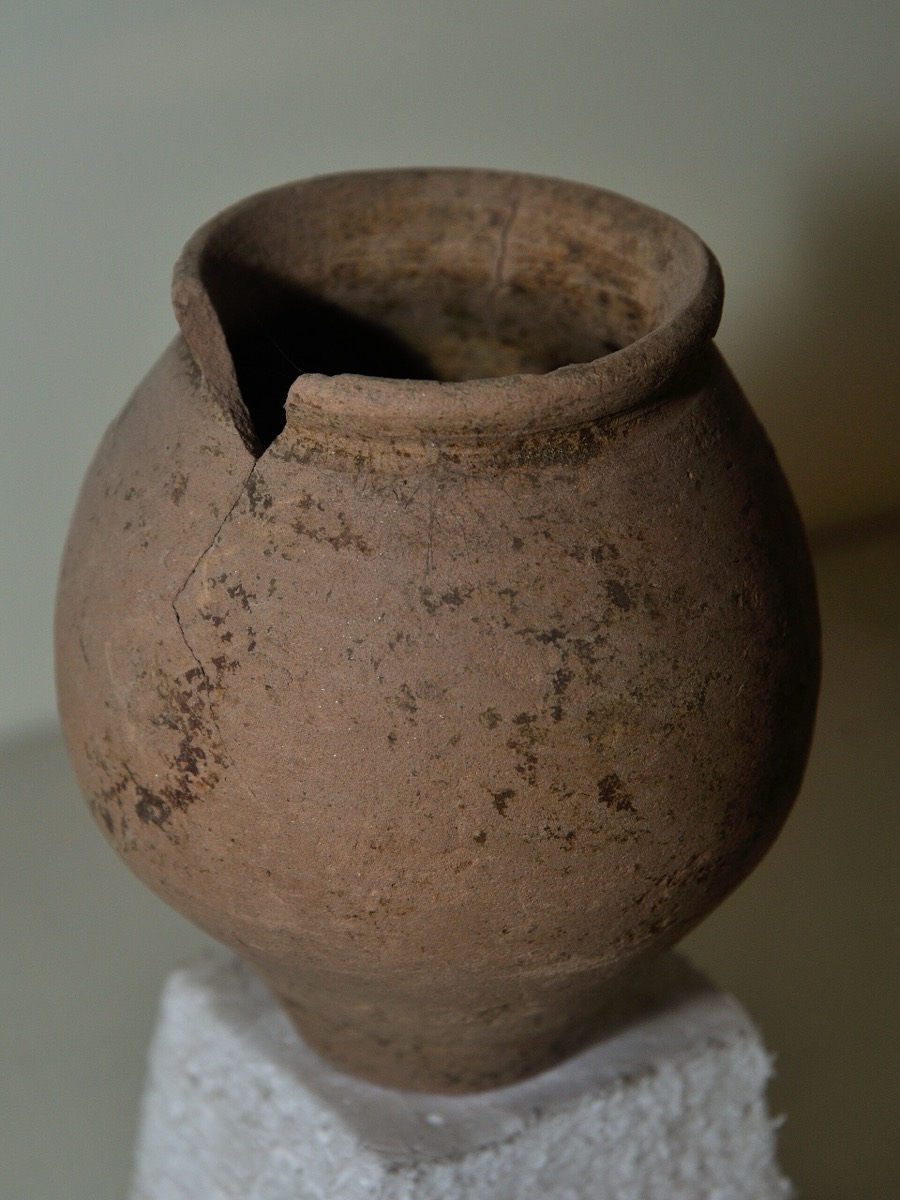 What can the walls of an ancient pot teach us about meals in the Indus cities?archaeology