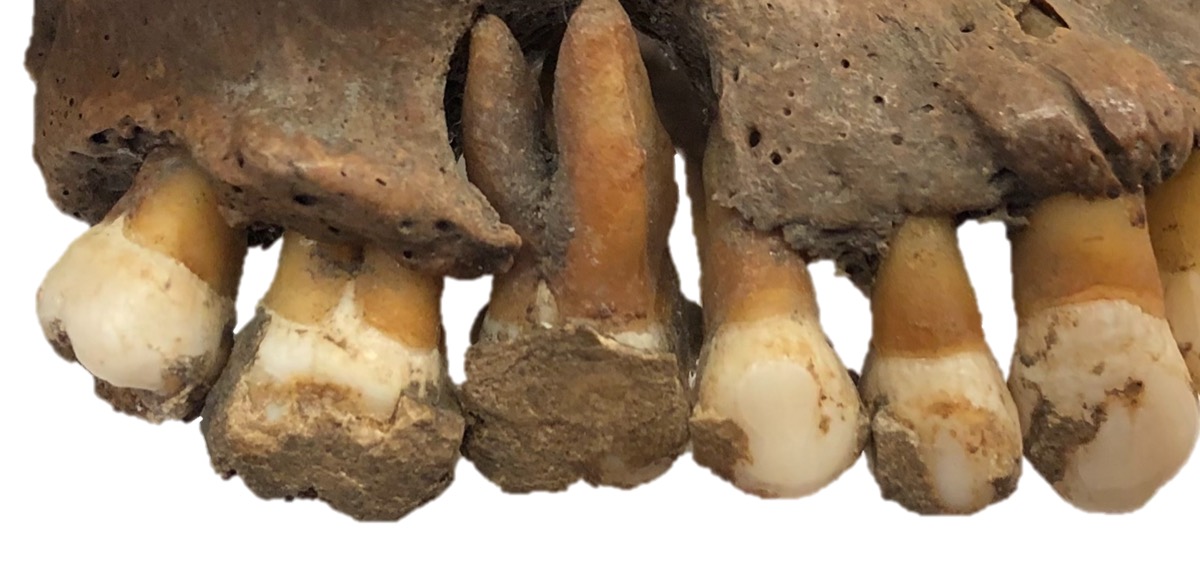
is a hard layer that builds up on teeth, and in people who lived centuries or millennia ago it can trap molecules from the food they ate. The difficulty is that plant food leaves almost no large remains. What can still be identified?
Grains, among other things. in a hundred calculus samples from sites in England, from to the early modern period, carried signs of cereals and plant food alongside the milk proteins already known. That makes it possible to find foods that only rarely leave large remains visible to the eye.
Plant food often rots quickly, so archaeologists do not always find remains of it they can identify directly. Calculus offers one more tiny archive, attached to the person who ate.
Milk protein had been identified in it before, and how wide a range of foods it preserves was unclear. This work sampled many specimens across different periods using protein analysis, with alongside them for comparison.
Evidence of cereals and plant products appeared as well. An identification like that strengthens the picture of what people ate, especially when it is set beside other finds from the same site.
Calculus is not a meal diary. It does not say when exactly a food was eaten, how much of it was eaten, or whether it was a regular part of the diet. Contamination has to be ruled out case by case.
wat. Ancient calculus can preserve milk and cereal proteins centuries and millennia after the meal itself has gone.
wat wat
A tooth can hold traces of a diet that appears neither in the animal bones nor in the seeds found at a site.
How do we know?
Researchers analyzed proteins in a hundred archaeological samples and in modern samples for comparison, and examined how to validate the identification of a food protein.
What is still unknown
Identifying a protein does not reveal how much of the food was eaten or how often; contamination and proteins from a source other than the meal both have to be checked.
Learn something?
Where to next
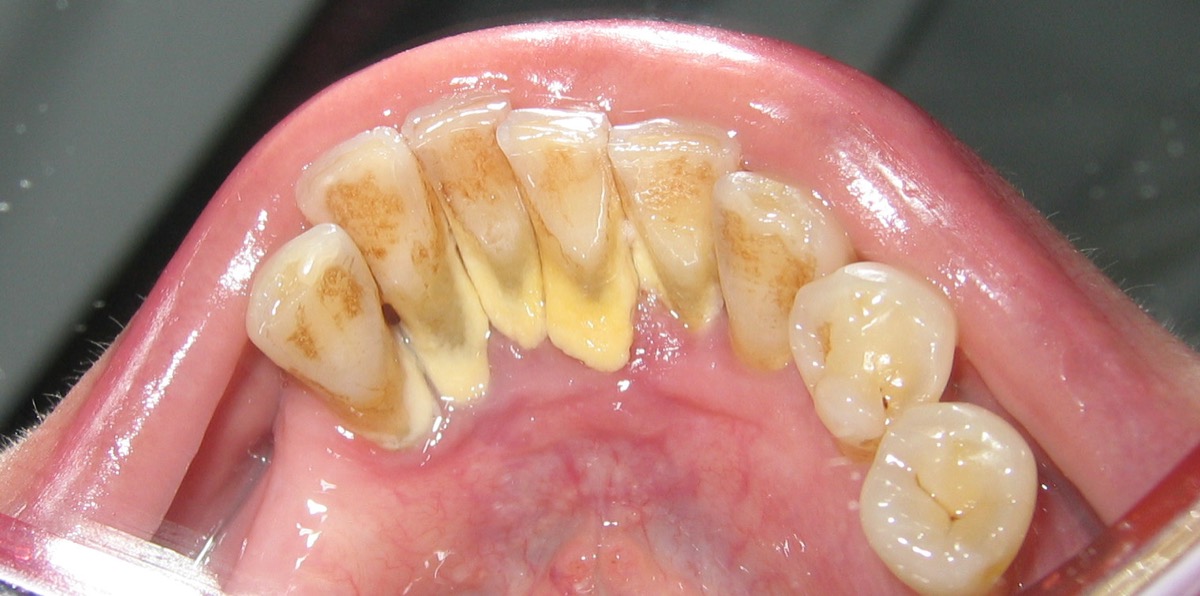 Can you tell what an ancient person ate from the DNA in their teeth?archaeology
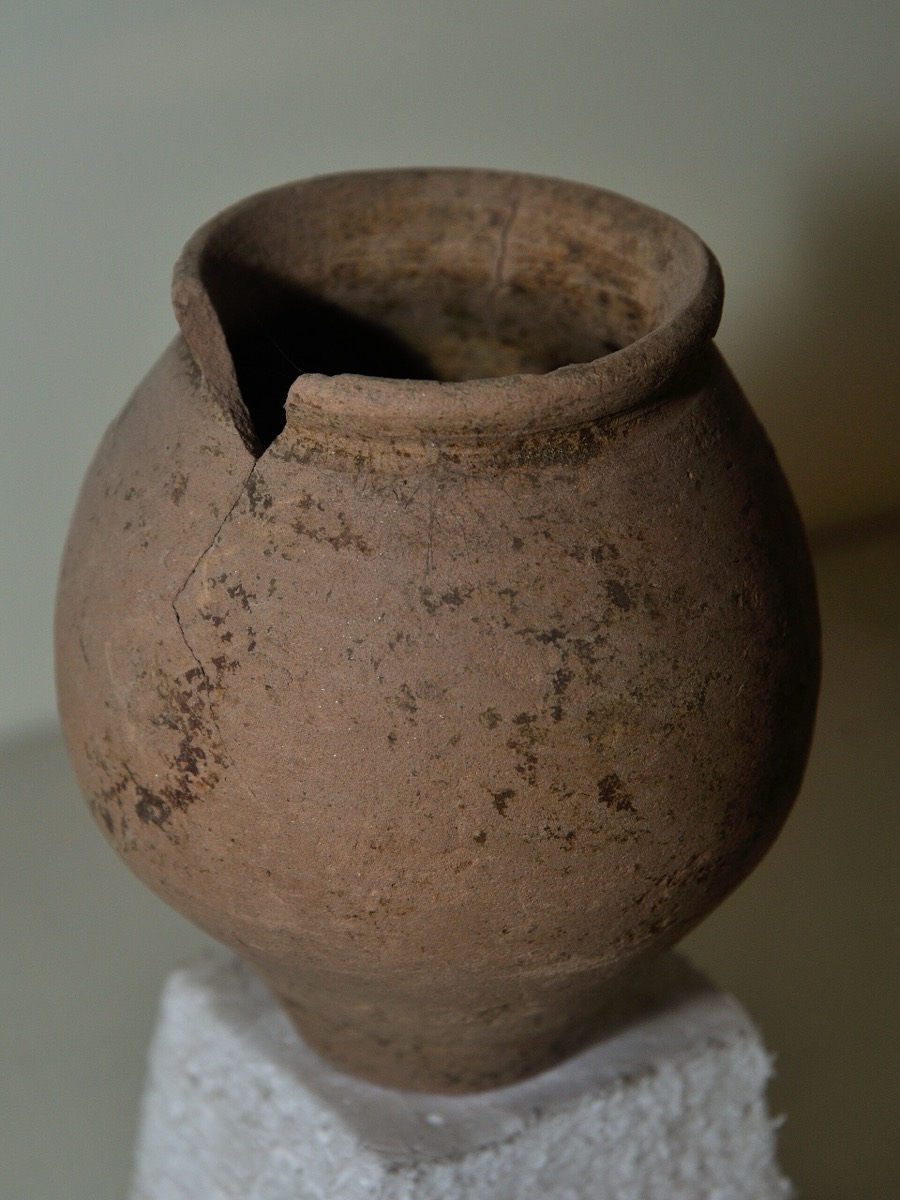 What can the walls of an ancient pot teach us about meals in the Indus cities?archaeology
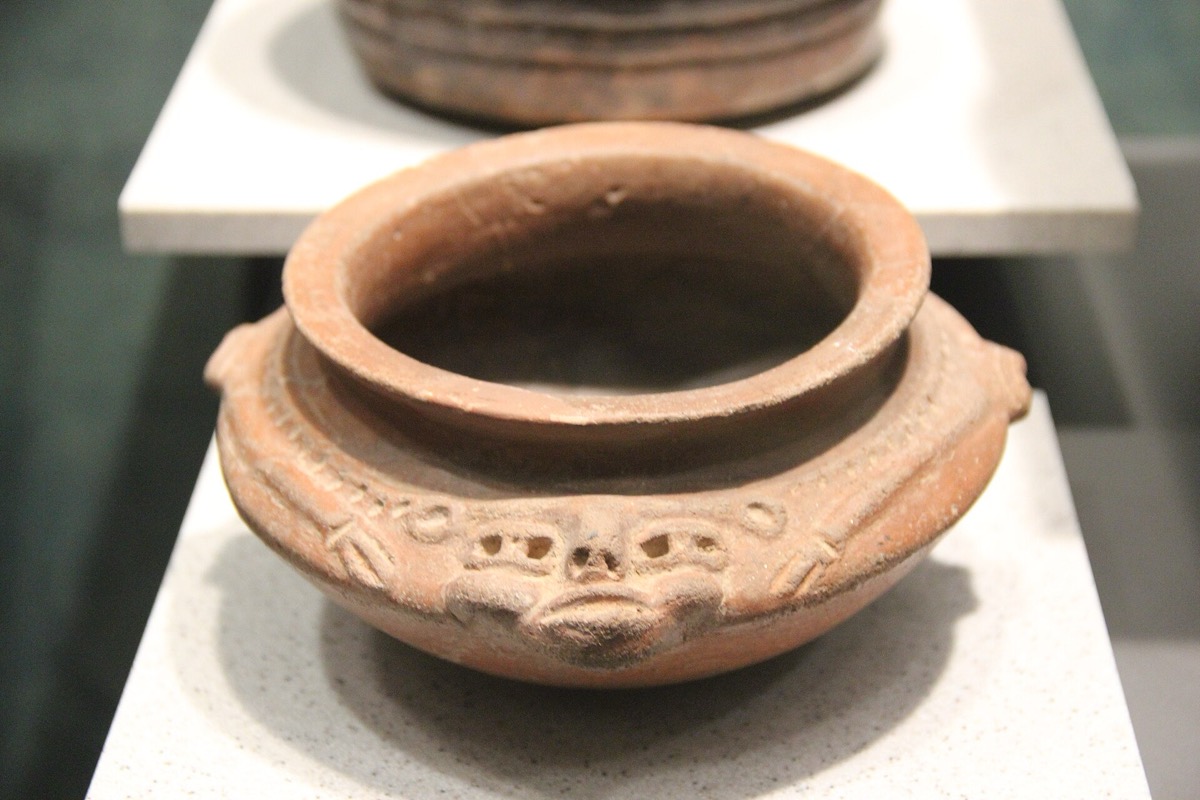 Could only the Maya nobility enjoy cacao?archaeology