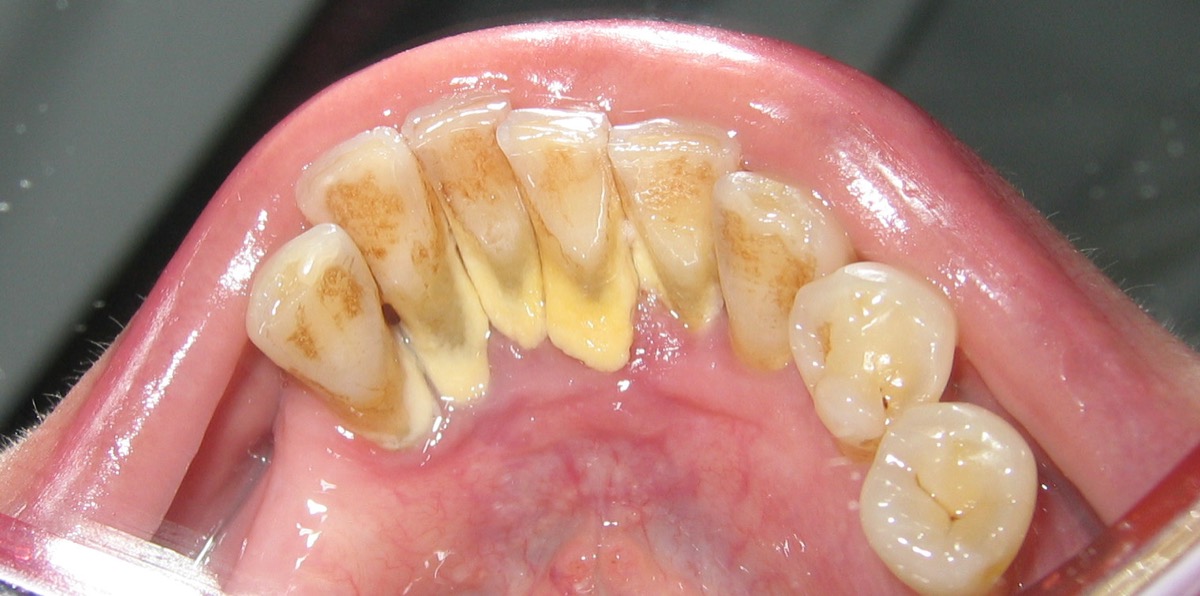
Calculus on ancient teeth sometimes preserves from various organisms, and it is tempting to see a plant or animal sequence there and conclude it was in the meal. An examination of ancient and simulated data showed why that is risky. What can go wrong?
Several things at once. Most of the material in calculus comes from , are incomplete, and modern material can an old sample. Related species also share similar DNA sequences. Together these are the reasons every identification needs validating before anyone tells a story about an ancient diet.
Calculus is a useful archive, and it is not a sealed capsule of everything a person ate. Much of the material comes from the inhabitants of the mouth itself.
Identification by DNA works by comparison with known sequences. When the reference libraries are thin, or when related species closely resemble one another, an apparently precise answer can be wrong.
The authors showed the problems using data where they knew in advance what had gone in, as well as using genuine ancient calculus. A simulation of that kind is the only place where a method’s error rate can be observed against a known truth.
The conclusion is not to abandon the tool but to demand validation: contamination checks, comparison with other archaeological finds, and caution about how precisely a species is named.
wat. A DNA sequence in an ancient tooth is no automatic proof that a given organism was part of the last meal.
wat wat
A fascinating molecular find can create a false story if a species is identified wrongly or contamination is ignored.
How do we know?
The authors examined both archaeological calculus samples and simulated data, and compared methods for identifying organisms from DNA sequences.
What is still unknown
This is a methodological warning, not proof that calculus teaches nothing. Combining independent tests can strengthen an identification.
Learn something?
Where to next
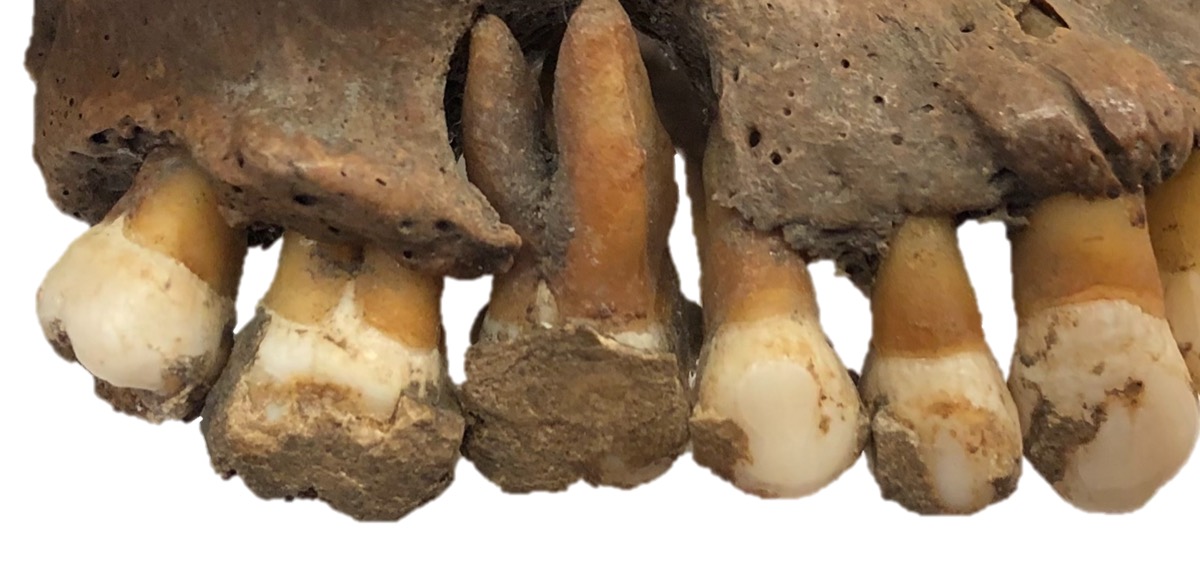 What did a meal from the past leave between the teeth?archaeology
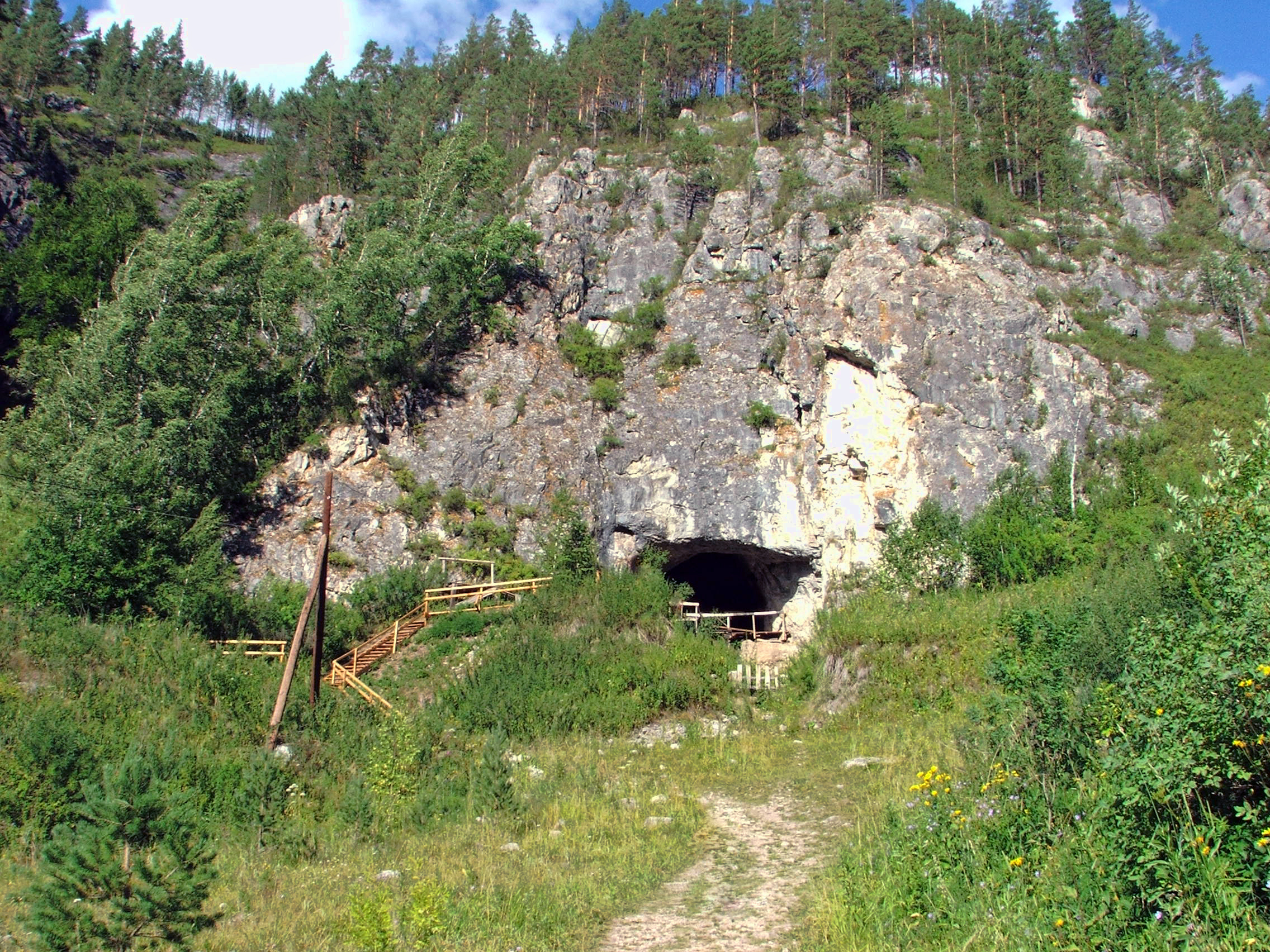 Can you tell who lived in a cave without finding a single bone there?ancient DNA
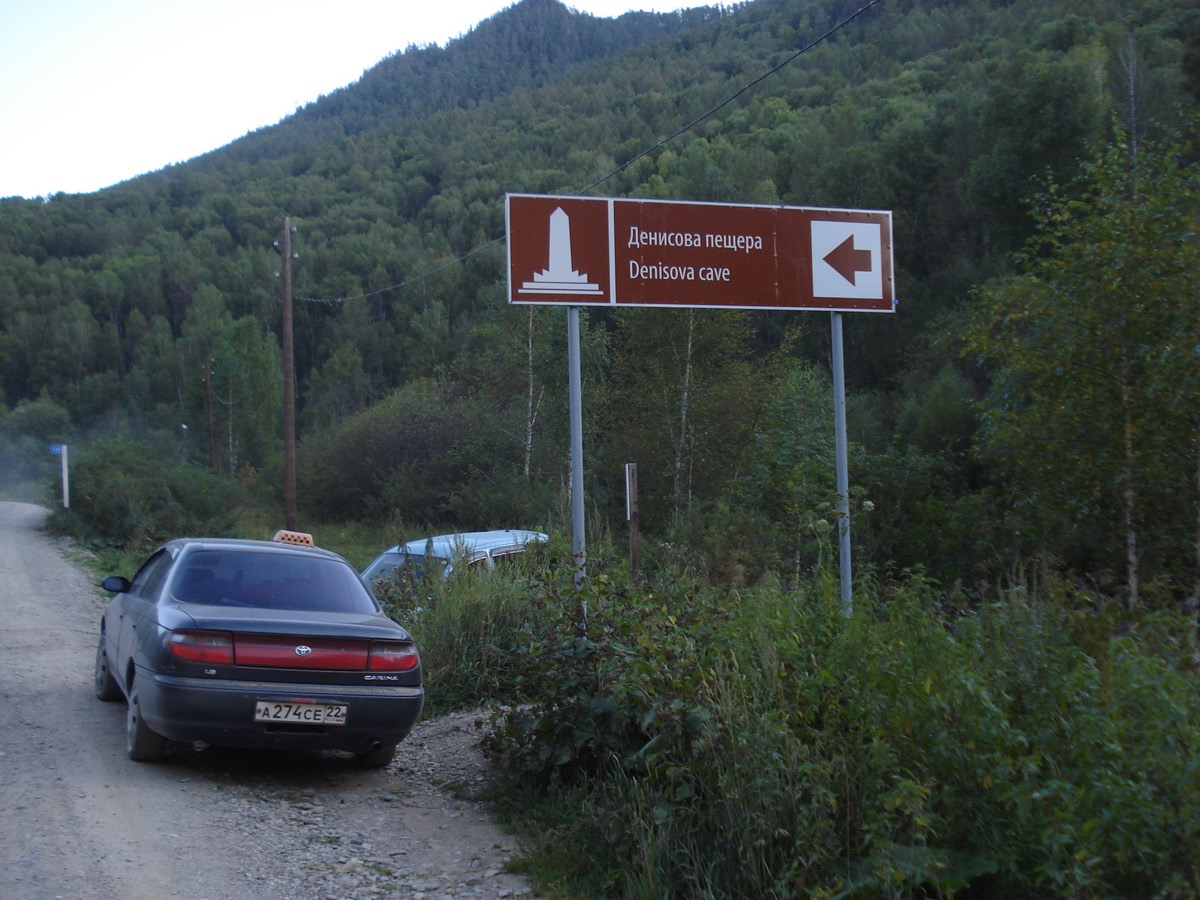 How did one finger bone reveal a branch of humanity nobody knew?ancient DNA