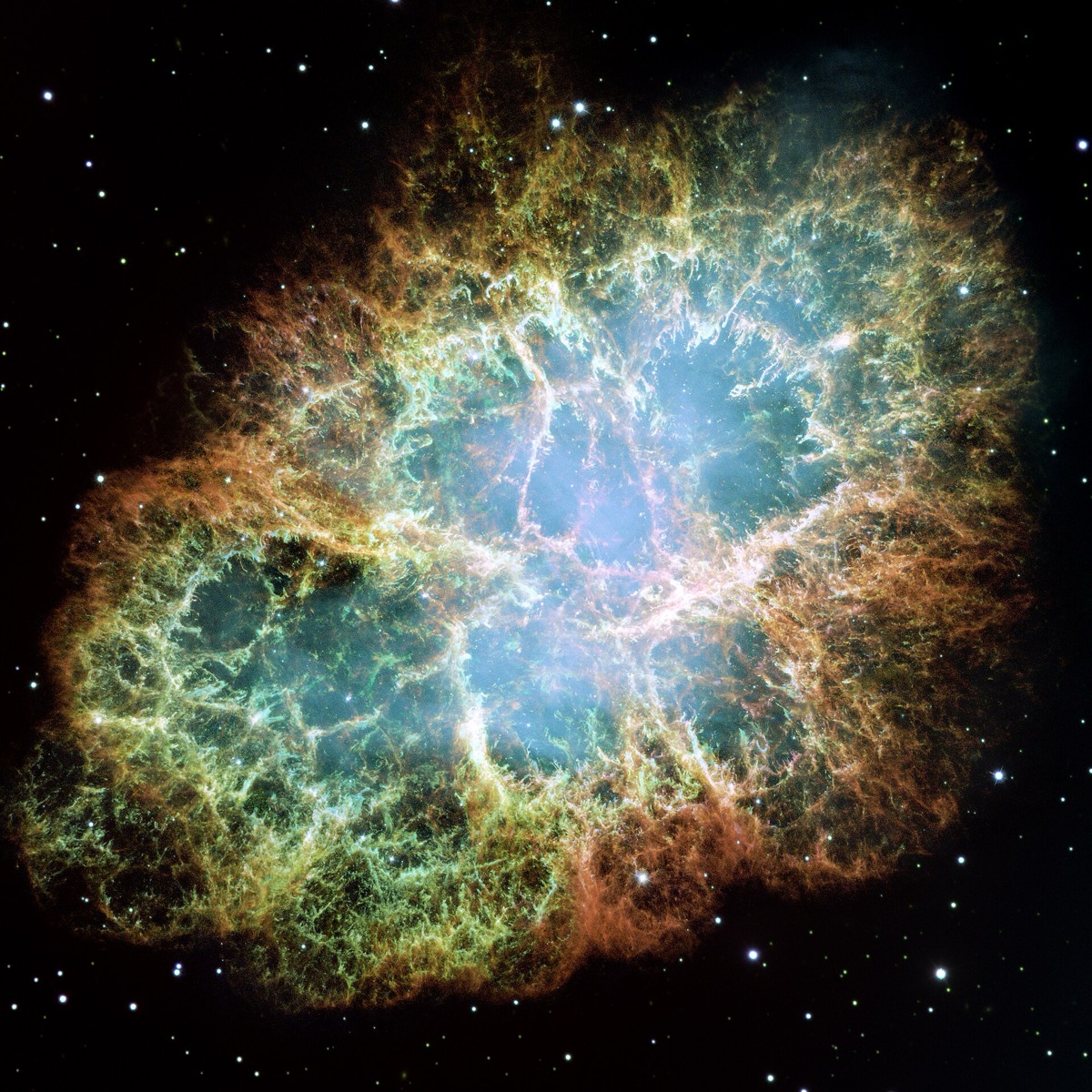
In 1054 observers in China recorded a "" that appeared in the sky and stayed bright enough to be seen in daylight for weeks. A record like that reads like a legend, and there is nobody left to ask what they saw. So how do you check it?
In the twentieth century astronomers noticed an expanding nebula at that same position, the one now called . Measure how fast it is expanding, run the motion backwards, and you land on roughly that year. At its center sits a spinning , the remains of a core that collapsed. So the guest star was a , and this is one of the rare cases where a historical record and a modern observation meet over the same object.
The combination here is a rare one: a historical document on one side, and on the other an object anyone can measure today. In 1054 observers in China wrote down a guest star that appeared in the sky and was bright enough to see in daylight, for weeks.
The link came in the twentieth century, when it turned out that an expanding nebula sits at roughly that position. The decisive test is one of motion: compare photographs from different decades, measure the expansion rate, and calculate back to when all that material was concentrated at a point. The calculation lands on about that year.
At the center of the nebula sits a spinning neutron star, the remains of the collapsed core. It fires beams of radiation at a startlingly precise rate and keeps pumping energy into the cloud around it, which is why the nebula still glows rather than having faded.
The whole scientific value rests on the date. Almost nothing in the sky comes with a start time, and here one does, which turns the nebula into a laboratory for models of explosion and expansion. The fair qualification: the historical record is descriptive and imprecise about position, and the match leans on combining sources and reconstructing the expansion rather than on a direct measurement.
wat. Measuring how fast the nebula is expanding takes you back to exactly the year the guest star was written down, 1054.
wat wat
It hands astronomers an event with a known start date, which turns the nebula into a laboratory for testing models of how a supernova explodes and spreads.
How do we know?
Photographs from different decades give the expansion rate of the nebula. Running that motion backwards yields a date that agrees with the historical records.
What is still unknown
The historical record is descriptive and imprecise about position. The match rests on combining several sources and on reconstructing the expansion, not on a direct measurement.
Learn something?
Where to next
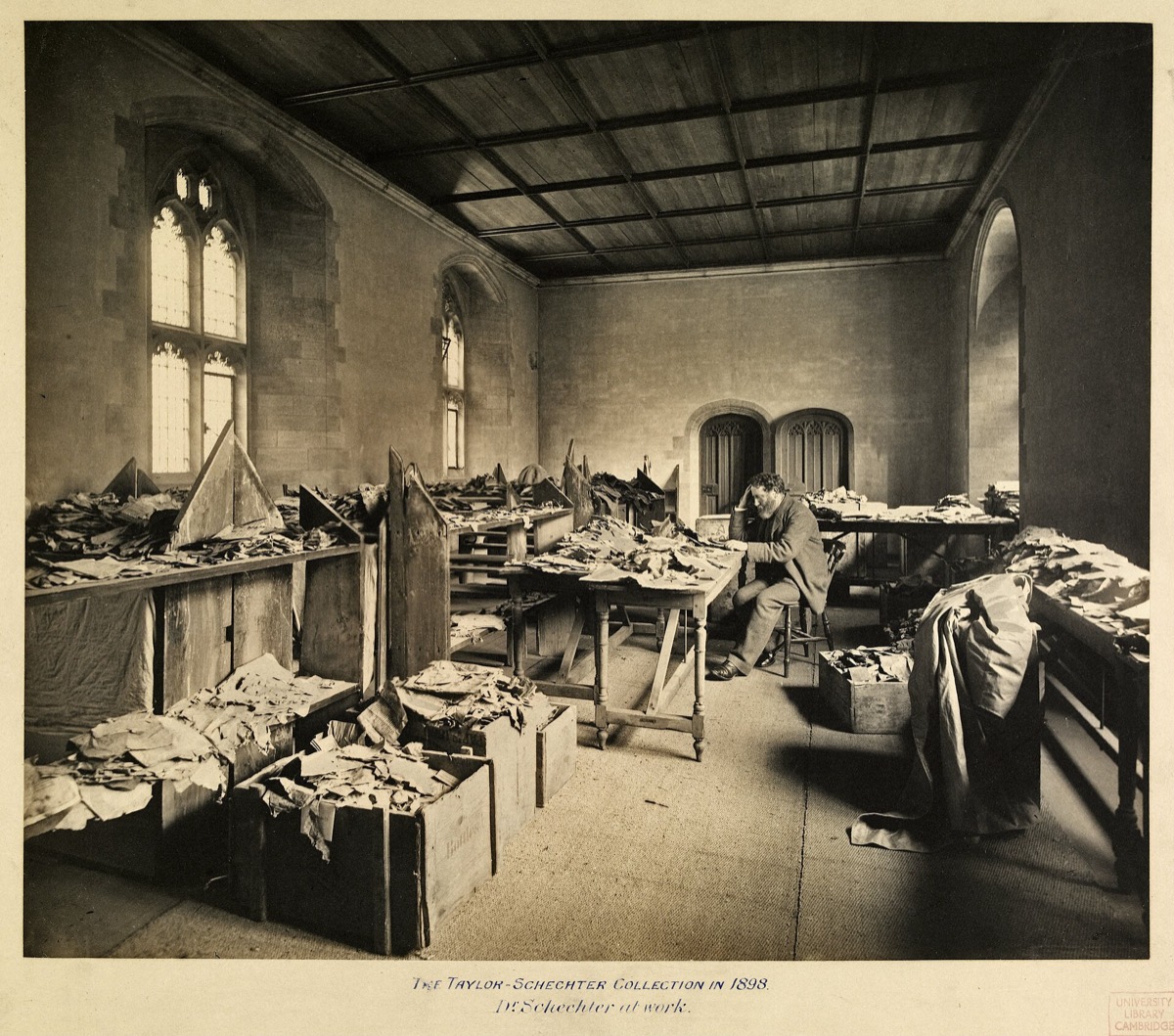 How do scraps of paper from a synagogue reveal whole lives?history
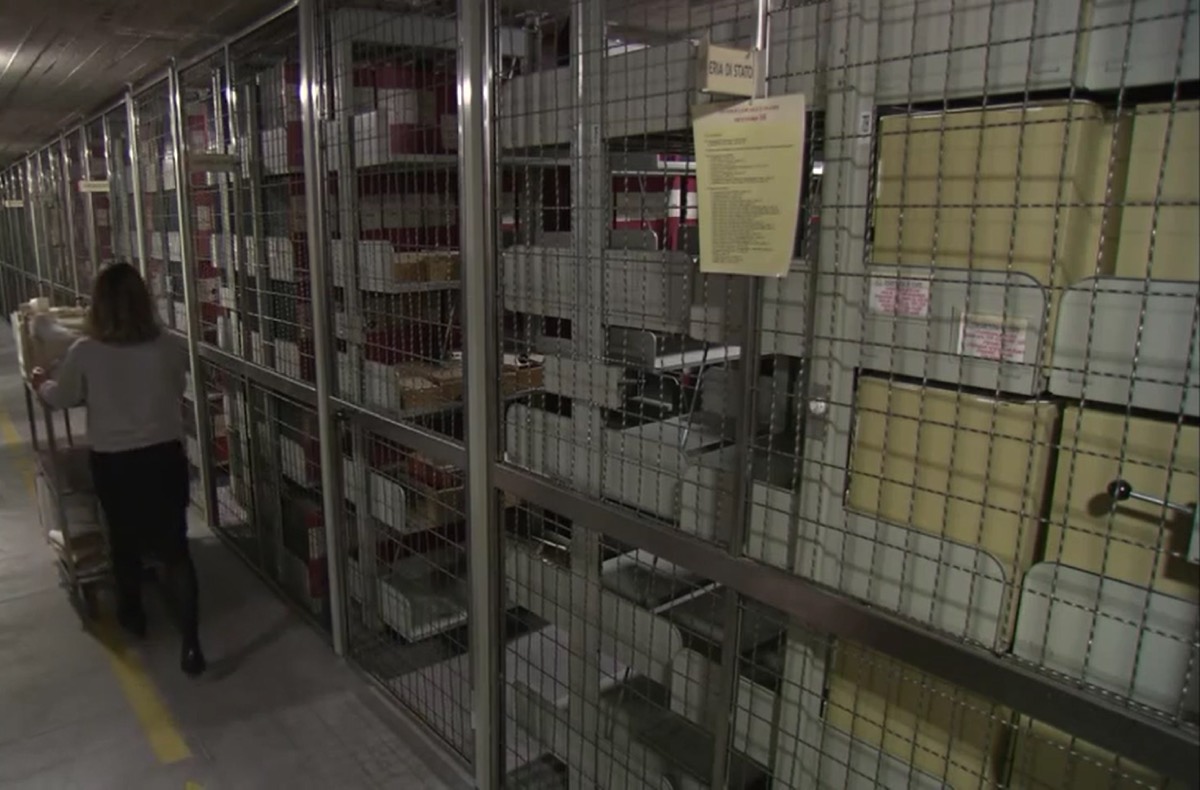 What was actually secret about the Vatican Secret Archives?history
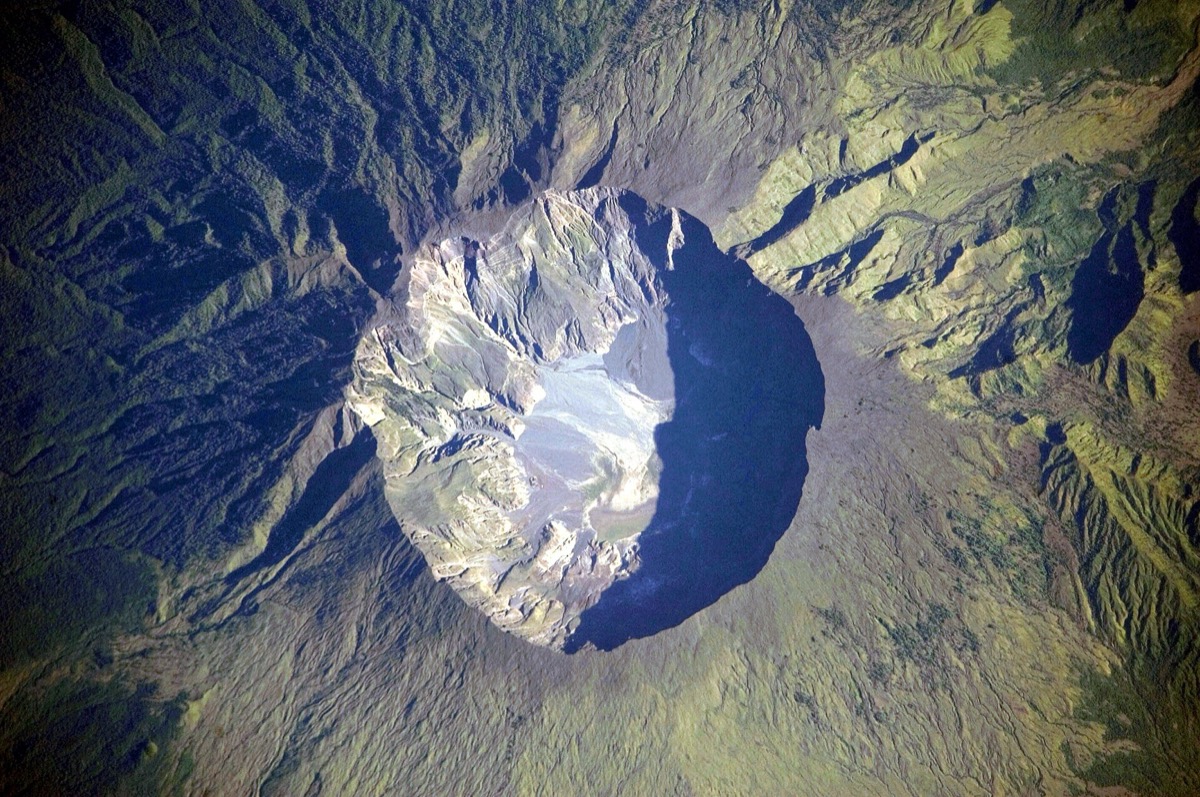 Why was the whole decade around the year without a summer so cold?history