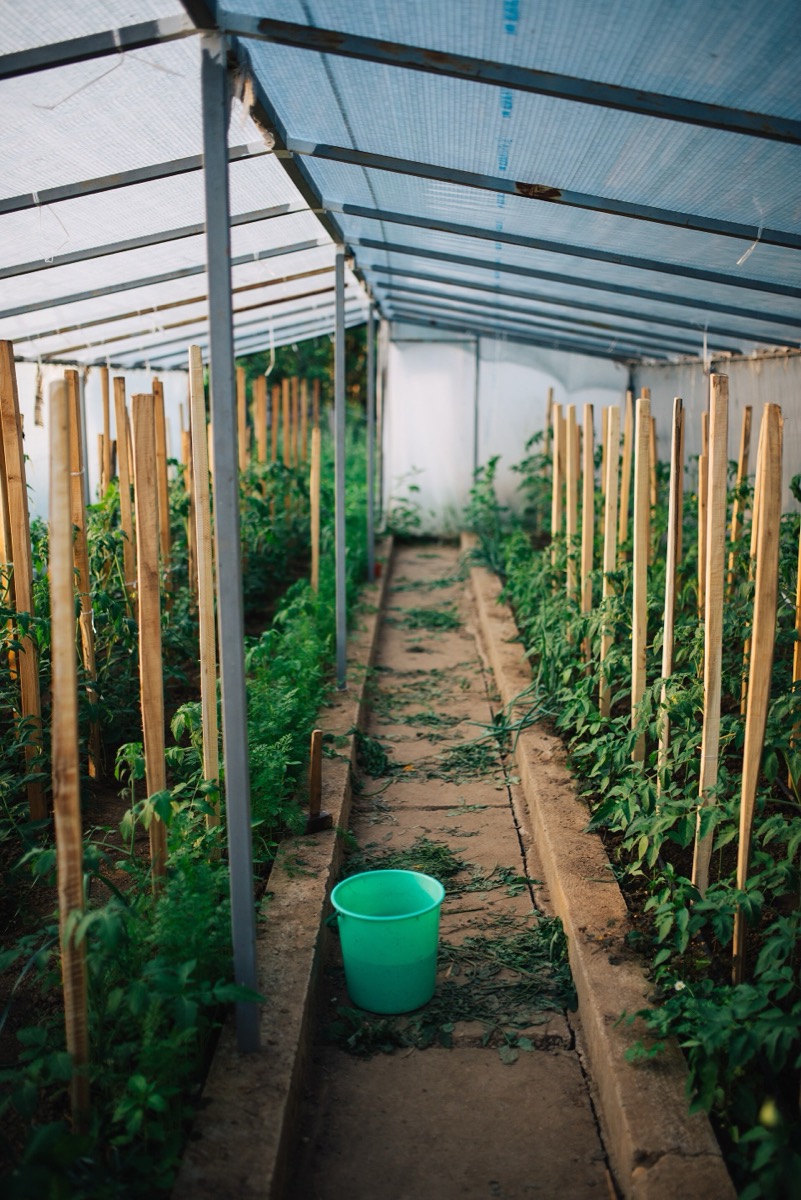
A stressed plant changes in ways anyone can see: color, smell, shape. Sound has never been on the list, partly because vibration inside a stem is not the same thing as a noise traveling through air. Khait and colleagues put microphones around tomato and tobacco plants, in an acoustic chamber and then in a greenhouse, and logged the plants’ physiology at the same time. Is there anything to record?
Airborne ultrasound, and it carries information. Both species emitted sounds that microphones picked up from a distance, in the chamber and in a working greenhouse. trained on the recordings alone could identify the condition of a plant, including how dehydrated it was and whether it had been injured. The sounds are therefore not just a byproduct; they are classifiable.
Plants under stress change in several visible registers. The color shifts, the volatile chemistry shifts, the shape shifts, and all of that has been documented for decades. Airborne sound was not on the list at all.
The gap has a reason behind it. Earlier work recorded vibration inside a drying stem with a sensor touching the plant. That is a different claim from a sound which leaves the plant, crosses open air, and can still be picked up.
Khait and colleagues recorded ultrasonic emissions from tomato and tobacco plants, first in an acoustic chamber and then in a greenhouse, while monitoring the plants’ physiological parameters alongside. Both settings produced recordable .
Then they trained machine learning models on the audio by itself. The models identified the condition of the plant, including and whether it had been injured, from the sounds and nothing else. That is the part with consequences: the emissions are informative, which means other organisms may be using them already, and a greenhouse certainly could.
wat. Thirsty and injured plants are noisy in a register nobody can hear, and a model can tell which is which from the noise alone.
wat wat
A greenhouse that can hear which rows are drying out before anything looks wrong is a practical instrument, and a field of plants that other organisms might listen to is a biological question.
How do we know?
Khait and colleagues recorded ultrasonic emissions from tomato and tobacco plants in an acoustic chamber and in a greenhouse, tracked physiological state in parallel, and trained models to classify condition from sound alone.
What is still unknown
Two species, and the classification is a correlation between sound and state. The work does not show that anything in nature acts on these sounds, only that the information is there to act on.
Learn something?
Where to next
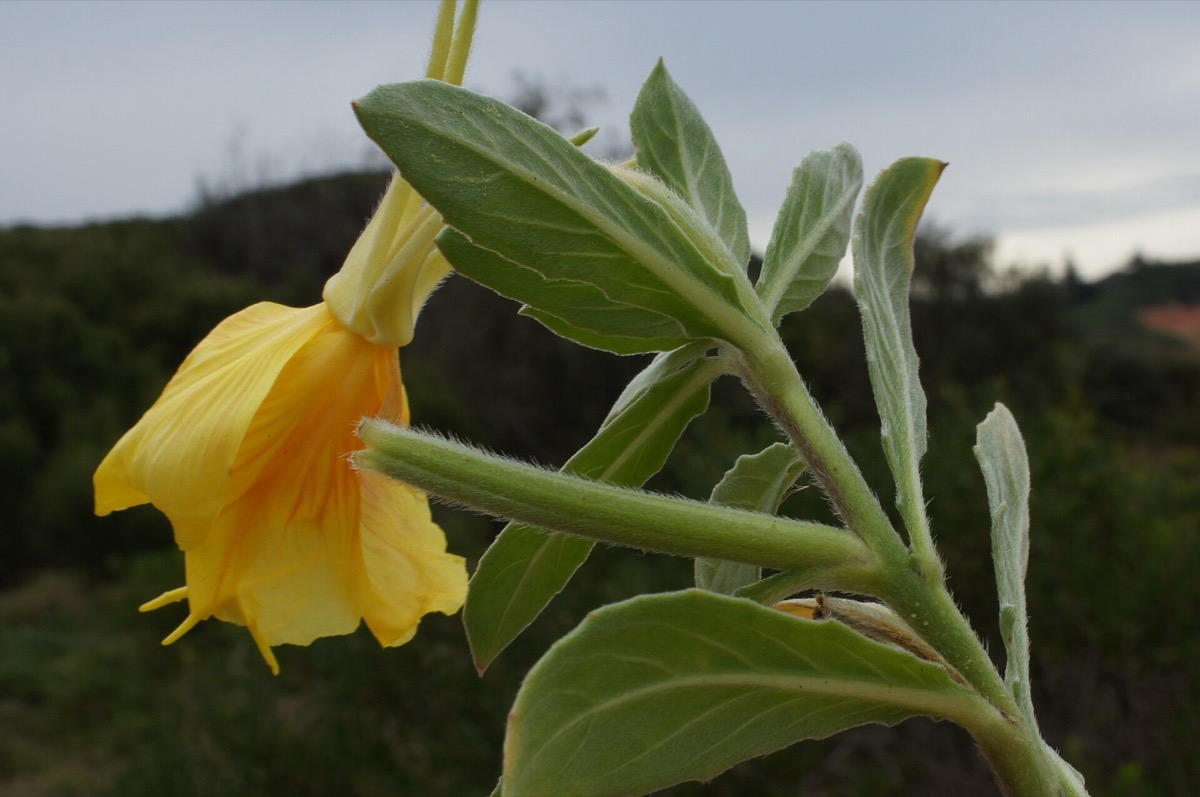 Can a flower hear a bee coming?sound
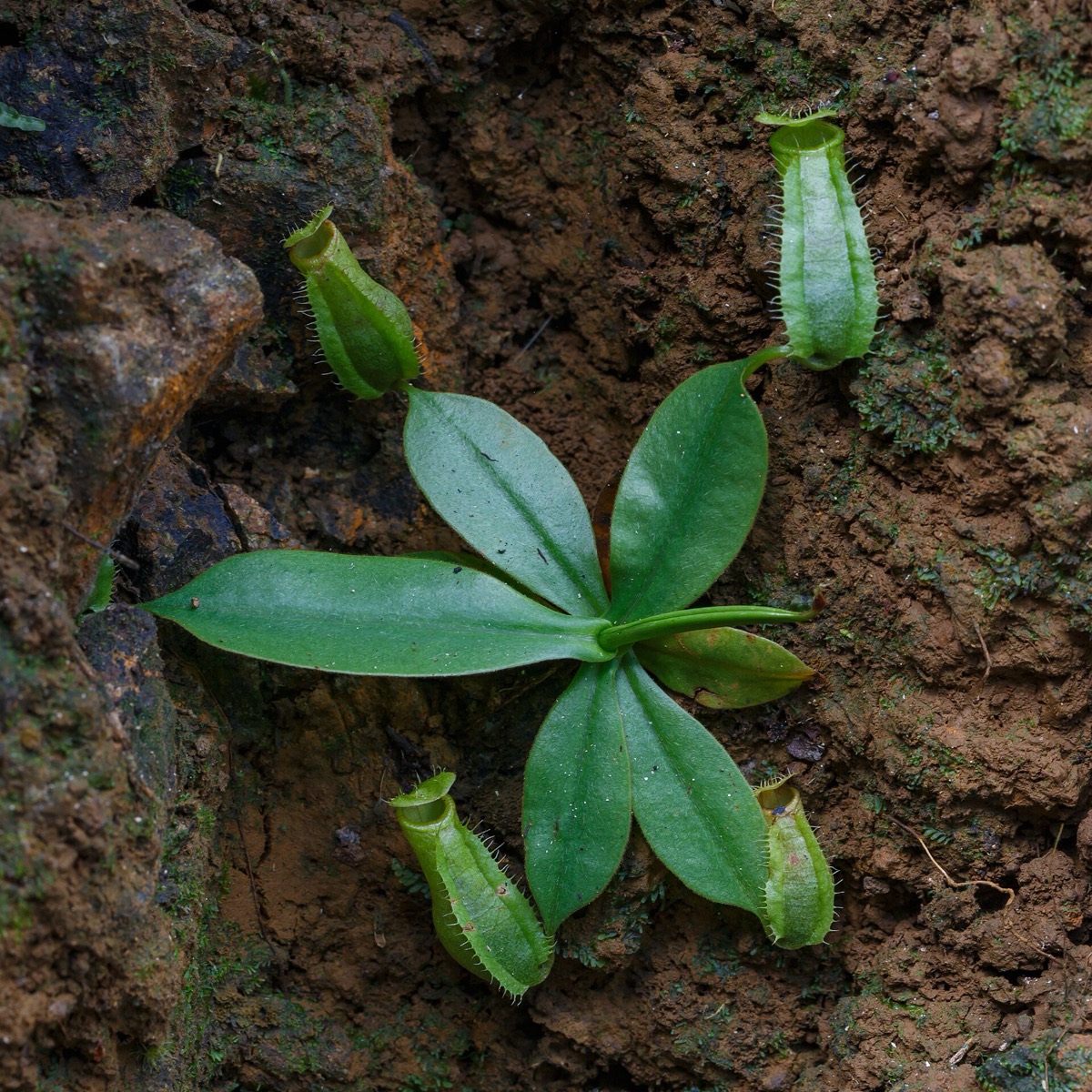 Where exactly does an ant lose its footing on a pitcher plant?plants
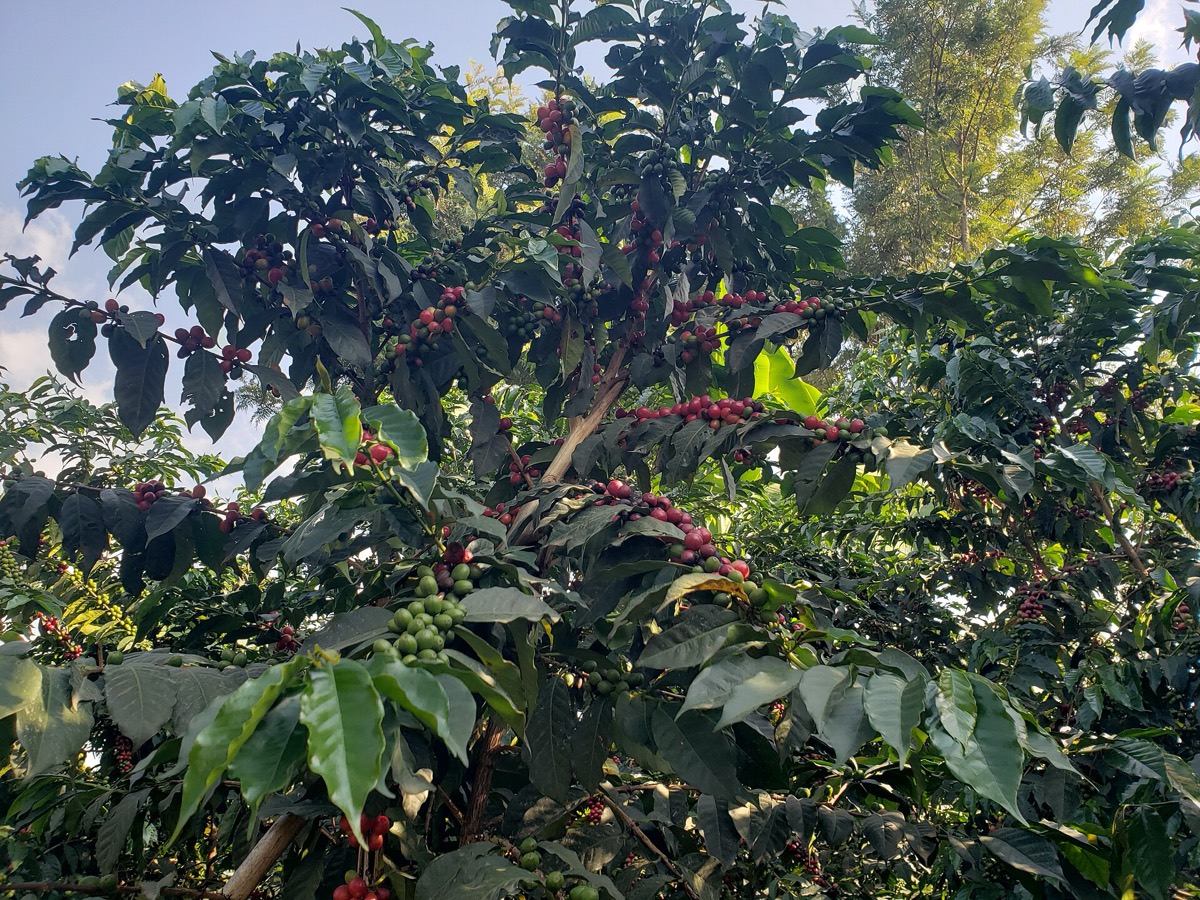 Does the altitude of a coffee farm really reach the cup?agriculture