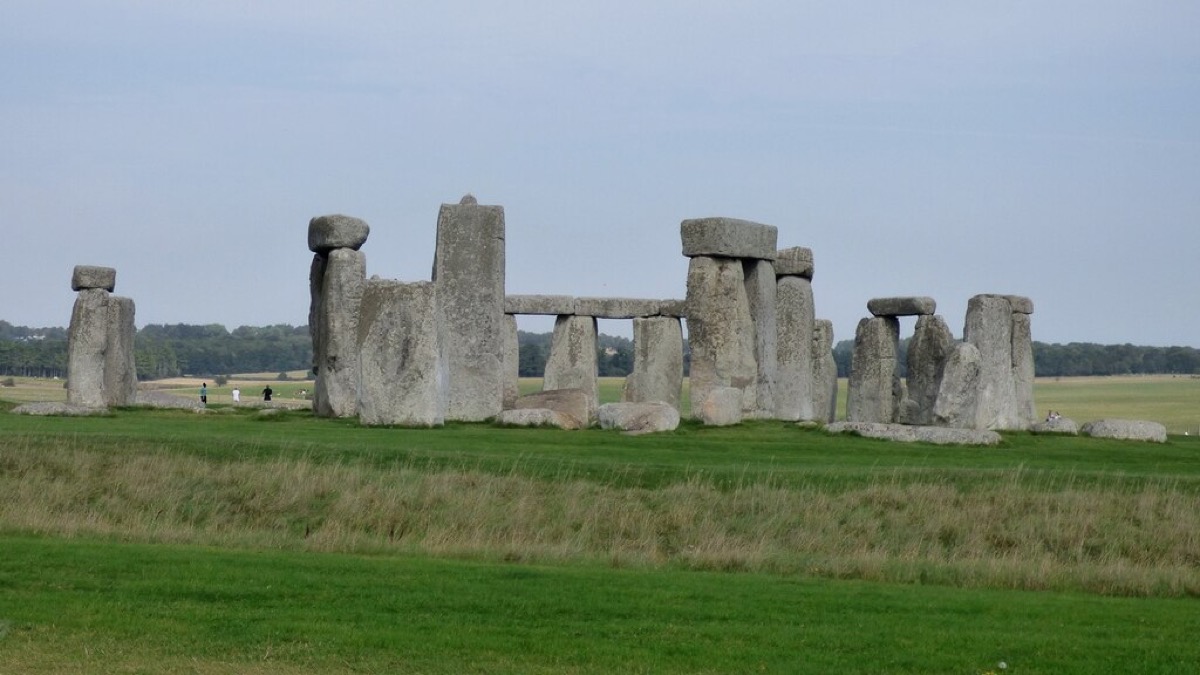
Most of at Stonehenge came from the Preseli hills in Wales, and at the center was taken to be Welsh as well. To check, researchers took a , the chemistry and the age of the mineral grains inside it, and looked for a matching source. Where did they lead?
To in north-east Scotland, more than 700 kilometers away, with a reported confidence of ninety-five percent. The other bluestones came from Preseli, about 225 kilometers off, so this is a distance no other stone from any monument of the period is known to have traveled. What it demands is not only hauling power but organization.
Stonehenge is built from two kinds of stone. The large ones came from about thirty kilometers away, while the bluestones, the smaller ones, came from the Preseli hills in Wales, some 225 kilometers off. That alone was considered a puzzle.
The Altar Stone, lying at the center of the monument, was taken for years to be Welsh too. The analysis done here asks a different question: not what it looks like, but what the chemistry and the age of the mineral grains inside it are.
The result pointed at the Orcadian Basin in north-east Scotland, more than seven hundred kilometers away, with a confidence of ninety-five percent. That is a distance no other stone from any monument of the period is known to have traveled.
What this demands is not only hauling power but organization: knowing the stone exists, getting to it, and coordinating a move over months. Which is to say networks of contact between distant communities, far beyond what had been supposed. What the analysis does not say is how the stone arrived, by land or by sea, and why that one. The route and the motive are entirely open.
wat. No stone from any other monument of the period is known to have been moved so far.
wat wat
No stone from any other monument of the period is known to have been moved so far, which implies networks of contact and coordination over much longer distances than had been supposed.
How do we know?
The match was established by a geochemical fingerprint: the chemical composition and the ages of mineral grains in the stone, set against a library of known sandstone formations across Britain.
What is still unknown
The analysis identifies where the stone came from, not how it was moved or why. The route and the motive are entirely open questions.
Learn something?
Where to next
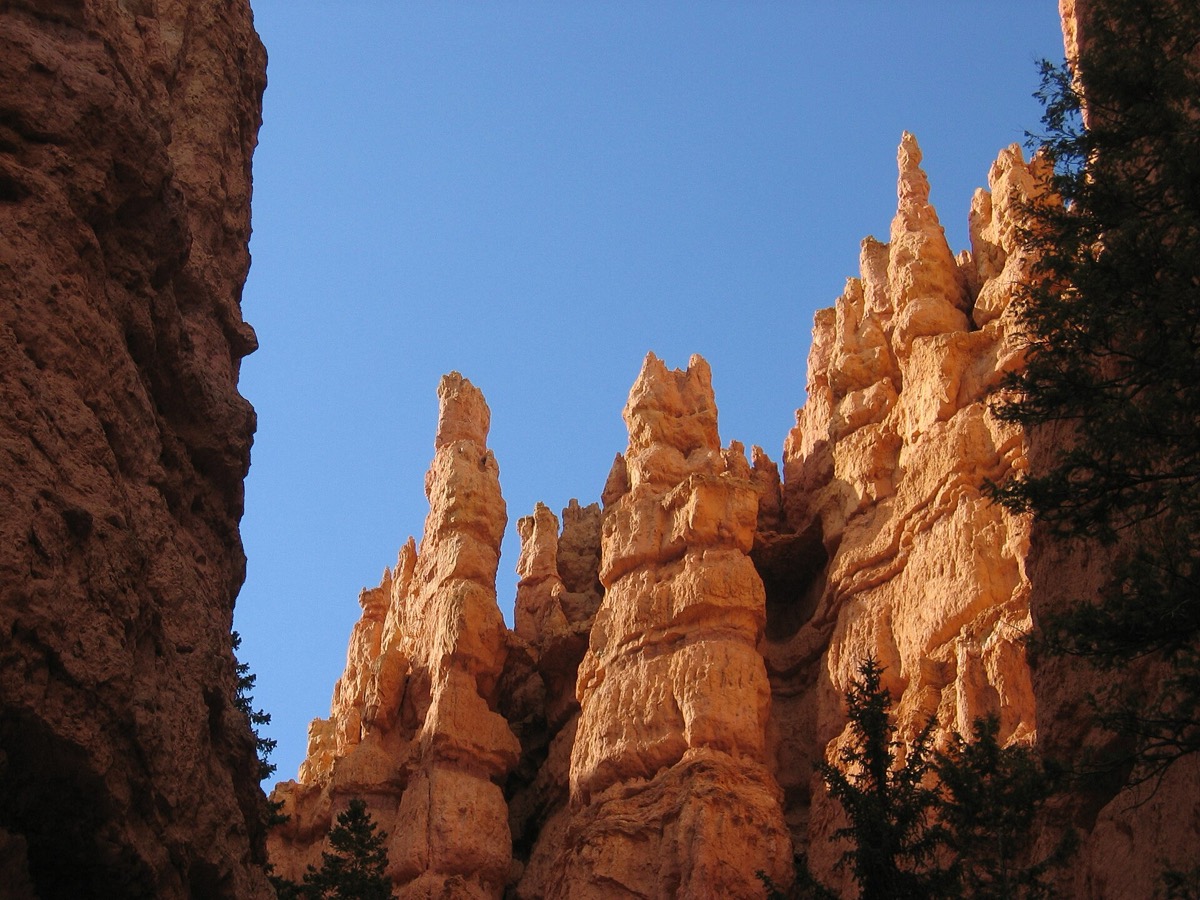 What carves a canyon into thousands of stone spires?geology
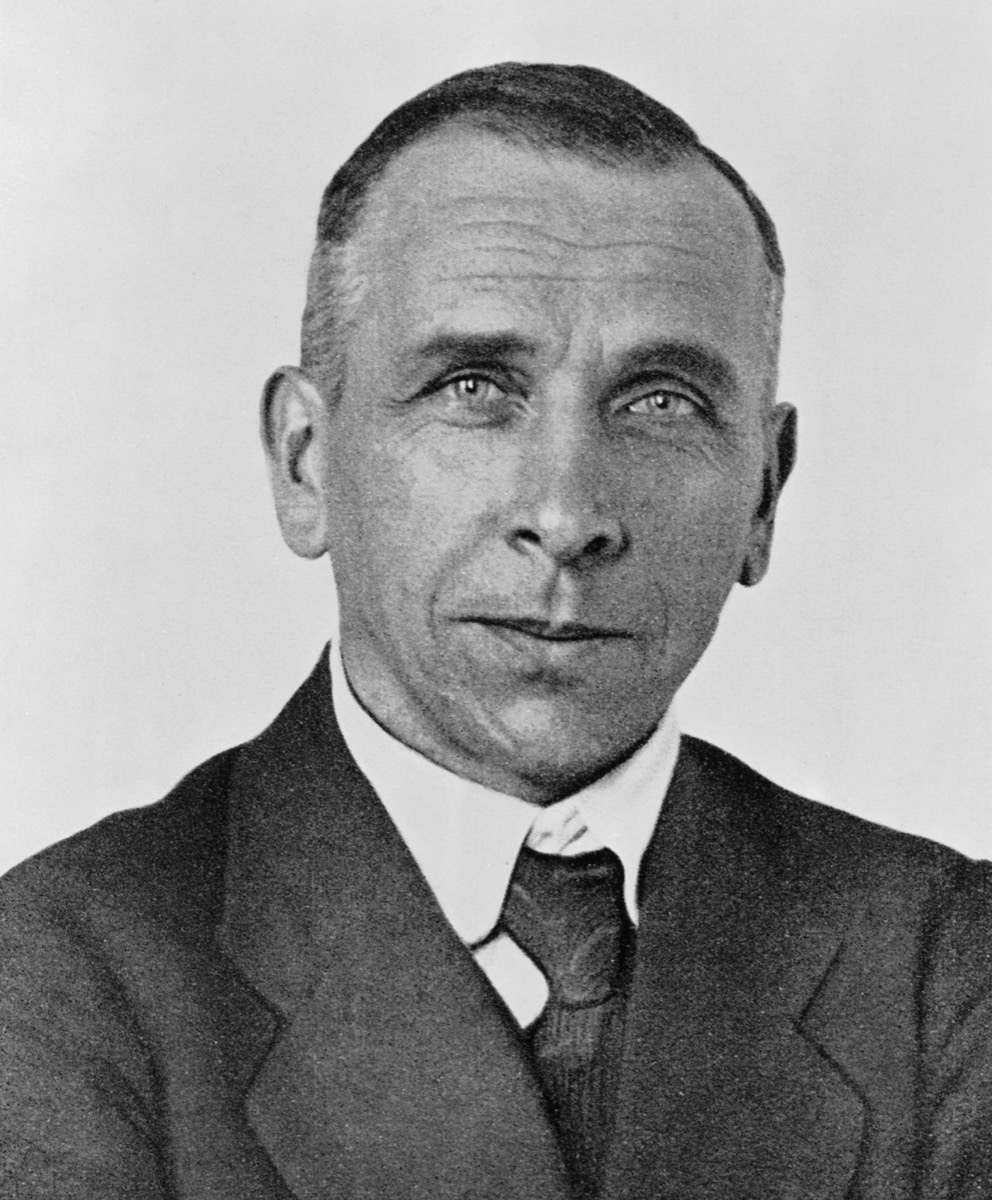 What did geologists do to the man who proposed continental drift?geology
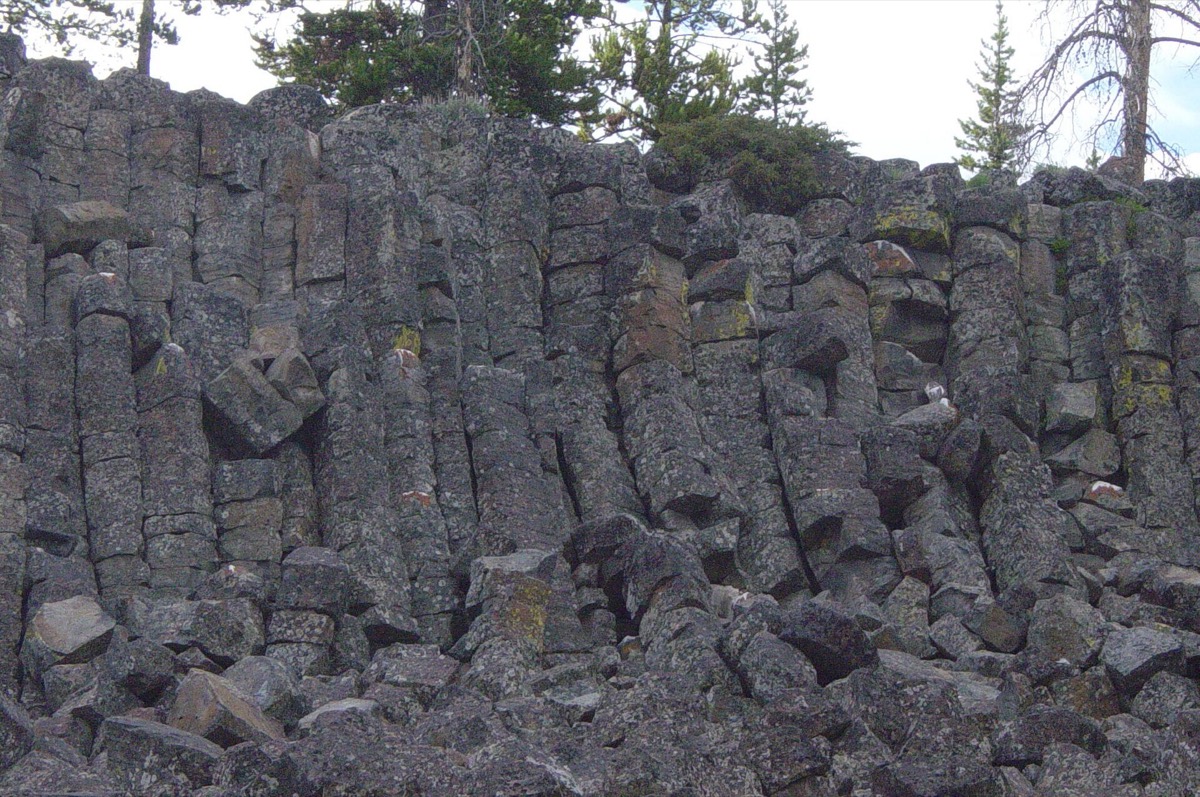 Why does cooling lava crack into columns?geology