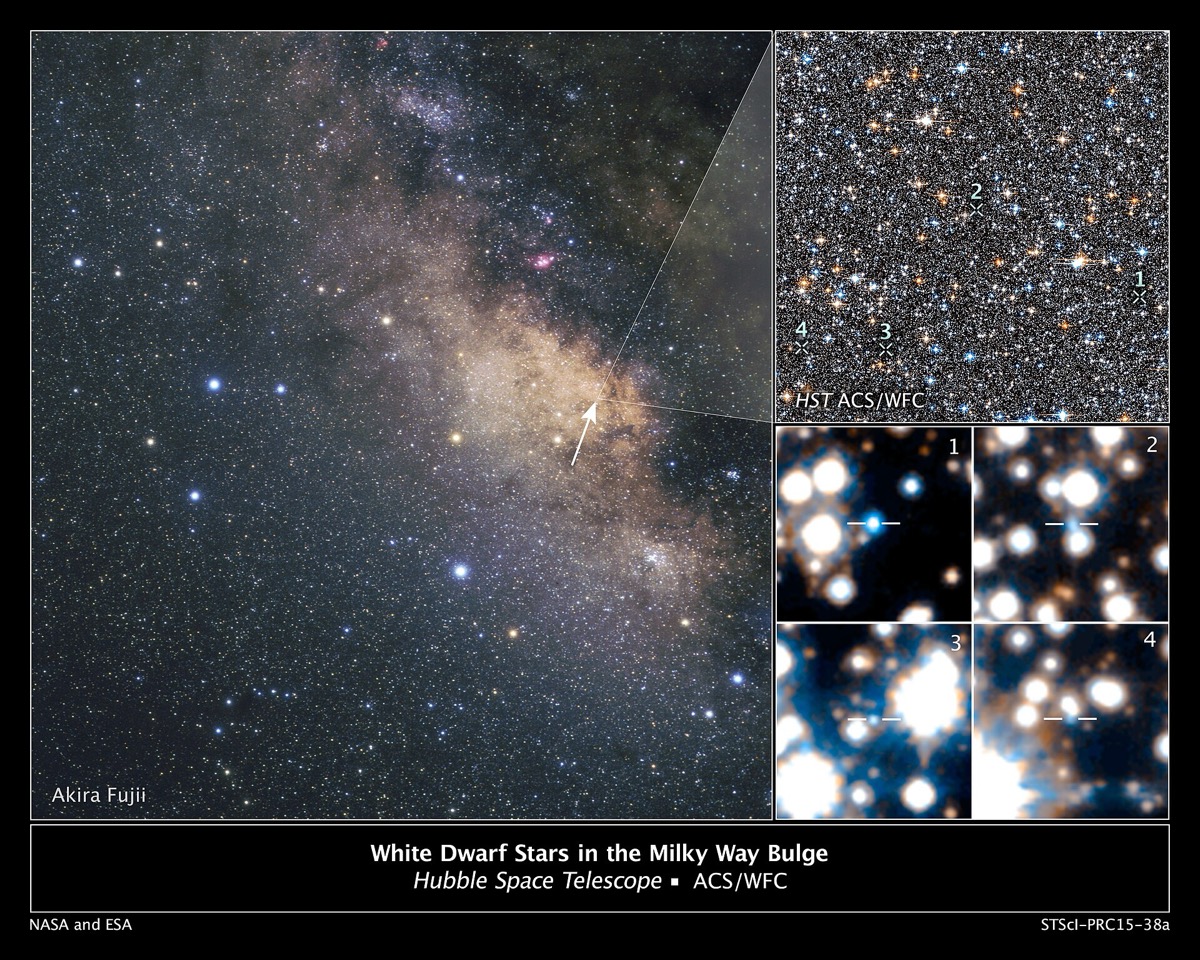
In 2020 a star in our galaxy brightened, faded, and wrapped itself in gas and dust. More than two years later the Webb telescope looked at what remained, in , the light our eyes cannot see, and measured the leftovers. Which event fits what it found?
A planet fell in, and the star had never swelled out to reach it. Webb put the surviving star at 0.29 times the brightness of the sun, which fits a cool star of about 0.7 solar masses that has not yet left the . The orbit therefore shrank until the planet spiraled in, pulled by tides. Warm dust near 720 kelvin still surrounded it.
A star that brightens suddenly can be doing any number of things. This one, flagged in 2020 as a , then surrounded itself with gas and dust, a combination that suits a destructive meeting with something much smaller than itself.
The faintness of the flare is the first argument. A merger of two stars would have released far more energy, and the small, red, slow brightening is what a swallowed planet should look like. That reading was already on the table, and what it needed was a look at the remains.
Webb provided it 830 days after the peak, when the flare had faded and the debris was all that was left. The spectra showed carbon monoxide in emission near 4.7 micrometers, hydrogen emission, and a possible signature of phosphine. Fitting dust models gave warm near 720 kelvin, read as material falling back onto the star, inside a cooler and far more massive cloud from the original ejection.
The decisive number was the star itself. Its luminosity came out at 0.29 times the sun, matching a cool star around 0.7 solar masses that has no business having left the main sequence yet. So the star did not grow into its planet; the planet’s orbit decayed through tidal interaction until it arrived. Nobody saw the planet go in, and the case is built on what the light and the dust left behind.
wat. The light left over from a swallowed planet can tell you whether the star swelled outward or the world fell inward.
wat wat
Falling into its own star is the expected end for many inner planets, Earth among them, and this is the closest anyone has looked at the aftermath of one.
How do we know?
JWST took near-infrared and mid-infrared spectra of the event 830 days after its light peaked, and dust models were fitted to the energy the remnant radiates at each wavelength.
What is still unknown
Nobody watched the planet go in, and its orbit and composition were never seen directly. Part of the chemistry, the possible phosphine included, is still presented as a candidate detection rather than a certainty.
Learn something?
Where to next
 Where did the carbon dioxide on Europa come from?Webb telescope
 How does a world that wanders alone hold on to clouds?Webb telescope
 On which planet does the year end before the day does?planets